

Category: Industry trends

Industry trends

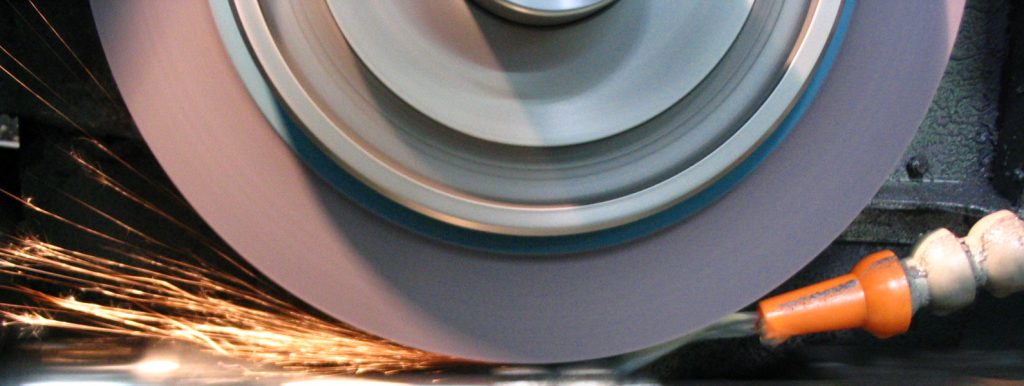
Grinding contact zone with coolant for discussing open-structure wheels on heat-sensitive materials
Open Structure Grinding Wheels for Heat-Sensitive Materials

Open Structure Grinding Wheels for Heat-Sensitive Materials In grinding, some materials respond badly to rubbing, loading, and concentrated heat. That is why open structure grinding wheels are often recommended when buyers need cooler cutting, better chip space, and more stable grinding behavior. Open structure is not just a marketing phrase. In practical wheel design, it […]

Industrial grinding machine context for explaining grinding wheel hardness and grade selection
Grinding Wheel Hardness vs Grade Explained: What Buyers Often Get Wrong

Grinding Wheel Hardness vs Grade Explained: What Buyers Often Get Wrong Buyers often ask whether grinding wheel hardness and grinding wheel grade mean the same thing. The confusion gets worse when abrasive hardness is mixed into the same conversation. In practical grinding-wheel selection, grade is the specification term commonly used to describe wheel hardness. In […]

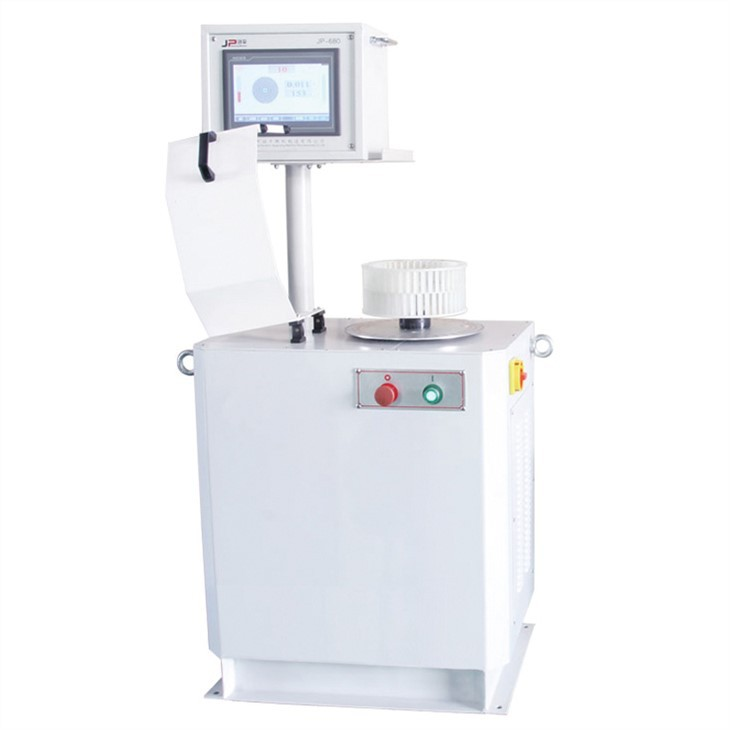
Grinding wheel dynamic balancing machine used to correct wheel assembly imbalance before production grinding
Grinding Wheel Balance and Vibration Control: Why It Matters

Grinding Wheel Balance and Vibration Control: Why It Matters Balance is easy to treat as a small setup detail, but in grinding it directly affects finish stability, wheel behavior, dressing frequency, and process confidence. A well-selected wheel can still perform poorly if the mounted assembly runs with avoidable vibration. For buyers and production engineers, the […]

Grinding wheel face condition before redressing, suitable for explaining dressing frequency decisions
Why Wheel Dressing Frequency Matters in Grinding Performance

Why Wheel Dressing Frequency Matters in Grinding Performance Many shops know that grinding wheels need dressing, but fewer treat dressing frequency as a core process-control variable. In real production, the interval between dressing cycles affects how freely the wheel cuts, how much heat the process generates, and how stable the finish remains across the batch. […]

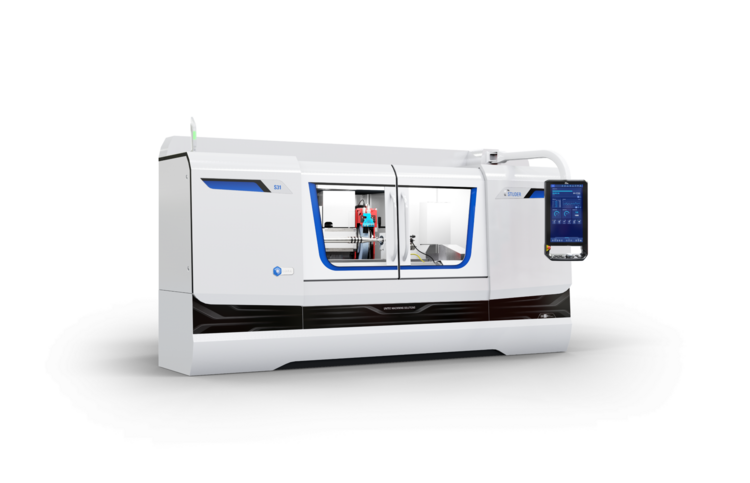
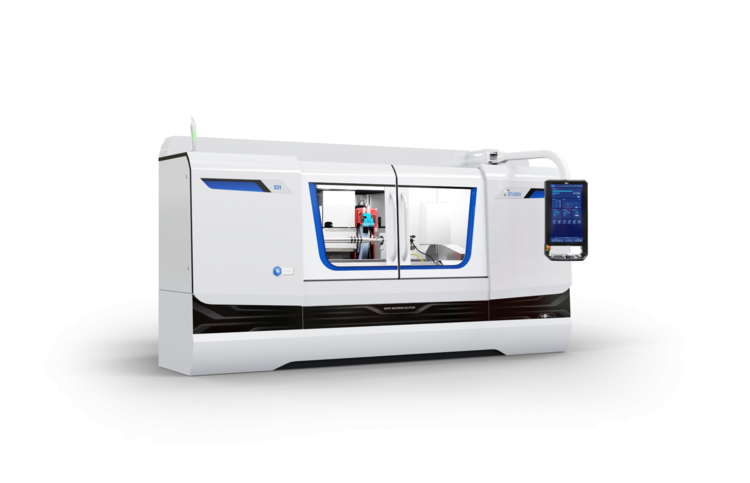
Cylindrical grinding machine context for bearing steel shaft and ring grinding applications
Grinding Wheel Choices for Bearing Steel: Conventional Alumina or CBN?

Grinding Wheel Choices for Bearing Steel: Conventional Alumina or CBN? When buyers compare grinding wheel choices for bearing steel, the best answer is rarely a single abrasive name. Bearing components demand a balance of dimensional accuracy, form retention, surface integrity, and stable batch production. For many applications, conventional vitrified aluminum oxide wheels remain a sound […]

Hardened steel shaft on a cylindrical grinding machine in an industrial workshop
Best Grinding Wheel for Hardened Steel: Conventional Alumina or CBN?

Best Grinding Wheel for Hardened Steel: Conventional Alumina or CBN? When buyers ask for the best grinding wheel for hardened steel, the right answer is rarely a single product name. Hardened steel can demand very different wheel behavior depending on hardness level, tolerance pressure, machine rigidity, batch size, and burn risk. In many jobs, a […]

Vitrified bond grinding wheel product close-up for precision grinding comparison
Vitrified vs Resin Bond Grinding Wheels: What Is the Difference?

Vitrified vs Resin Bond Grinding Wheels: What Is the Difference? Buyers often ask whether vitrified bond or resin bond grinding wheels are better. The real answer is that they are not “better” or “worse” in absolute terms—they are designed to behave differently in porosity, form holding, dressing response, and cutting feel. For industrial grinding, the […]