
Open Structure Grinding Wheels for Heat-Sensitive Materials
In grinding, some materials respond badly to rubbing, loading, and concentrated heat. That is why open structure grinding wheels are often recommended when buyers need cooler cutting, better chip space, and more stable grinding behavior.
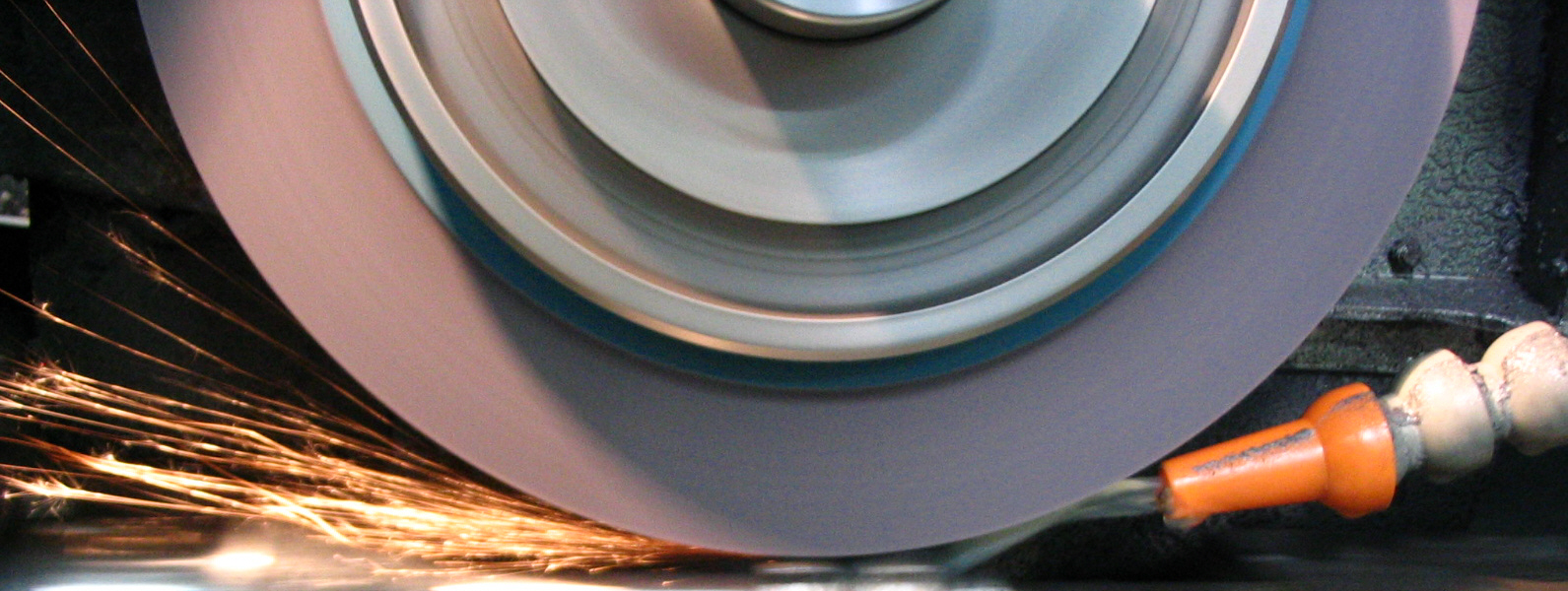
Open structure is not just a marketing phrase. In practical wheel design, it usually means more void space between abrasive grains, which can support chip accommodation and improve coolant access in the grinding zone.
What Is an Open Structure Grinding Wheel?
More chip space between abrasive grains
Compared with a denser wheel, an open-structure wheel gives chips more room to escape. That can reduce crowding at the wheel face and help the wheel cut more freely.
Why porosity matters in grinding
A more porous structure may help coolant reach the contact zone and may reduce heat buildup under suitable process conditions.
Open structure is not always the answer
Structure still needs to be matched with abrasive type, bond, grade, machine rigidity, dressing condition, and finish target.
Why Do Heat-Sensitive Materials Need This Logic?
Grinding burn risk
When the wheel rubs instead of cuts, thermal damage risk rises quickly. Buyers may see burn, discoloration, unstable finish, or more difficult process control.
Wheel loading and glazing risk
Some materials tend to smear or load the wheel face. Once the wheel becomes loaded, cutting action drops and heat usually climbs.
Pressure from finish and dimensional control
Many jobs require both stock removal and stable surface quality. Open structure can be part of that balance.
Which Materials Often Benefit from Open Structure Wheels?
Stainless steel and loading-prone materials
This is one of the strongest examples. For 304 stainless steel, Zhongxin's house recommendation emphasizes SA big-porosity and GC big-porosity routes because stainless steel tends to load and clog the wheel surface.
Alloy steels under thermal pressure
Even in steel grinding, open structure may help when burn tendency and heat concentration become process concerns.
Large-contact grinding applications
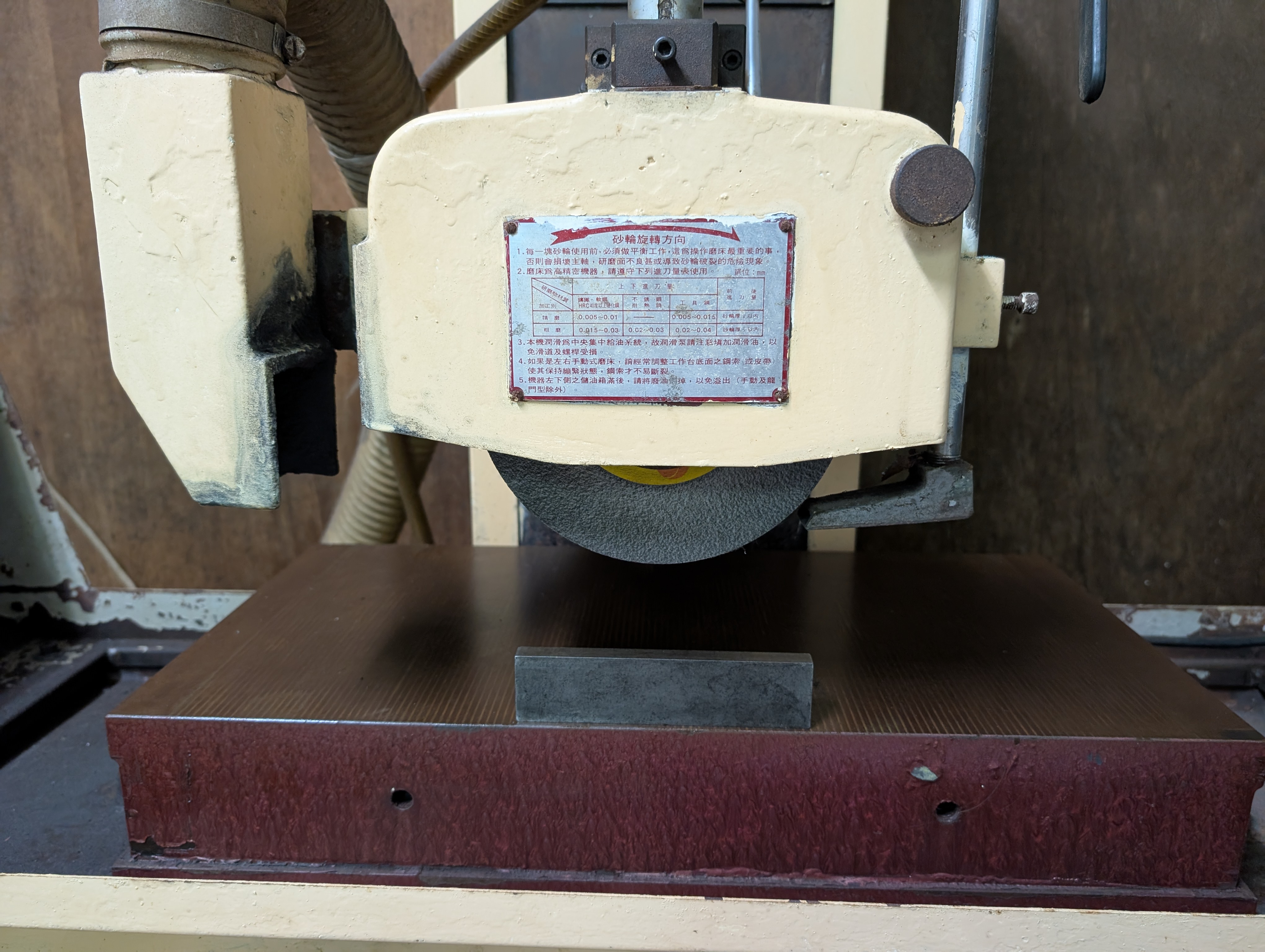
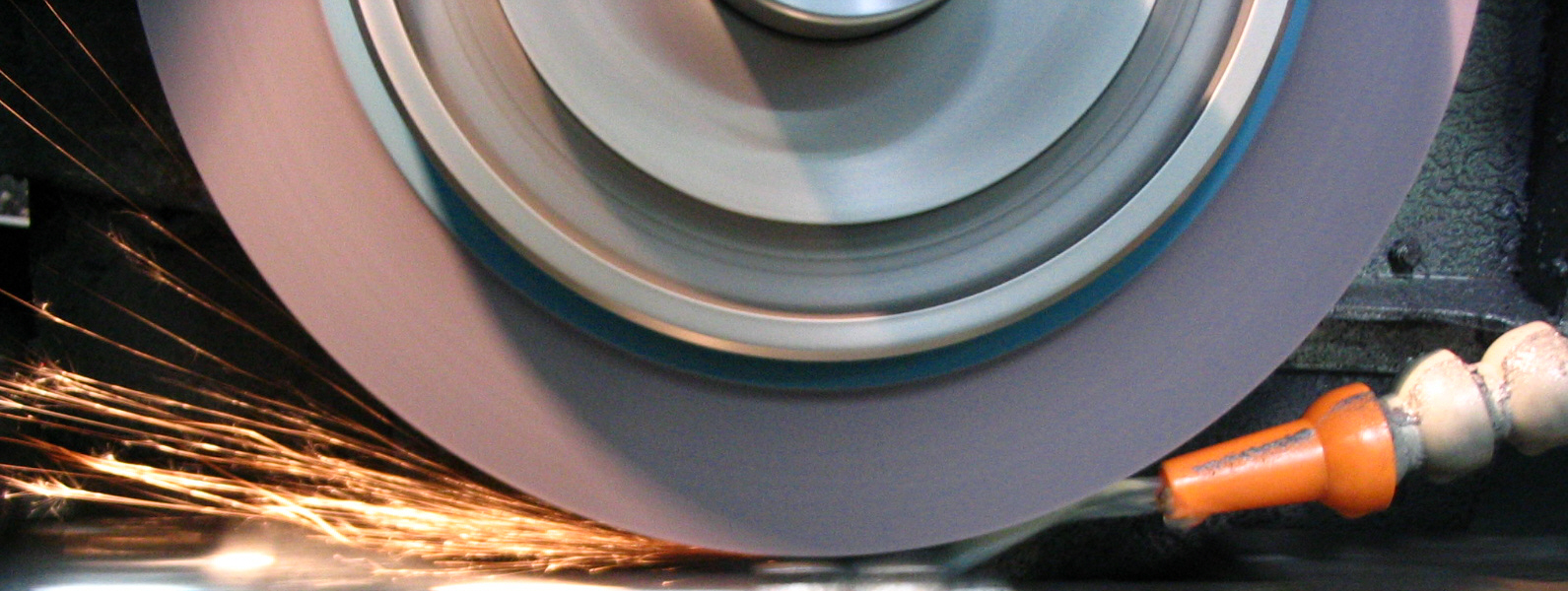
Surface grinding and similar operations with broad contact zones can create more heat, making structure an important selection factor.
How Should Buyers Choose an Open Structure Wheel?
Zhongxin recommends evaluating four linked levers together:
- abrasive type
- bond route
- grade / wheel hardness
- structure / porosity
Vitrified bond is often important in machine-based grinding where porosity design and form retention matter. Resin bond may also be suitable depending on the application.
What Problems Can Open Structure Help Address?
Burn complaints
If a customer reports thermal damage or unstable heat marks, structure should be reviewed together with abrasive, dressing, and coolant.
Frequent wheel loading
More chip space can help the wheel stay freer cutting in loading-prone materials.
Poor finish stability over time
If finish quality starts well and then degrades, the wheel may need a more open route rather than only a different abrasive family.
Excessive dressing demand
If the wheel loses cutting ability too quickly, a more porous route may reduce friction and stabilize dressing intervals.
What Information Should Buyers Send Before Selection?
To recommend a better wheel, Zhongxin should receive:
- workpiece material and hardness condition
- machine type and grinding method
- burn, loading, or finish symptoms
- dressing practice
- coolant condition
- tolerance and surface-finish target
Conclusion
Open structure grinding wheels are valuable when buyers need better chip space, improved anti-loading behavior, and cooler grinding on heat-sensitive materials. But structure should always be matched with abrasive, bond, grade, and machine conditions instead of being treated as a universal shortcut.
Need help choosing a big-porosity grinding wheel for a heat-sensitive application?
- Website: https://shalun.net
- Email: root@shalun.net
- WhatsApp / Phone: +86 15538050608
发表回复