
Why Wheel Dressing Frequency Matters in Grinding Performance
Many shops know that grinding wheels need dressing, but fewer treat dressing frequency as a core process-control variable. In real production, the interval between dressing cycles affects how freely the wheel cuts, how much heat the process generates, and how stable the finish remains across the batch.
The key point is simple: the best dressing frequency is not the most frequent one. It is the interval that keeps the wheel cutting correctly for the actual machine, workpiece, tolerance window, and production goal.
What Does Wheel Dressing Actually Do?
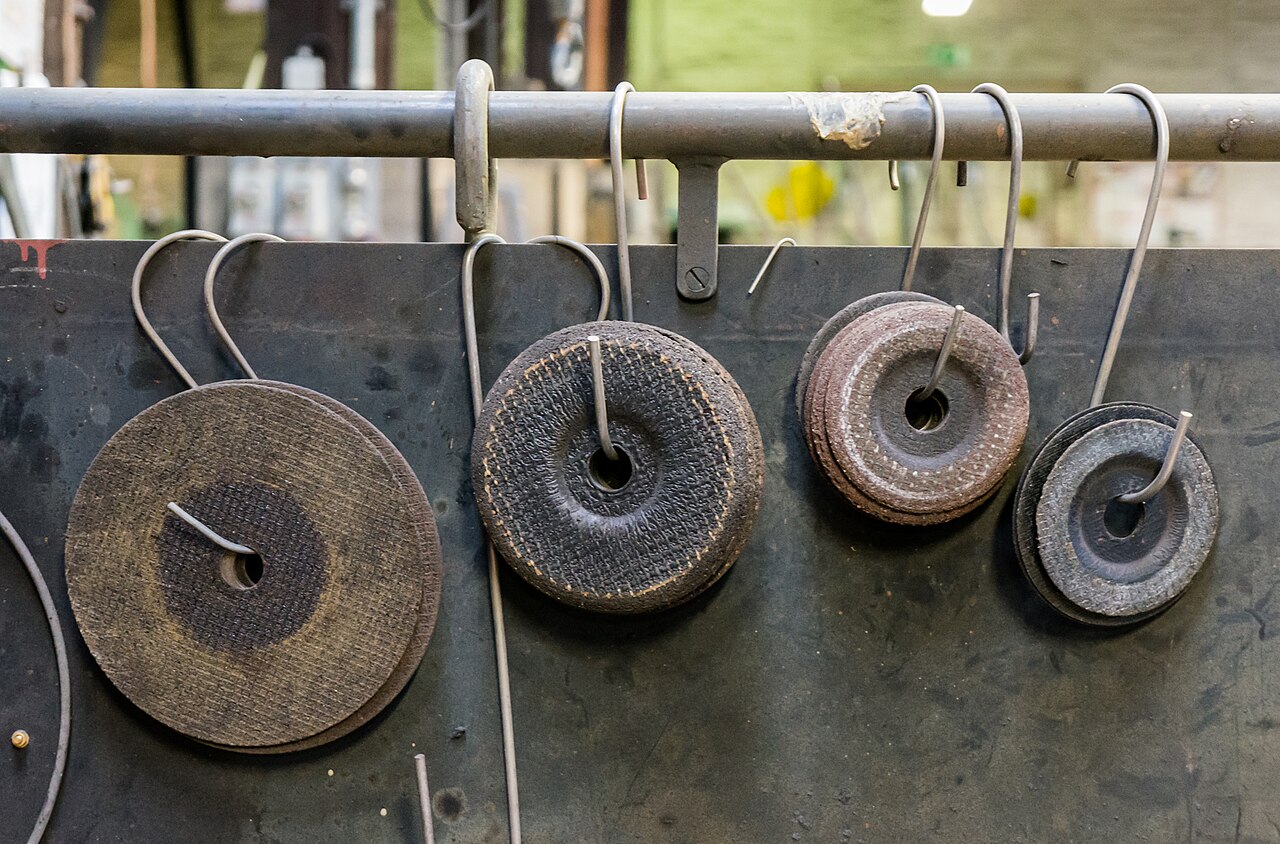
Wheel dressing restores the working surface of the wheel so it can cut as intended instead of rubbing, glazing, or loading.
Restoring cutting points
As grinding continues, abrasive grains may dull or become less effective. Dressing helps expose fresh cutting points so the wheel can remove material more efficiently.
Opening wheel structure
A loaded wheel loses pore space and cutting freedom. Dressing helps reopen the wheel face and improves chip space at the surface.
Supporting stable grinding behavior
A properly dressed wheel is more likely to grind with stable force, heat, and finish behavior rather than drifting during the run.
Why Does Dressing Frequency Matter So Much?
Dressing frequency matters because wheel condition changes during use. The wheel surface that performs well at the start of the batch will not stay the same forever.
Wheel sharpness changes during use
A freshly dressed wheel usually cuts more freely. As the interval becomes too long, the wheel may become duller, less open, and less aggressive.
Heat and rubbing rise when the wheel condition drifts
When a wheel stops cutting efficiently, rubbing increases. That pushes more energy into heat and raises the risk of thermal damage.
Surface quality depends on stable wheel topography
Surface finish consistency is easier to maintain when the wheel face remains within a stable working condition. If the interval is too long, finish drift can become more noticeable.
What Happens If Dressing Is Too Infrequent?
Infrequent dressing is one of the most common hidden reasons behind unstable grinding performance.
More loading and glazing
Workpiece material may pack into the wheel surface or the grains may become dull and start rubbing instead of cutting. Both conditions hurt grinding efficiency.
Higher burn risk
A dull or loaded wheel tends to generate more heat. That can increase the chance of grinding burn, temper damage, or surface-integrity problems.
Poorer finish and unstable size control
When wheel condition drifts too far, the finish may worsen through the batch, and dimensional or profile consistency may become harder to hold.
What Happens If Dressing Is Too Frequent?
Too-frequent dressing can also hurt the process even if the wheel stays sharp.
Shorter wheel life
Every dressing cycle removes usable wheel material. If the wheel is dressed earlier than necessary, total wheel life falls.
More downtime
Frequent dressing interrupts production. In repetitive or high-volume work, those interruptions directly affect throughput.
Higher cost without proportional gain
If finish, heat, and size control are already stable, extra dressing may add cost without creating a real quality improvement.
What Factors Determine the Right Dressing Interval?
There is no single universal interval that fits every grinding job. The correct decision depends on the full process window.
Workpiece material and hardness
Tough, ductile, or gummy materials may load the wheel faster. Hardened materials may dull the wheel differently depending on the abrasive and bond system.
Wheel specification and structure
Abrasive type, grit size, grade, structure, and bond all influence how the wheel behaves over time and how often it needs dressing.
Grinding method and contact area
Surface grinding, cylindrical grinding, internal grinding, centerless grinding, and tool grinding can all place different demands on wheel condition.
Machine rigidity, coolant, and dressing-system quality
A weak dressing setup, poor coolant delivery, or machine instability can make interval control less reliable even if the wheel choice is otherwise sound.
What Process Signals Show the Interval Needs Adjustment?
Instead of copying a generic number, buyers should watch practical process signals.
Signs the interval may be too long
- Grinding temperature appears to rise
- Surface finish drifts during the batch
- Loading or glazing becomes visible
- Burn complaints become more frequent
- Size or form control becomes less stable
Signs the interval may be too short
- Wheel wear cost is unusually high
- Dressing downtime is excessive
- Quality is already stable but dressing is still very frequent
- Wheel life drops without clear production benefit
How Should Buyers Discuss Dressing Frequency With a Wheel Supplier?
When asking Zhongxin for a wheel recommendation, buyers should share the process details that actually affect dressing behavior.
Useful information to provide
- Workpiece material and hardness condition
- Grinding method and machine type
- Current wheel specification if known
- Main problem such as burn, loading, finish drift, or short wheel life
- Priority target such as lower heat, better finish, longer interval, or stronger form retention
Why trial validation still matters
The right dressing interval should be confirmed in real production. Machine condition, coolant, dressing tool behavior, and wheel specification all affect the final answer.
Conclusion
Wheel dressing frequency matters because it directly influences sharpness, heat, finish, and production stability. Dressing too late can raise loading, glazing, and burn risk. Dressing too early can waste wheel life and production time.
The practical goal is not to dress as often as possible. It is to dress often enough to keep the wheel working correctly inside the real process window.
Need help matching wheel structure, grade, and dressing logic to your grinding job?
- Website: https://shalun.net
- Email: root@shalun.net
- WhatsApp / Phone: +86 15538050608
发表回复