

Common Grinding Burn Causes and Solutions in Precision Grinding
Grinding burn is one of the most important defect risks in precision grinding. It can show up as visible temper color, unstable surface finish, or deeper thermal damage that affects part quality and buyer confidence.
The key point is simple: grinding burn is usually a process mismatch problem, not just a single-parameter mistake.
What Is Grinding Burn?
Grinding burn is thermal damage caused when too much heat builds in the grinding contact zone. Sometimes the part shows visible discoloration. In other cases, the damage is less obvious but still harmful to surface integrity.
Why burn matters to industrial buyers
Grinding burn increases:
- Rework and scrap risk
- Surface-quality instability
- Concern about process control
- Difficulty in holding consistent production quality
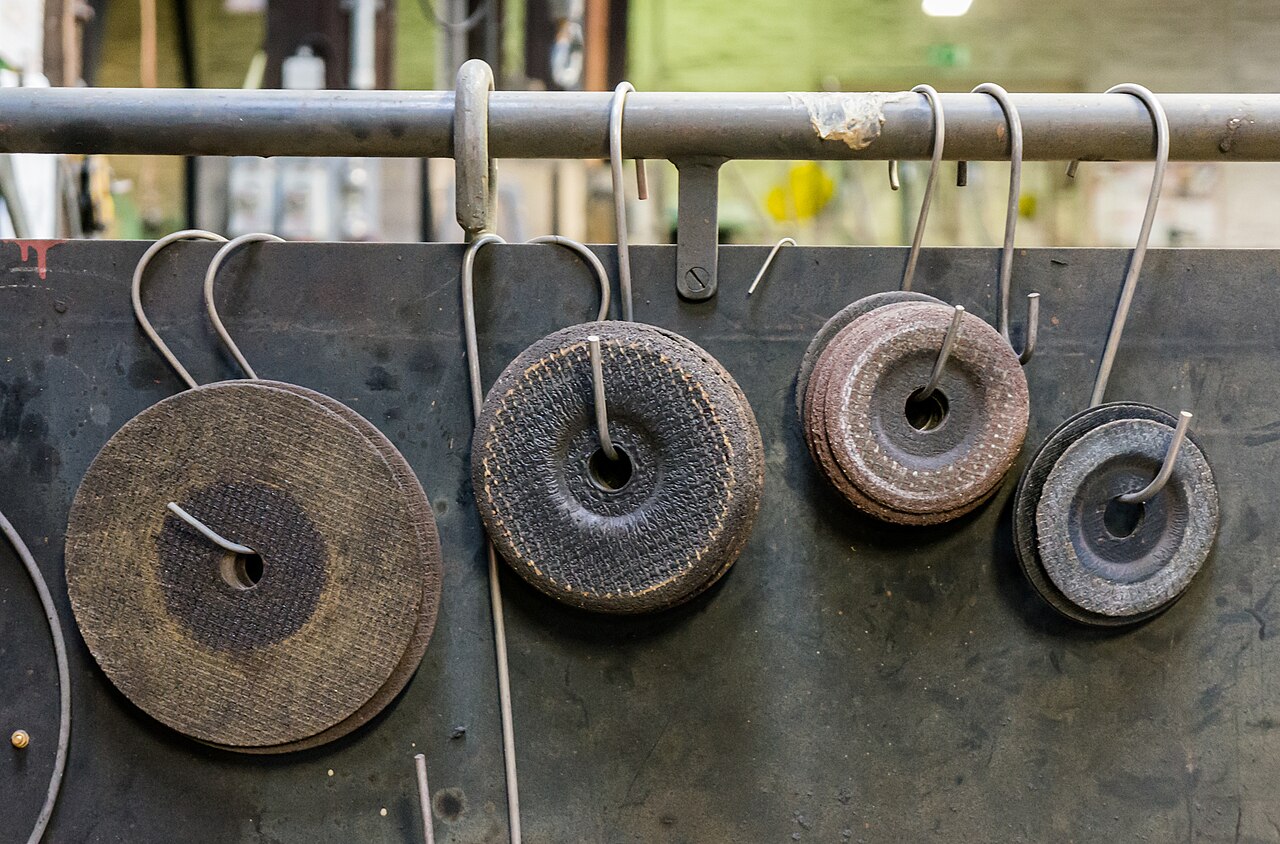 wheel loading in the contact zone” />
What Causes Grinding Burn?
Excessive heat in the contact zone
Too much grinding energy in too small an area quickly raises temperature.
Loaded or glazed grinding wheels
A loaded or glazed wheel rubs instead of cuts. That rubbing action is one of the fastest ways to create burn.
Wrong wheel specification
If abrasive, grit, grade, structure, or bond do not match the job, the wheel may become too hard-cutting in the wrong way and generate more heat than the process can safely handle.
Poor dressing condition
An undressed wheel loses sharpness and chip space. Dressing condition directly affects burn risk.
Coolant and machine-related issues
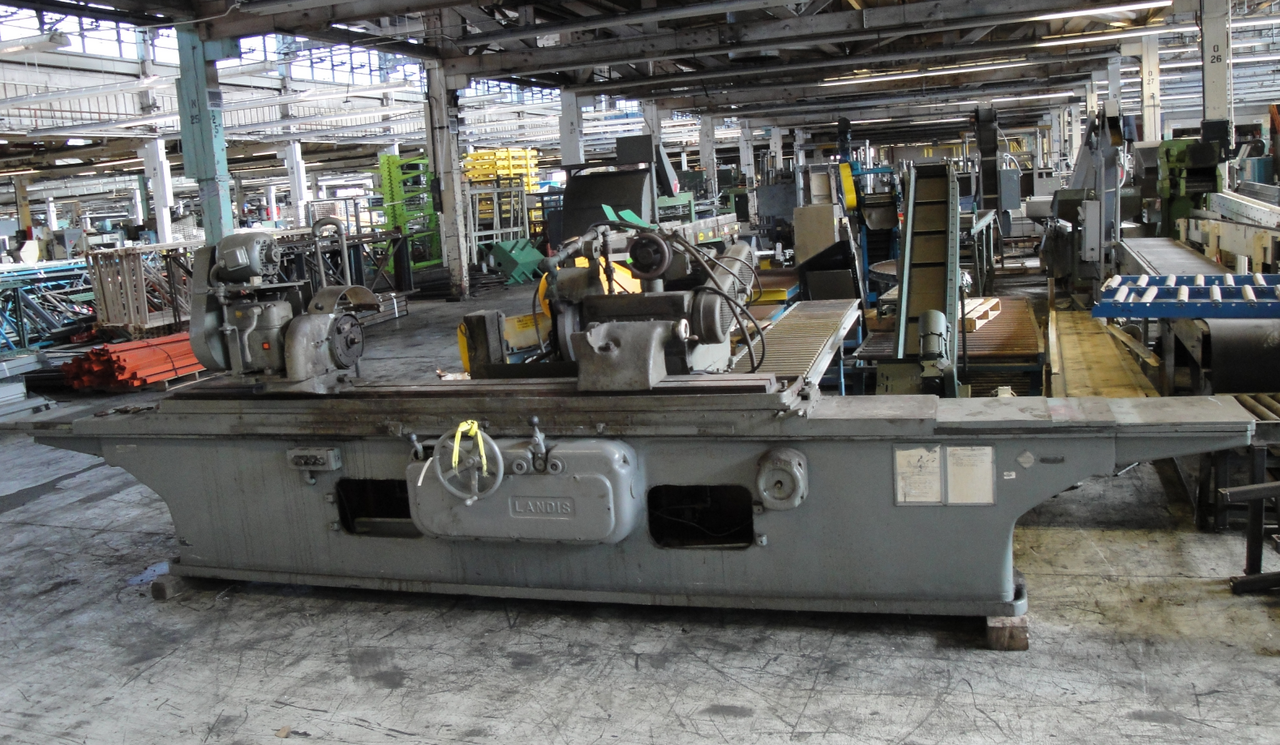
Poor coolant access, unstable delivery, limited machine rigidity, and unsuitable contact conditions can all increase thermal damage.
How Can You Reduce Grinding Burn?
Restore wheel sharpness
Proper dressing helps the wheel cut again instead of rubbing.
Re-match wheel specification
Review the full wheel logic:
- Abrasive type
- Grit size
- Grade
- Structure
- Bond
Improve coolant delivery
Coolant needs to reach the contact zone effectively. Weak or poorly directed coolant often leaves a good wheel performing like a bad one.
Stabilize the process instead of forcing the cut
Trying to solve productivity pressure by forcing a dull wheel often creates more burn, more scrap, and more downtime.
How Does Material Type Change Burn Risk?
Hardened steel
Hardened steel is especially sensitive to thermal damage and surface-integrity problems.
Stainless steel
Stainless steel tends to load wheels and trap heat, so anti-loading wheel logic and coolant access matter even more.
Other difficult-to-grind materials
Any material that creates unstable cutting, heavy loading, or long contact length can raise burn risk.
How Zhongxin Can Support Burn-Control Wheel Selection
At Zhongxin, we help buyers reduce grinding burn by matching wheel specification to material, machine, dressing condition, and production target. Burn control starts with a cutting wheel, not a rubbing wheel.
Conclusion
Common grinding burn causes include heat concentration, wheel loading, wrong wheel specification, poor dressing, and weak coolant delivery. The best solution is to treat burn as a process-matching issue and correct the full grinding system.
If you want help reducing burn in your application, send Zhongxin your material, machine type, current wheel specification, and defect symptoms. That gives us a better base for practical wheel recommendations.
Need help reducing grinding burn?
- Website: https://shalun.net
- Email: root@shalun.net
- WhatsApp / Phone: +86 15538050608