
Vitrified vs Resin Bond Grinding Wheels: What Is the Difference?
Buyers often ask whether vitrified bond or resin bond grinding wheels are better. The real answer is that they are not “better” or “worse” in absolute terms—they are designed to behave differently in porosity, form holding, dressing response, and cutting feel.
For industrial grinding, the right choice depends on the process target, workpiece material, machine setup, and finish requirement.
What Does Bond Mean in a Grinding Wheel?
The bond is the system that holds abrasive grains together. It strongly affects how the wheel cuts, wears, and reacts to dressing.
Bond versus abrasive
Abrasive type tells you what is doing the cutting. Bond type tells you how that cutting action is supported and released during grinding.
Why bond changes wheel behavior
Bond choice can influence:
- Shape retention
- Porosity and chip space
- Dressing frequency
- Cutting feel
- Surface quality stability
- Process consistency over longer runs
What Are Vitrified Bond Grinding Wheels?
Vitrified bond wheels are widely used in precision grinding because they offer strong geometry control and reliable dressing behavior. They are often preferred when buyers need dimensional accuracy, stable profile holding, and designed porosity.
Typical industrial applications
Vitrified bond is common in:
- Cylindrical grinding
- Surface grinding
- Centerless grinding
- Tool grinding
- Other machine-tool precision applications
What Are Resin Bond Grinding Wheels?
Resin bond wheels are often selected where a freer cut, certain finishing behavior, or application-specific response is desired. They can be used in conventional abrasive wheels and also in suitable diamond or CBN routes.
Typical industrial applications
Resin bond may be seen in:
- Finishing operations
- Application routes that benefit from shock absorption
- Product lines where cutting feel matters
- Certain superabrasive grinding solutions
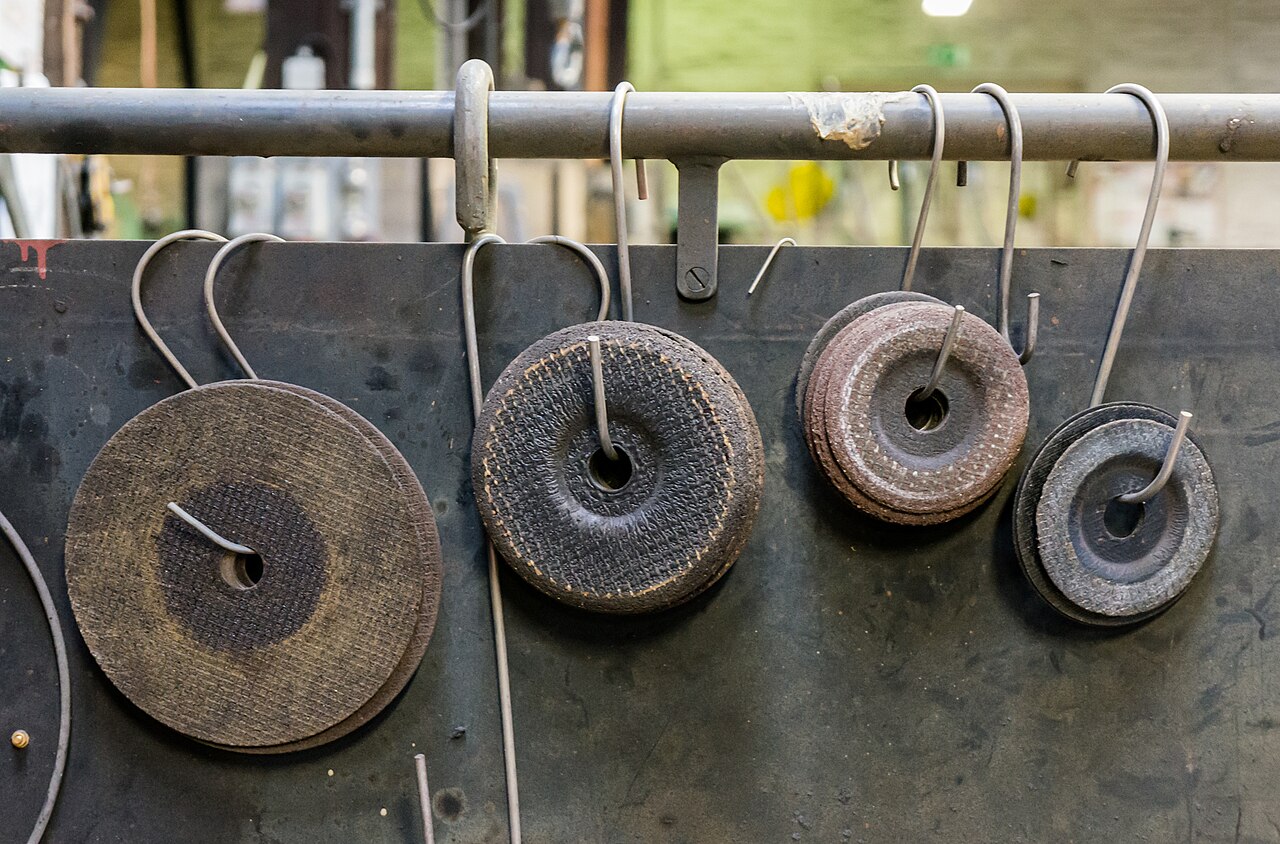
Vitrified vs Resin Bond: Key Differences
Shape retention and porosity
Vitrified bond is often highlighted for stronger form retention and better-known porosity advantages in many precision applications. That makes it attractive where wheel geometry and open structure are important.
Cutting feel and finish behavior
Resin bond is often described as freer cutting or smoother in some applications. That can be useful when finish quality and process feel are part of the selection logic.
Dressing and process control
Vitrified wheels are often preferred where dressing behavior and repeatable process control matter. Resin bond performance depends more on the specific route and application conditions.
Cost and application fit
Neither bond type should be sold as universal. The correct choice comes from the material, machine, and production target.
How Should Buyers Choose Between Vitrified and Resin Bond?
Before asking for a recommendation, buyers should try to provide:
- Workpiece material
- Grinding method
- Machine type
- Surface finish target
- Tolerance goal
- Existing wheel specification if known
That information helps suppliers decide whether precision form control or a freer-cutting route is the better fit.
How Zhongxin Can Recommend a Suitable Bond Route
At Zhongxin, we compare vitrified and resin bond routes by application—not by habit. By understanding the machine, material, and result expected, we can recommend a more suitable wheel specification for real production use.
Conclusion
Vitrified and resin bond grinding wheels serve different purposes. Vitrified bond is often chosen for precision, form retention, and porosity control, while resin bond can be attractive where cutting feel, finish behavior, or specific application flexibility matters.
The best comparison is not bond versus bond alone. It is bond matched to the actual grinding job.
Need help comparing vitrified and resin bond wheels?
- Website: https://shalun.net
- Email: root@shalun.net
- WhatsApp / Phone: +86 15538050608
发表回复