
How Grinding Wheel Porosity Affects Cool Cutting
When buyers talk about cooler grinding, they often focus on abrasive type first. That matters, but it is not the whole story. In many machine-grinding applications, wheel porosity is one of the key reasons a wheel cuts more freely, loads less easily, and runs with lower thermal pressure. If the structure is too closed, the wheel can shift from cutting toward rubbing, and heat problems tend to rise.
For practical wheel selection, porosity should be reviewed together with abrasive, bond, grade, dressing condition, coolant delivery, and machine setup. A more porous wheel is not a magic fix, but in the right application it can make a major difference in cool-cutting performance.
What Is Grinding Wheel Porosity?
Grinding wheel porosity refers to the void space inside the wheel structure between abrasive grains and bond bridges. In simple terms, more porosity usually means more open space for chips and more room for coolant to support the grinding zone.
Porosity Is Different from Abrasive Type
Two wheels may both use aluminum oxide, silicon carbide, CBN, or diamond, yet behave very differently if one has a denser structure and the other has more open chip space. Abrasive type tells part of the story; structure tells another important part.
Porosity Is Different from Wheel Grade
Wheel grade describes how strongly the bond holds the abrasive grains. Porosity describes how much open space exists inside the wheel. These are related design factors, but they are not the same thing.
Why Does Porosity Matter for Cool Cutting?
Cooler cutting is really about reducing the conditions that promote rubbing, loading, and trapped heat. A properly designed porous wheel can support that goal in several ways.
1. More Chip Space at the Grinding Interface
When chips have more room to move, the wheel face is less likely to crowd up. That helps the wheel keep cutting instead of smearing or rubbing the workpiece surface.
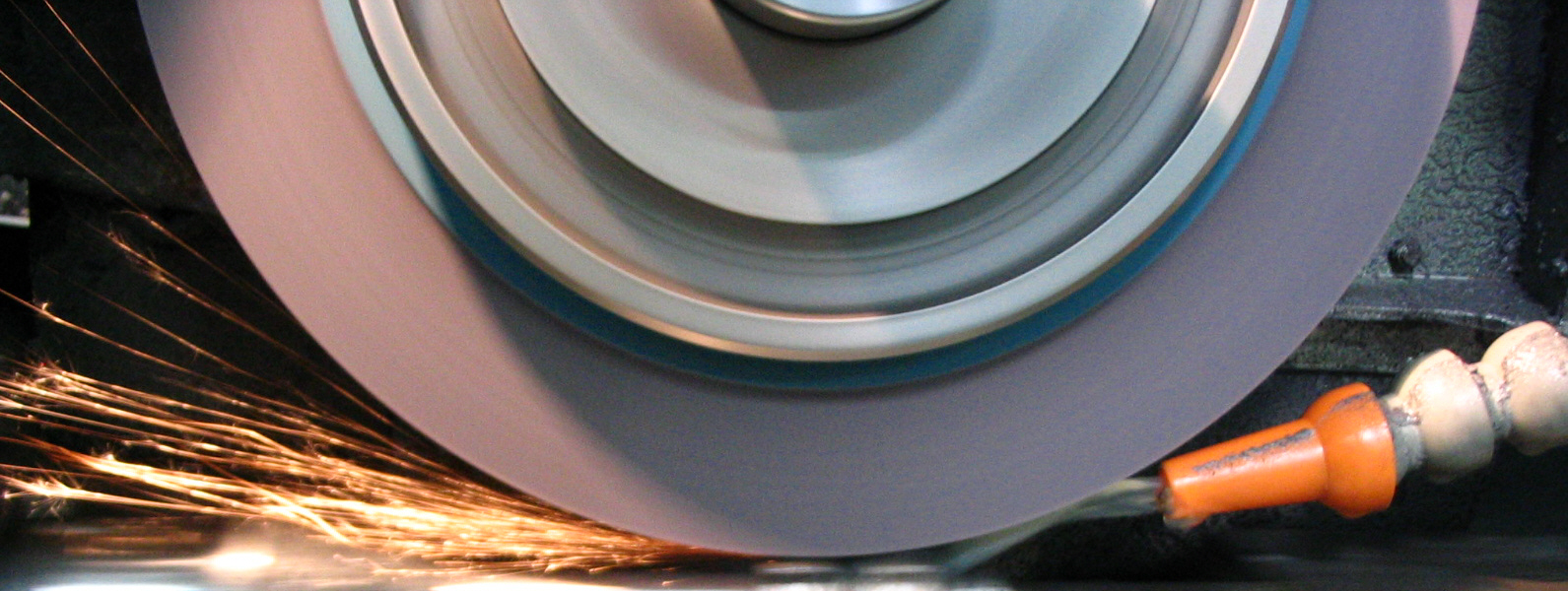
2. Better Coolant Access Under the Right Conditions
A more porous structure can help coolant reach the grinding contact zone more effectively. This does not replace good nozzle position or flow control, but it can support more efficient heat removal when machine conditions are correct.
3. Reduced Loading and Rubbing Tendency
When a wheel face loads too quickly, cutting efficiency drops and heat rises. A porous structure can help delay that shift, especially in materials that tend to smear or clog the wheel surface.
4. More Stable Cutting Behavior Over Time
Wheels that stay open longer often show more consistent grinding behavior, steadier finish quality, and less urgent dressing demand than overly dense wheels used in the same job.
Which Grinding Jobs Benefit Most from a More Porous Wheel?
Porosity is especially important where loading and heat control are recurring complaints.
Stainless Steel and Other Loading-Prone Materials
Stainless steel is a classic example. In Zhongxin’s practical experience, 304 stainless steel tends to load and clog the wheel surface, so a big-porosity route often deserves priority review. For this type of application, SA big-porosity and GC big-porosity wheels are common house recommendations, with J grade used as a cautious reference point depending on the process.
Heat-Sensitive Grinding Applications
Where grinding burn, discoloration, or thermal damage is a concern, wheel structure should be reviewed carefully. A more porous wheel may help support a freer-cutting process with lower heat pressure.
Large Contact-Area Grinding Jobs
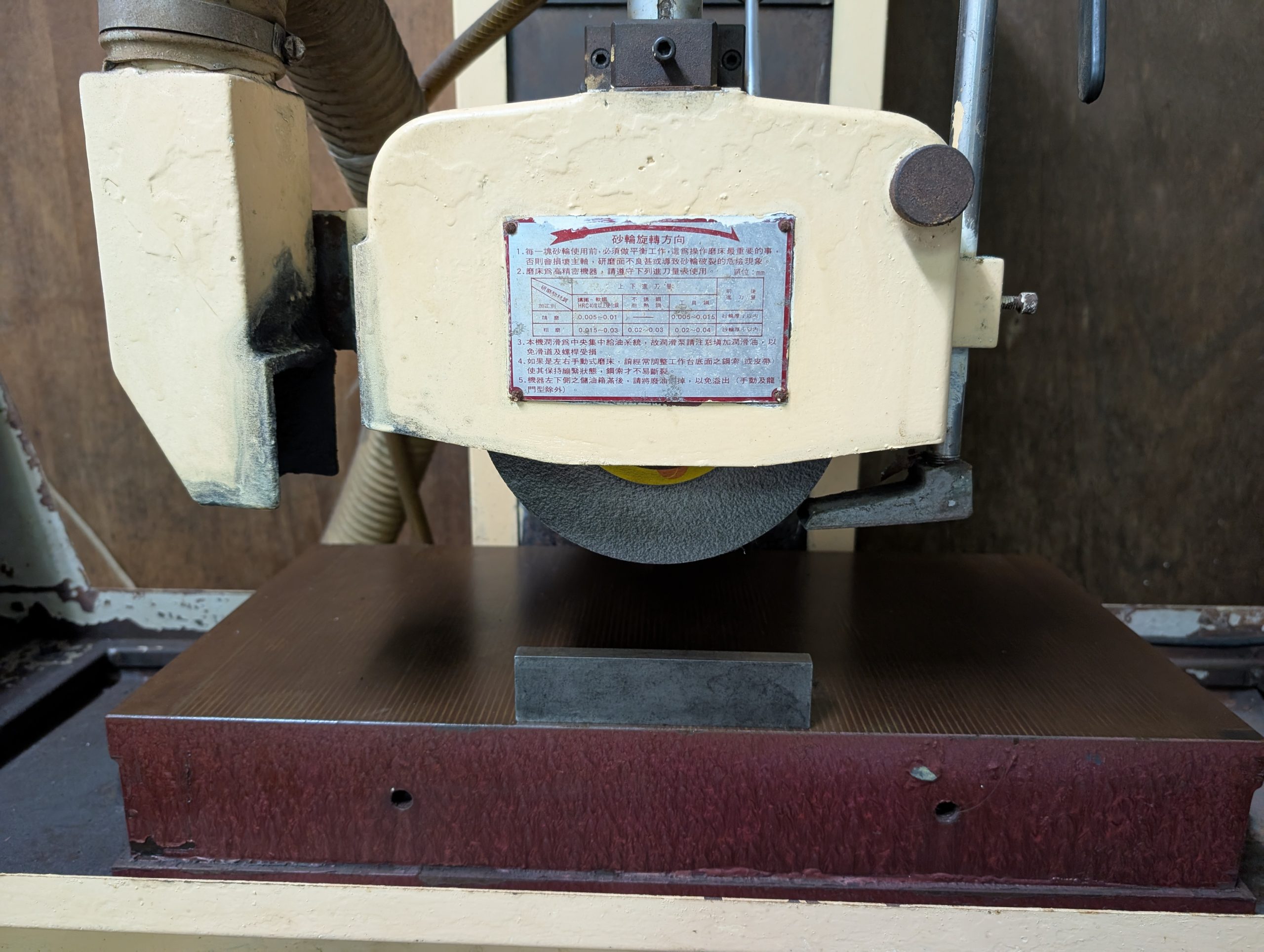
Surface grinding and similar processes often create a broader wheel-workpiece contact area. That larger contact zone can concentrate heat, making wheel structure more important.
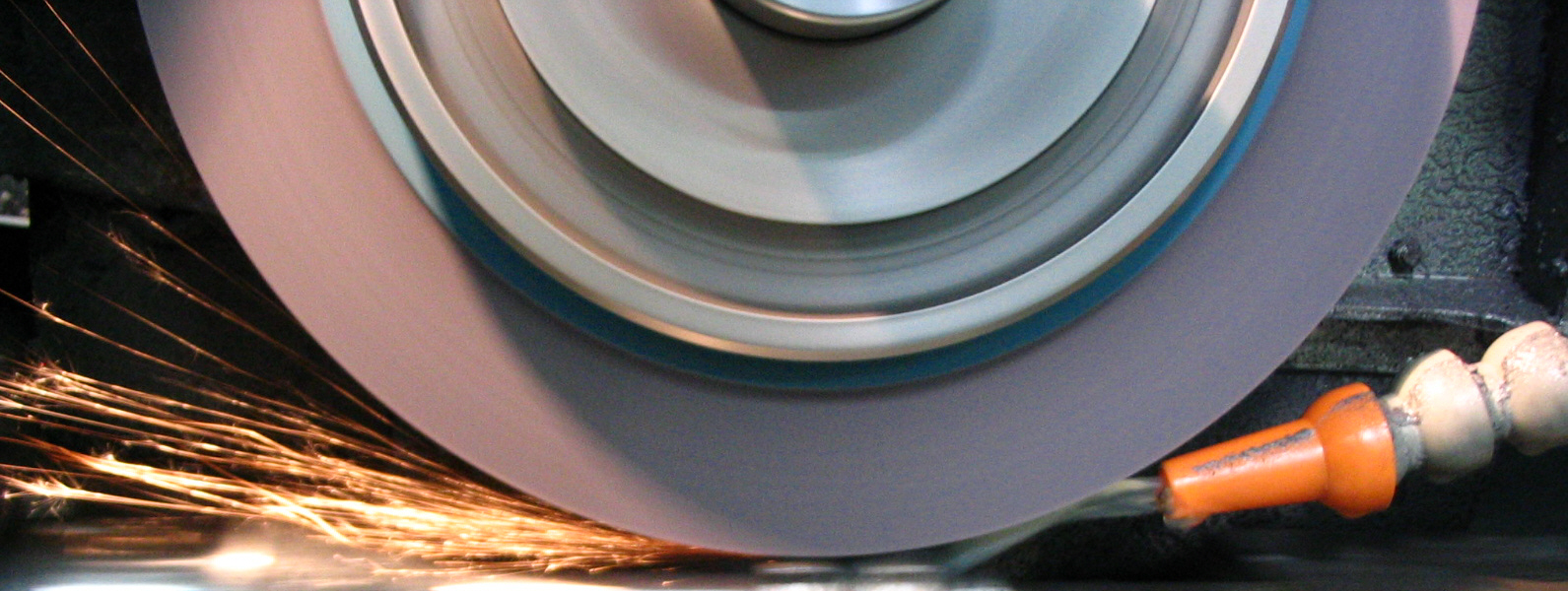
Jobs Where Wheels Load Before They Wear Out
If a customer says the wheel stops cutting well long before it is physically worn out, structure and dressing should be reviewed together. In many such cases, insufficient porosity is part of the problem.
How Should Buyers Evaluate Grinding Wheel Porosity?
Porosity should never be judged in isolation. Practical selection usually depends on how several wheel factors work together.
Match Porosity with Abrasive, Bond, and Grade
Good wheel selection often requires reviewing abrasive type, bond type, grade, and structure as one package. For example, vitrified-bond wheels are often chosen when porosity control and shape retention are both important.
Review Dressing and Coolant Conditions
Even a well-designed porous wheel can underperform if dressing is poor or coolant delivery is weak. Cooler cutting is a process condition, not just a product slogan.
Balance Heat Control Against Finish and Form Requirements
Higher porosity is not automatically better in every case. Finish target, form retention, wheel life, and process stability still need to be balanced against freer cutting behavior.
How Zhongxin Supports Cool-Cutting Wheel Selection
When buyers report burn tendency, wheel loading, unstable finish, or very short dressing intervals, Zhongxin reviews the application from a machine-grinding perspective rather than recommending a wheel by abrasive code alone.
Useful information usually includes:
- workpiece material
- machine type
- current wheel specification
- loading or burn symptoms
- coolant condition
- required finish and dimensional target
With that information, it becomes easier to decide whether a more porous structure is the right move, and whether SA, GC, vitrified, resin, or another route makes the most sense.
Conclusion
Grinding wheel porosity affects cool cutting because it influences chip accommodation, coolant access, loading resistance, and the wheel’s ability to stay freer cutting over time. It is not the only variable, but it is often one of the most overlooked.
If your current wheel runs hot, loads quickly, or requires frequent dressing just to maintain performance, porosity should be reviewed together with abrasive, bond, grade, and process conditions.