


Cast iron is often seen as an easy material to grind, but wheel choice still matters if you want stable surface finish, efficient stock removal, and predictable dressing intervals. Different cast-iron parts—from brake components and housings to sleeves and machine bases—can behave differently depending on graphite structure, casting skin, machine rigidity, and finish requirements.
The practical point is simple: the best grinding wheel for cast iron components is not decided by abrasive name alone. Buyers should look at material type, grinding method, bond, structure, and production target together.
Why cast iron needs a different grinding-wheel approach
Cast iron is not one single material family. Gray cast iron, ductile iron, and alloyed cast irons do not respond in exactly the same way during grinding. Gray cast iron is usually more brittle and free-cutting, while ductile iron may place different demands on finish consistency and wheel wear behavior.
Part geometry also matters. A large housing, an interrupted-contact casting, and a precision cylindrical component do not load the machine or the wheel in the same way. That is why a supplier should avoid treating all cast-iron grinding jobs as interchangeable.
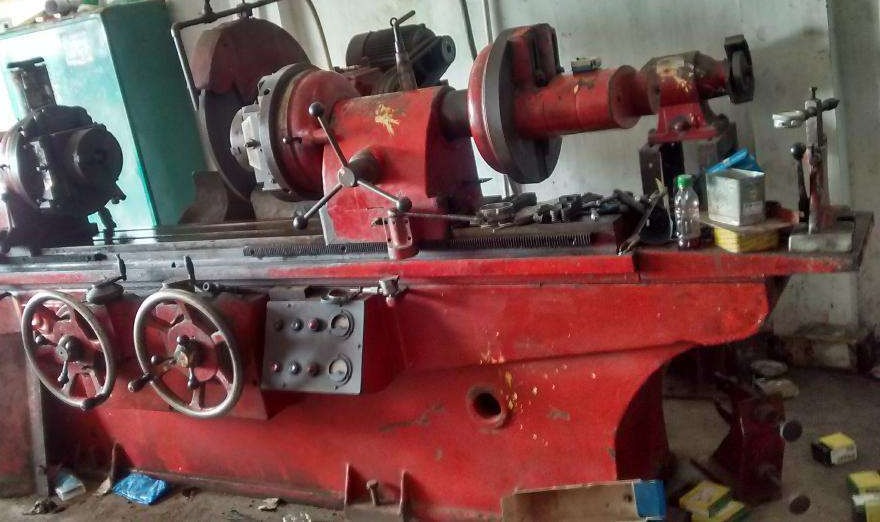
What wheel options are commonly used for cast iron?
Silicon carbide wheels for many cast-iron jobs
Silicon carbide is a strong mainstream route for many cast-iron applications. Its sharp cutting action often matches brittle materials well, making it commercially attractive where freer cutting and productivity are important. In many conventional workshops, silicon carbide is the first route buyers evaluate for gray cast iron and similar brittle cast parts.
When aluminum oxide can still be used
Aluminum oxide should not be treated as the first universal answer for cast iron, but it can still make sense in some mixed-production environments. Some workshops standardize around alumina wheels across multiple ferrous materials and may prefer a more familiar inventory route when the process window allows it.
Why bond and structure matter with cast iron
Abrasive type alone is not enough. Vitrified bond is a practical mainstream choice for many machine-based grinding operations because it supports shape retention and dressing control. Open or medium-open structures can help maintain freer cutting and chip space at the wheel face, while wheels that are too dense or too hard may increase rubbing and unstable finish behavior.
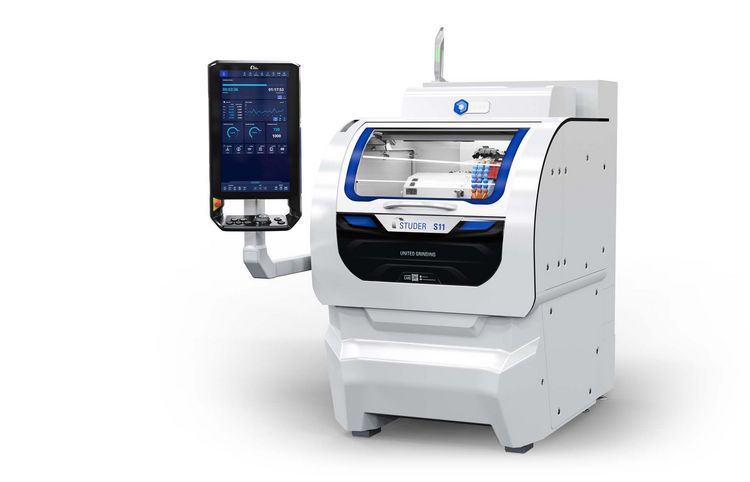
How should buyers choose the right wheel for cast-iron components?
Workpiece material and casting condition
Start with the real workpiece: gray cast iron, ductile iron, or alloyed cast iron. Also consider whether the surface still carries casting skin, whether the part has interrupted sections, and how strict the finish and dimensional requirements are.
Grinding method and machine rigidity
Surface grinding, cylindrical grinding, internal grinding, and centerless grinding place different loads on the wheel. Machine rigidity, spindle condition, dressing capability, and coolant delivery all influence whether a wheel cuts freely or starts to rub.
Surface finish and production target
Some buyers want maximum stock removal, while others care more about stable finish and longer dressing intervals. The right wheel choice balances process stability, wheel life, and quality target instead of optimizing only one factor.
Common cast-iron grinding problems and wheel-related fixes
Rough or inconsistent finish
This often points to wheel sharpness drift, unstable dressing, machine vibration, or an overly dense wheel structure. In many cast-iron jobs, a freer-cutting silicon carbide route with a suitable structure offers a stronger value proposition.
Rubbing and unstable cutting
Even though cast iron is not usually discussed like stainless steel loading, rubbing can still appear if the wheel becomes dull, glazed, or poorly matched to the contact condition. Reviewing grade, structure, and dressing practice together is usually more effective than blaming only one variable.
Edge chipping on brittle sections
Because cast iron is brittle, local chipping can appear around unsupported edges or interrupted zones when the setup is unstable or the grinding action becomes too aggressive. Wheel choice must be considered together with workholding and process stability.
Excessive dressing frequency
If the wheel stops cutting cleanly too quickly, buyers should review abrasive route, grade, structure, and machine stability as one package. Too-frequent dressing increases downtime and wheel consumption without guaranteeing better quality.
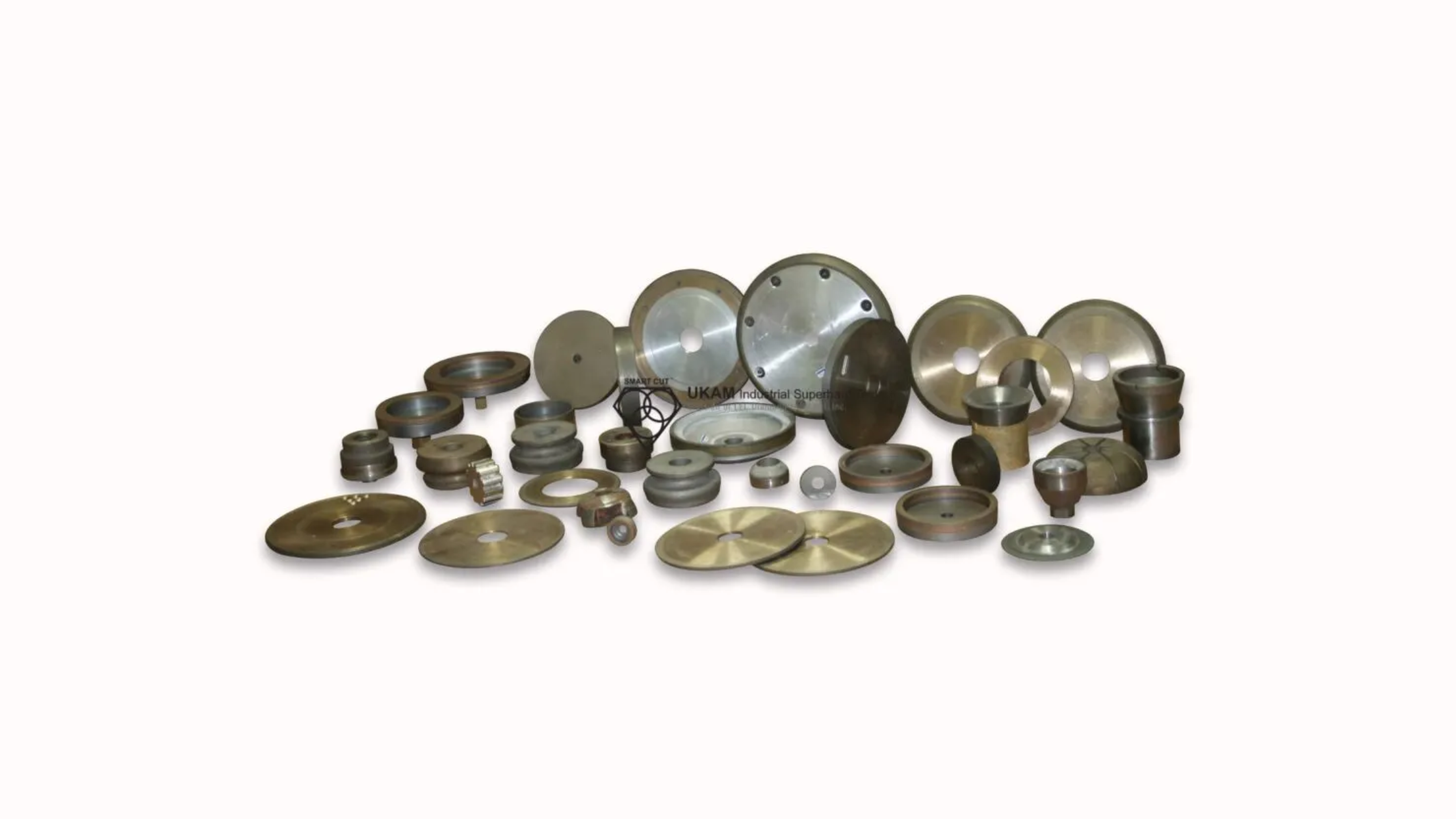
What information should buyers send before wheel selection?
- Cast-iron grade and part type
- Grinding method and machine type
- Current wheel specification, if known
- Main defect symptom such as rough finish, rubbing, or short dressing interval
- Required surface finish, tolerance level, and production target
With that information, a supplier can recommend a more suitable wheel route instead of giving a generic one-line answer.
Conclusion
The right grinding wheel for cast iron components depends on more than whether the abrasive is silicon carbide or aluminum oxide. Material family, bond type, structure, grinding method, and finish goal all shape the final choice. For many brittle cast-iron jobs, silicon carbide remains a strong mainstream route, while aluminum oxide may still be appropriate in selected mixed-production scenarios.
If you want a more suitable recommendation for your cast-iron grinding application, send Zhongxin your material type, machine process, and current defect symptoms for a more targeted suggestion.
Need help choosing a wheel?
Website: https://shalun.net
Email: root@shalun.net
WhatsApp / Phone: +86 15538050608