


Why Automotive Crankshaft Grinding Is a Precision Machine Process
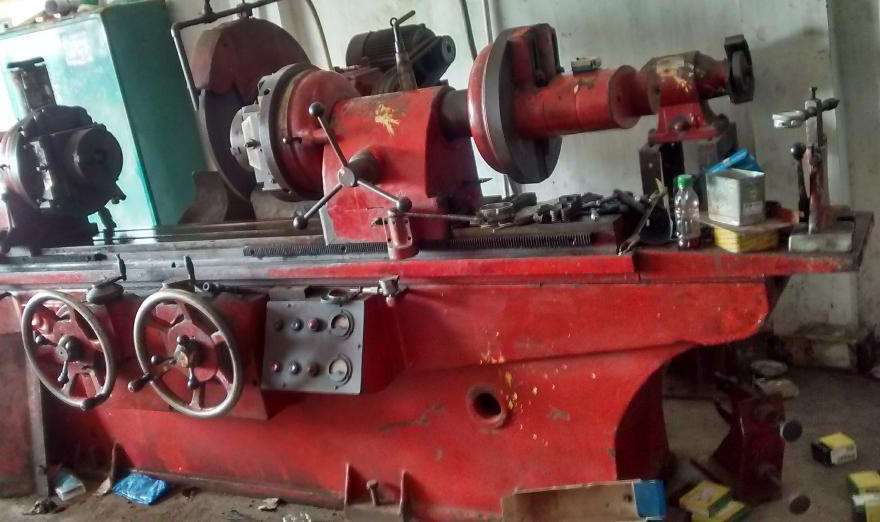
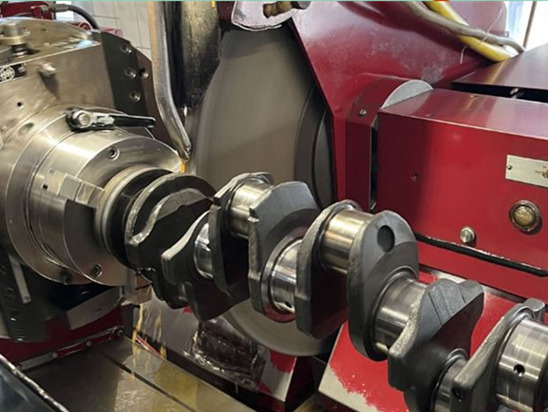
Automotive crankshaft grinding is not a hand-held grinding job. It is a precision machine process carried out on dedicated crankshaft grinding equipment, where journal geometry, roundness, surface quality, burn control, and dimensional repeatability all matter. For engine-component manufacturers, the grinding wheel must support both stable cutting behavior and reliable process control.
In practical production, buyers usually care about these points:
- Dimensional consistency on main journals and rod journals
- Low burn risk during rough and finish grinding
- Stable surface finish without chatter or size drift
- Predictable wheel life and dressing behavior
- Better total process efficiency rather than only lower wheel purchase cost
What Is the Typical Crankshaft Grinding Process?
A practical crankshaft grinding workflow normally includes preparation, setup, wheel selection, dressing, rough grinding, finish grinding, and final inspection. Each stage affects burn control, form holding, and production stability.
1. Workpiece preparation
The operator checks crankshaft material, heat-treatment condition, machining allowance, balance condition, and clamping method before grinding starts.
2. Machine setup
The crankshaft grinder, centers, support condition, and coolant delivery must all match the job. Good machine rigidity and coolant quality are essential for journal grinding consistency.
3. Wheel dressing and truing
Dressing directly affects sharpness, cutting stability, and heat generation. Poor dressing can quickly lead to chatter, size drift, or grinding burn.
4. Rough and finish grinding
Rough grinding focuses on controlled stock removal, while finish grinding focuses on journal size, roundness, taper control, and surface quality. Final parameters should always be matched to the actual crankshaft grinder, coolant system, and production target.
Route 1: Vitrified WA + A Grinding Wheel for Balanced Crankshaft Grinding
For buyers who want a practical conventional route, Zhongxin recommends a vitrified-bond grinding wheel using mixed white aluminum oxide (WA) and brown aluminum oxide (A). The recommended hardness direction is M grade or N grade.
This route is suitable when the user wants a balance of cutting stability, dressing response, form holding, and process economy on crankshaft journal grinding machines.
- Bond: vitrified bond
- Abrasive mix: WA + A
- Hardness direction: M grade or N grade
- Positioning: balanced conventional route for precision journal grinding
Why this route works in practice:
- WA supports relatively sharp cutting behavior
- A contributes toughness and practical durability
- Vitrified bond supports dressing response and stable machine grinding behavior
- It gives many buyers a good balance between process control and operating cost
Route 2: Diamond Grinding Wheel for Durability and Efficiency
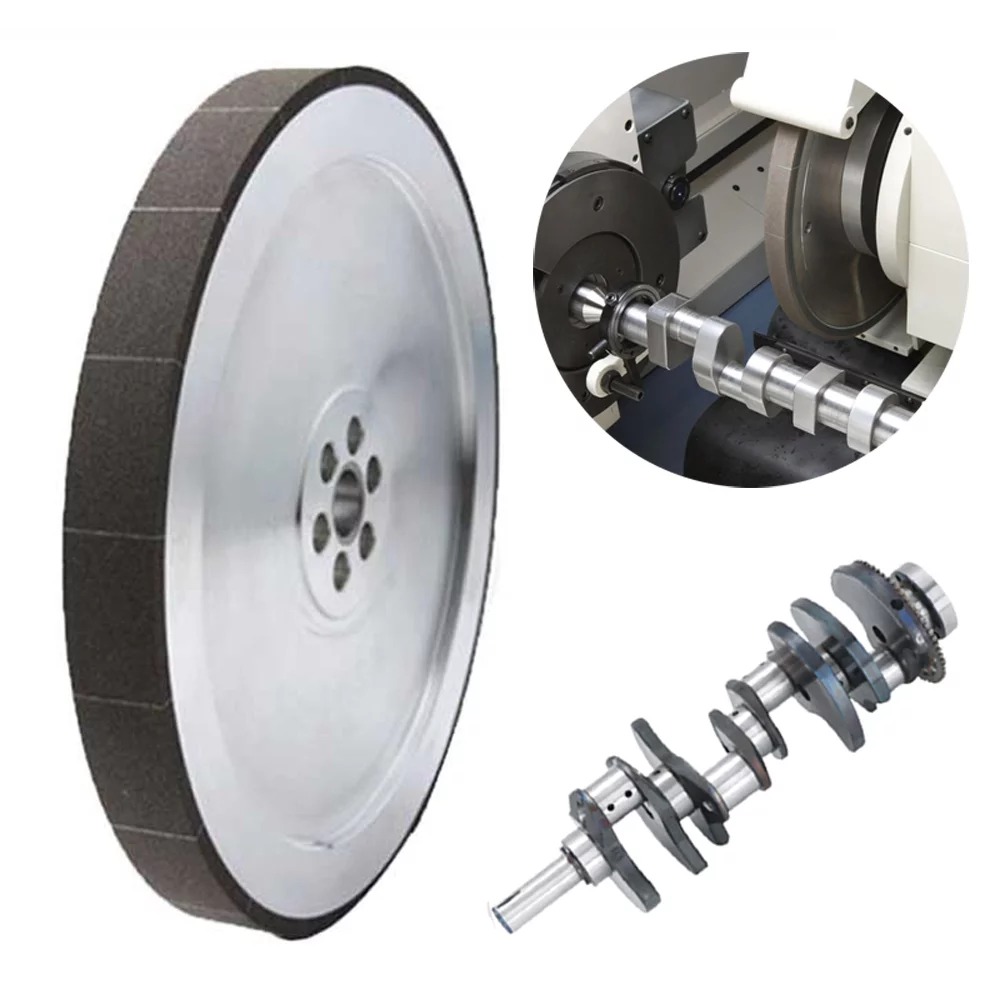
For higher-performance crankshaft grinding projects, Zhongxin also offers a diamond grinding wheel route with resin bond or vitrified bond. The key concentration direction in this task is 120%. This route should be positioned around durability, high linear speed capability, and efficiency improvement.
- Abrasive: diamond
- Bond options: resin bond or vitrified bond
- Concentration: 120%
- Main commercial value: longer usable life, high line speed potential, and better productivity
This route is suitable for buyers who care about total process efficiency, reduced wheel change frequency, and stable performance in demanding crankshaft production environments. It should not be presented as a casual one-size-fits-all replacement. Machine capability, coolant conditions, and production targets still matter.
How to Compare the Two Crankshaft Grinding Wheel Routes
| Item | Route 1: Vitrified WA + A | Route 2: Diamond |
|---|---|---|
| Core positioning | Balanced conventional precision route | Higher-performance efficiency route |
| Bond direction | Vitrified | Resin or vitrified |
| Main value | Stable cutting, dressing response, practical economy | Durability, line-speed capability, productivity |
| Key spec reminder | M grade or N grade hardness | 120% concentration |
| Suitable buyer focus | Reliable journal grinding with cost balance | Premium productivity upgrade |
In buyer-facing terms, the first route is better when the plant wants a proven conventional wheel strategy with stable control. The second route is better when the plant gives priority to higher throughput, better continuity, and longer wheel life.
What Process Variables Affect Crankshaft Grinding Results?
Even with the right wheel route, grinding performance depends on the real production setup. A practical article should mention these variables without inventing unsafe parameter values:
- wheel specification and bond selection
- dressing frequency and dressing quality
- coolant delivery quality
- machine rigidity and support condition
- wheel speed and work speed matching
- rough-grinding and finish-grinding infeed strategy
- crankshaft material and heat-treatment condition
Typical values always depend on machine setup and workpiece material. Final parameters should be validated under actual plant conditions.
Why Zhongxin Can Support Crankshaft Grinding Projects
Zhongxin does not treat crankshaft grinding as a generic metal-grinding topic. We focus on matching the grinding wheel route to the buyer’s machine conditions, production goal, and process stability target. Whether the customer prefers a balanced vitrified WA + A route or a higher-performance diamond route, the goal is the same: reduce burn risk, stabilize quality, and improve overall grinding efficiency.
Need Help Choosing a Crankshaft Grinding Wheel?
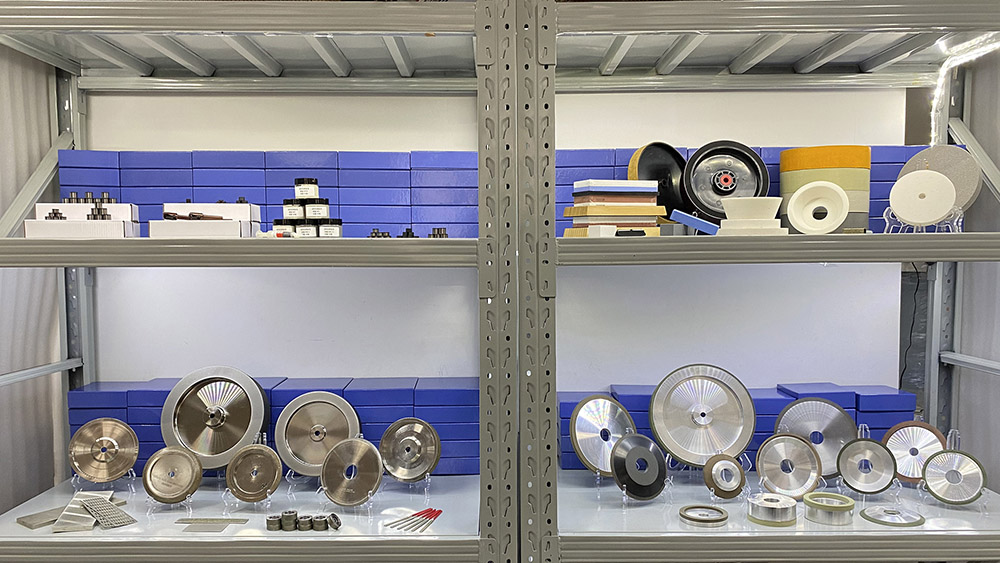
If you are sourcing wheels for automotive crankshaft grinding, Zhongxin can recommend a suitable route based on your crankshaft material, machine setup, grinding objective, and productivity target. Contact us for application-based grinding wheel selection support.