


How to Prevent Chatter Marks in Cylindrical Grinding
Chatter marks in cylindrical grinding are frustrating because they can look like a wheel problem, a machine problem, or both. In practice, chatter is usually not caused by one factor alone. It often comes from a combination of wheel condition, machine stability, workpiece support, and process consistency.
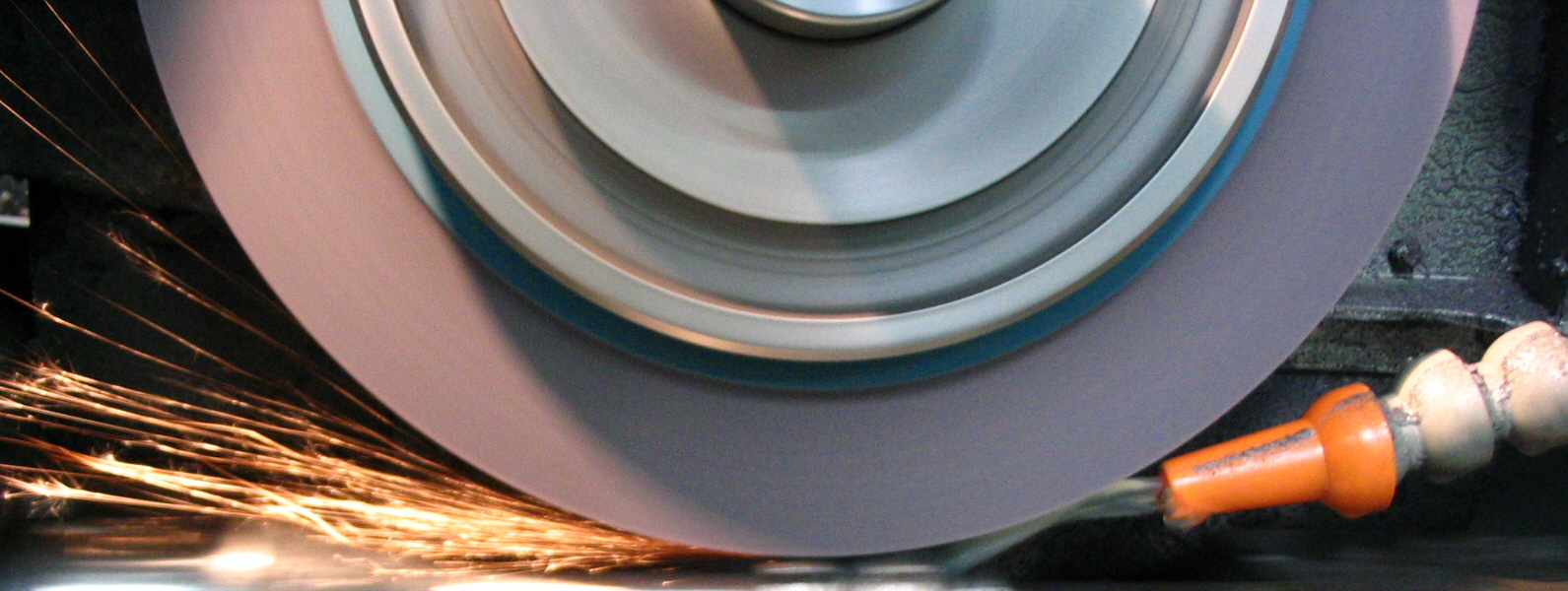
That is why the best way to prevent chatter is to troubleshoot it in a practical order instead of changing parts randomly.
Why chatter marks appear
In cylindrical grinding, chatter marks are usually linked to vibration or unstable cutting behavior. The source may involve wheel balance, wheel specification, dressing condition, spindle condition, machine rigidity, or workpiece support.
Chatter is usually a system problem
The wheel is still important, but it is only one part of the system. If the machine, setup, and support conditions are unstable, chatter can remain even after a wheel change.
Why the wheel can still be part of the cause
If the wheel is poorly balanced, dressed badly, or mismatched to the application, the grinding process may become less stable and more likely to show chatter on the workpiece surface.
What wheel-related factors should be checked first?
The first thing to review is wheel balance. An imbalanced wheel can directly increase vibration and surface instability.
Wheel balance
Check whether the mounted wheel assembly runs smoothly and whether imbalance is contributing to periodic vibration in the grinding zone.
Wheel specification and cutting behavior
A wheel that is too hard, too closed, or otherwise not well matched to the material and finish target may cut less freely and support unstable grinding behavior.
Dressing condition and wheel-face quality
If the wheel face is not restored consistently, cutting quality may drift and chatter can become more likely.

What machine and setup factors also matter?
Even a good wheel cannot fully compensate for weak machine conditions. If machine rigidity is poor or spindle behavior is unstable, chatter marks may appear even after wheel changes.
Machine rigidity and spindle condition
Mechanical looseness, spindle problems, or structural vibration can appear on the part as chatter marks.
Workpiece support and setup stability
In cylindrical grinding, shaft support, centers, and setup stability strongly influence vibration behavior. A long or slender workpiece is especially sensitive.
Coolant and process consistency
If conditions vary across the run, chatter may appear intermittently and make diagnosis harder.
What troubleshooting order works best?
A useful troubleshooting sequence is:
- check wheel balance
- review dressing condition
- confirm the wheel specification suits the material and finish target
- inspect machine rigidity and spindle behavior
- check workpiece support and setup stability
- review coolant delivery and process consistency
Start with the wheel and dressing
This helps separate wheel-related causes from machine-related causes more clearly.
Then check machine and workpiece support
If the problem remains after wheel-side correction, move to machine rigidity, support, and setup stability.
Confirm stability over a full production run
A quick improvement is not enough. Confirm that finish stability remains acceptable over time.

How Zhongxin helps evaluate chatter problems
At Zhongxin, cylindrical grinding chatter should be judged as a system issue. Buyers can get more useful wheel guidance by sharing the workpiece material, wheel code, grinding method, whether the chatter starts immediately or later in the run, and what balancing or dressing steps are already being used.
Looking at wheel route and machine symptoms together
That makes it easier to identify whether the next improvement should come from wheel selection, dressing practice, balancing, or machine-side correction.
What information buyers should provide
Useful details include workpiece material, wheel code, grinding mode, chatter symptom, dressing condition, and machine/setup context.
Conclusion
Chatter prevention requires stable grinding as a full system
Preventing chatter marks in cylindrical grinding requires stable wheel behavior and stable machine behavior together. Wheel balance, wheel specification, and dressing should be checked first, but machine rigidity, workpiece support, and process consistency must also be reviewed. When chatter is approached as a full-system problem, troubleshooting becomes faster and more reliable.