
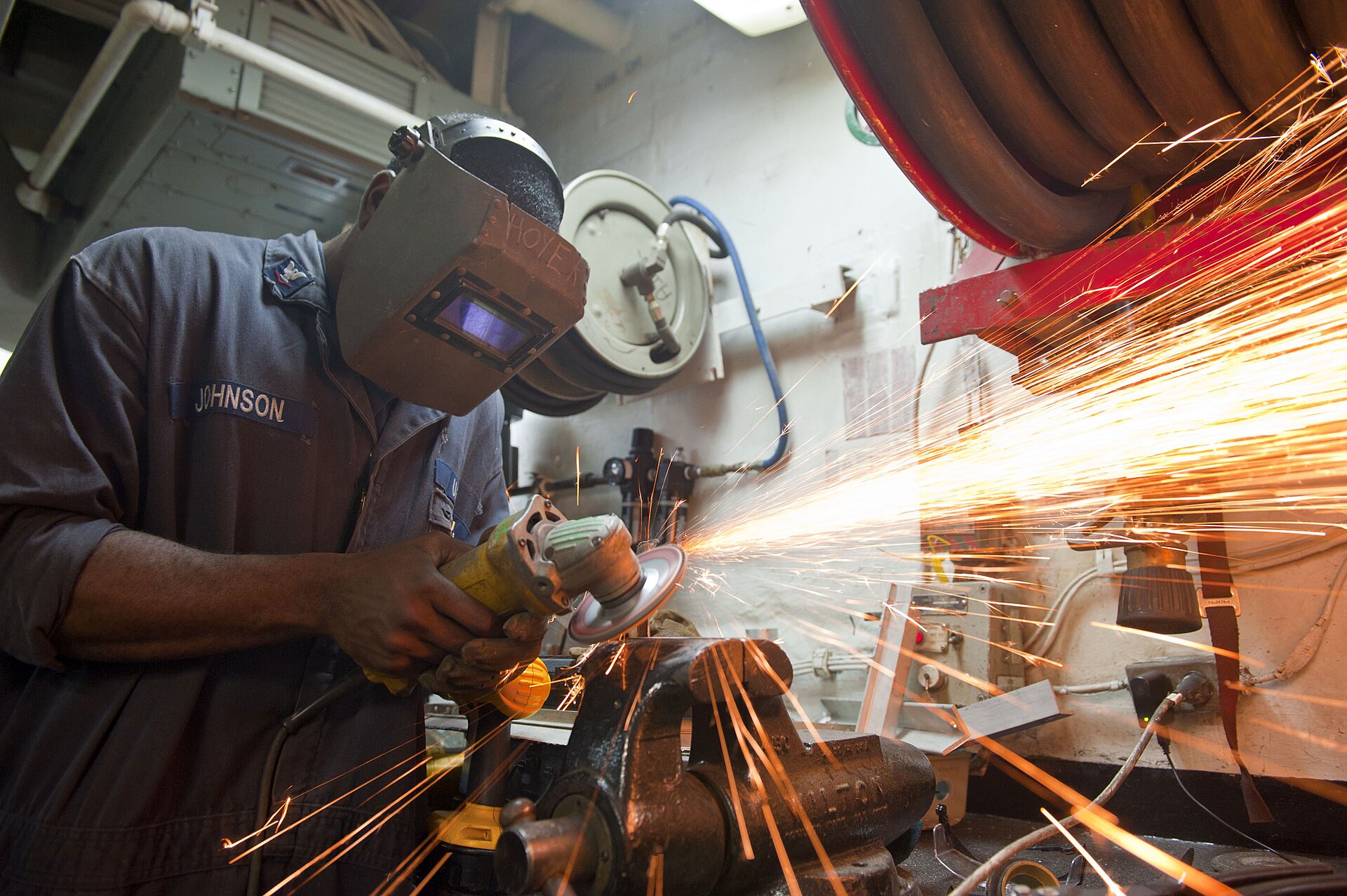
304 stainless steel is one of the most common industrial materials, but it is also one of the easiest to load a grinding wheel. When the wheel surface begins to clog, grinding becomes hotter, less stable, and more difficult to control. For buyers and process engineers, this means wheel selection should focus on anti-loading behavior instead of only looking at abrasive names.
At Zhongxin, the practical recommendation for 304 stainless steel starts with a big-porosity wheel structure. In most machine-based grinding applications, this route helps improve chip space, reduce wheel loading, and support more consistent grinding results.
Why is 304 stainless steel difficult to grind?
Wheel loading and clogging
304 stainless steel tends to smear during grinding. This makes wheel loading a common problem, especially when the wheel structure is too dense or the process generates too much heat. Once loaded, the wheel cuts less freely and the surface condition becomes less predictable.
Work hardening and heat buildup
Another challenge is heat. Poor wheel choice or unstable grinding conditions can increase heat in the contact zone, which makes stainless grinding less efficient and can worsen surface quality. A wheel that stays open and cuts more freely usually performs better in this kind of application.
Why finish consistency matters
For many buyers, the target is not just material removal. Surface consistency, edge condition, and process stability also matter. This is why the grinding wheel must be selected around the actual workpiece behavior, not only by habit.
What grinding wheel route does Zhongxin recommend for 304 stainless steel?
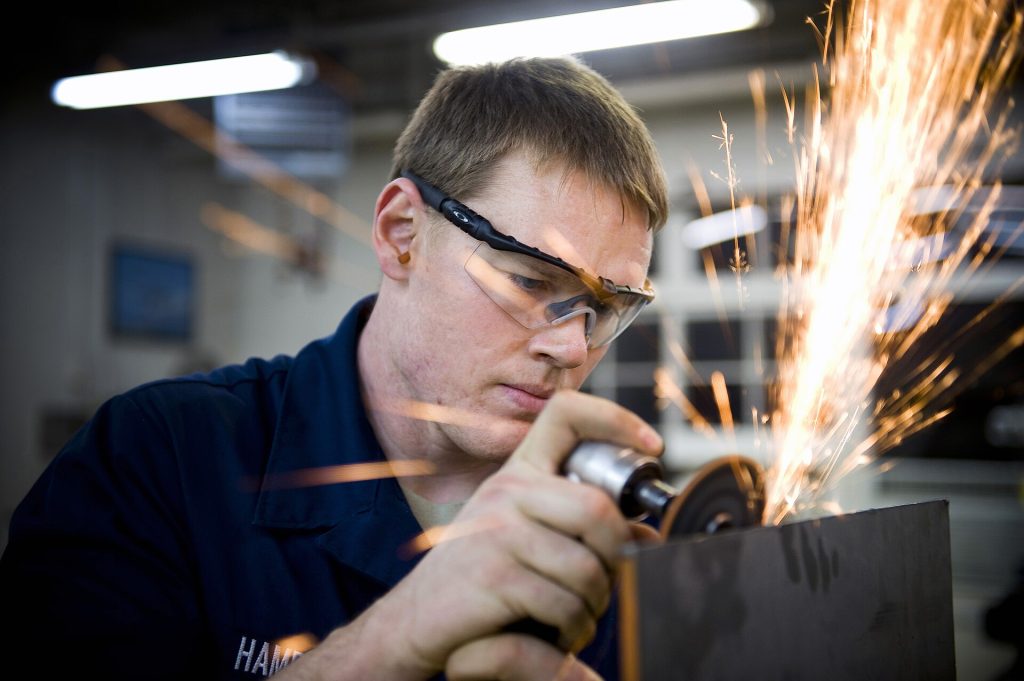
SA big-porosity grinding wheel
The first recommended route is an SA big-porosity grinding wheel. This option is suitable when the process needs a more open wheel structure to reduce loading and improve grinding stability on stainless workpieces.
GC big-porosity grinding wheel
A GC big-porosity grinding wheel is also a practical option depending on the application. It can be a useful alternative when the process requires another abrasive route while still keeping the anti-loading logic clear.
Why J grade is a useful hardness reference
In Zhongxin’s house guidance, J grade is a useful hardness reference for 304 stainless steel grinding. It supports the broader idea that the wheel should remain freer-cutting and less likely to trap grinding debris at the surface.
Why does porosity matter so much?
Chip space and anti-loading behavior
Big porosity gives the wheel more space to carry chips away from the grinding zone. This helps reduce clogging and keeps the wheel face working more effectively over time.
More stable grinding on stainless surfaces
When the wheel structure stays more open, the grinding process can remain more stable. That matters for both production efficiency and finished surface quality, especially on stainless steel parts where loading tends to happen quickly.

What polishing wheel options are suitable after grinding?
PVA sponge wheel
For polishing after grinding, a PVA sponge wheel is the preferred route in Zhongxin’s recommendation. Its micro-elastic behavior can help support a more consistent finish on stainless surfaces.
Resin wheel and graphite wheel
A resin wheel or graphite wheel may also be suitable depending on the finishing route and the target surface requirement. The right option depends on process sequence and finish expectations.
Common mistakes when grinding 304 stainless steel
Using a wheel that clogs too easily
A wheel that is too dense or not suited to stainless grinding can load quickly, which reduces cutting efficiency and makes the process harder to control.
Too much heat and unstable pressure
When heat rises too fast, the grinding result becomes less stable. The wheel should support freer cutting and better chip clearance rather than forcing the process.
Focusing on the wrong consumables
For this topic, the main discussion should stay on machine-based grinding wheels and polishing wheels. It should not be centered on belts, sandpaper, or non-core consumables when a proper grinding wheel route is the main industrial solution.
How Zhongxin can help buyers choose the right wheel
To recommend a more suitable wheel for 304 stainless steel, buyers should share details such as:
- Workpiece shape and size
- Grinding machine type
- Grinding stage and finish requirement
- Current wheel loading problem
- Surface quality target
With this information, Zhongxin can support sample selection and custom wheel specification matching.
Conclusion
When choosing a grinding wheel for 304 stainless steel, the main goal is to reduce loading and keep the process stable. A practical route is to focus on SA or GC big-porosity grinding wheels, with J grade as a useful hardness reference. For finishing, PVA sponge wheel, resin wheel, and graphite wheel are relevant follow-up options depending on the process.
If you are selecting wheels for stainless steel applications, Zhongxin can help match the wheel specification to your machine, workpiece, and finish target.
发表回复