
Choosing Wheels for Tool and Cutter Grinding
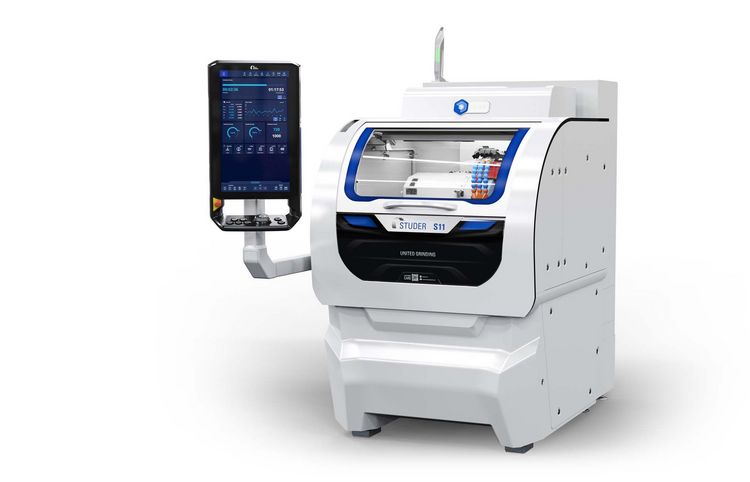
Tool and cutter grinding is not a one-size-fits-all process. The right grinding wheel depends on tool material, operation type, geometry target, finish requirement, and machine condition. For buyers comparing wheel options, the safest starting point is simple: match the abrasive to the tool material first, then refine the choice by bond type, profile retention, dressing response, and surface finish target.
Why tool and cutter grinding needs a different wheel selection approach
Compared with general-purpose grinding, tool and cutter grinding puts more pressure on edge quality and geometry accuracy. Relief faces, rake faces, flutes, corners, and profiles all need to stay consistent. A wheel that removes stock quickly but damages the cutting edge or loses form too fast will not deliver stable tool performance.
This is why buyers should evaluate wheel selection by tool material, operation type, edge quality target, and machine condition.
Which wheels are commonly used for HSS tools?
For high-speed steel and many conventional tool steels, the usual starting route is the aluminum oxide family. In practical tool-room and production grinding discussions, WA, PA, and SA are common references.
Why aluminum oxide is a common starting point
White fused alumina wheels are often selected when buyers want freer cutting behavior and good control in precision sharpening work. Chromium alumina and monocrystalline alumina may also be considered when the application needs a balance of cutting action, form retention, and wheel life.
Which wheels are commonly used for carbide tools?
For tungsten carbide and cemented carbide tools, diamond grinding wheels are the standard route. This is one of the clearest material-matching rules in tool grinding.
Why bond type still matters
Even when the abrasive family is clear, bond selection still affects finish, profile holding, and grinding feel. In buyer education content, resin-bond diamond wheels are a common starting point for carbide tool grinding.
When can CBN wheels be used in tool grinding?
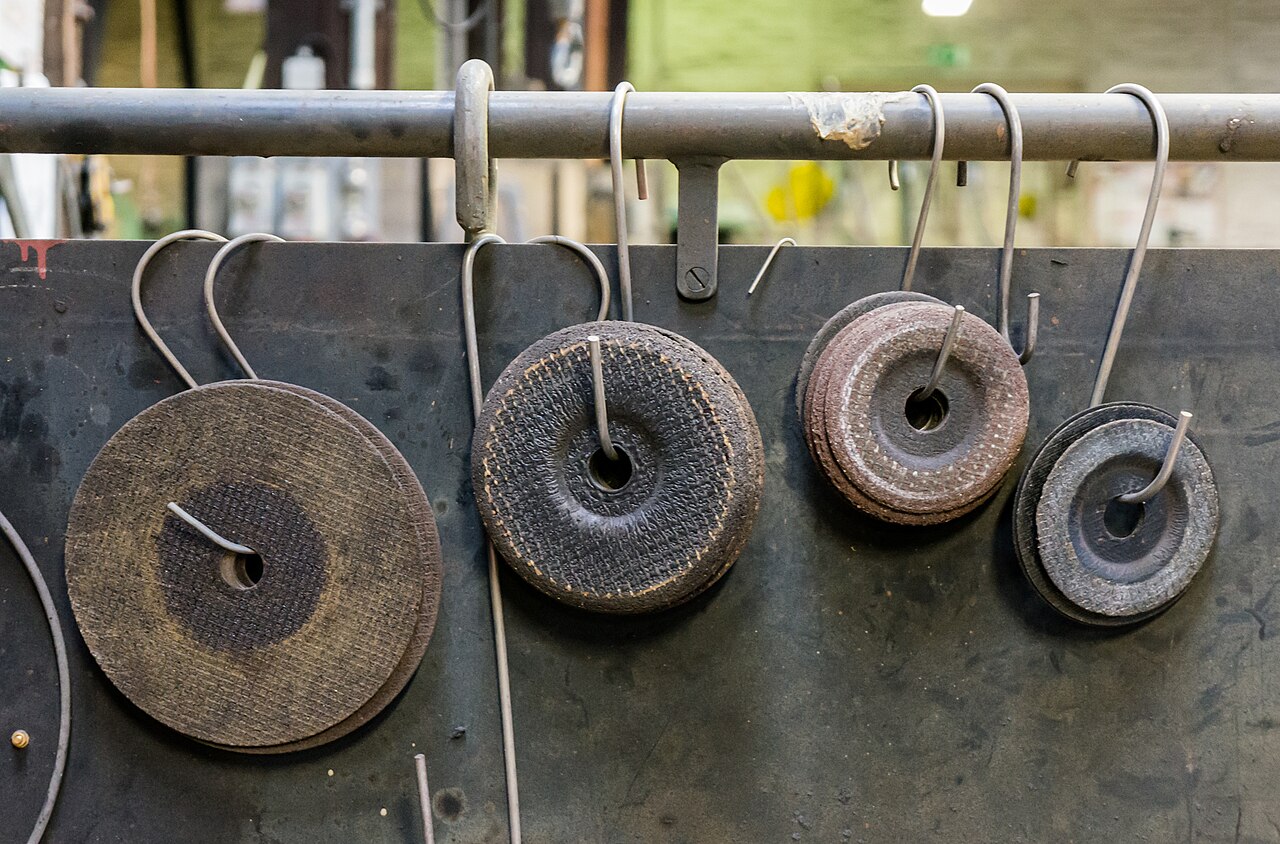
CBN wheels can be a strong option for certain hardened ferrous tool applications where users want long wheel life, good profile retention, and stable productivity. As a practical rule, diamond is typically the standard route for carbide, while CBN is discussed more often for hardened ferrous materials.
How do bond types affect tool and cutter grinding?
Vitrified bond
Vitrified bond is widely associated with shape retention and porosity control. It is often discussed where form accuracy and consistent grinding behavior matter.
Resin bond
Resin bond is frequently used in diamond and CBN routes when buyers need a good cutting feel and finish quality.
Metal bond and electroplated routes
For these routes, product descriptions should stay focused on diamond or CBN.
What happens when the wheel choice is wrong?
- edge chipping or grinding burn
- unstable profile retention
- short dressing interval
- poor finish consistency from batch to batch
- higher grinding force and lower process stability
How Zhongxin helps buyers choose the right wheel
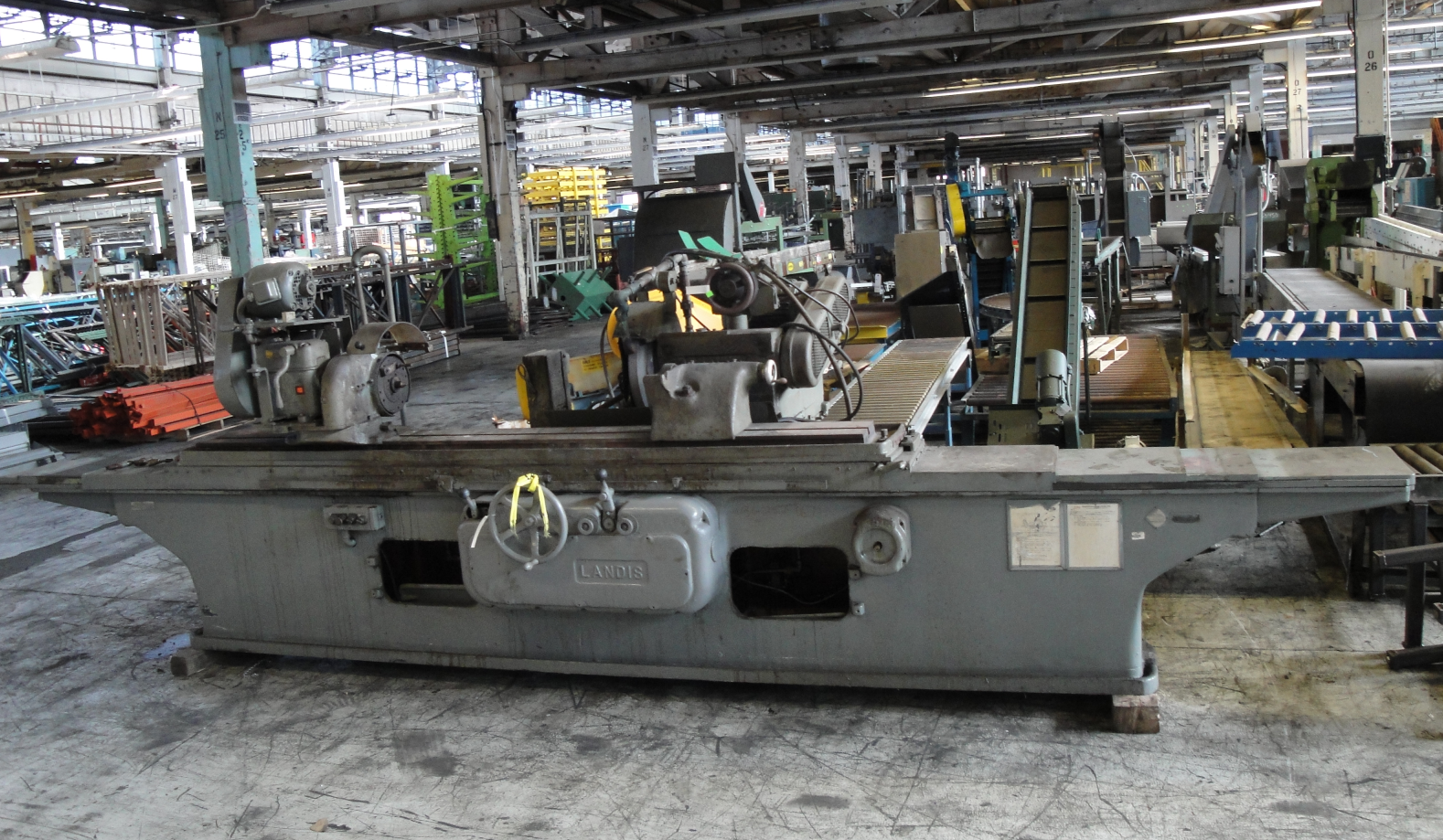
Instead of asking for a generic best wheel, buyers get better results when they share the real process conditions: tool material, tool type, machine type, and the main target such as finish, wheel life, or profile retention.
Conclusion
The best way to choose wheels for tool and cutter grinding is to start with the tool material, then refine the specification by bond type, finish target, profile requirement, and machine condition. For HSS and many tool steels, aluminum oxide families are common starting points. For carbide tools, diamond is usually the standard route. For certain hardened ferrous applications, CBN may offer a strong high-performance option.
发表回复