
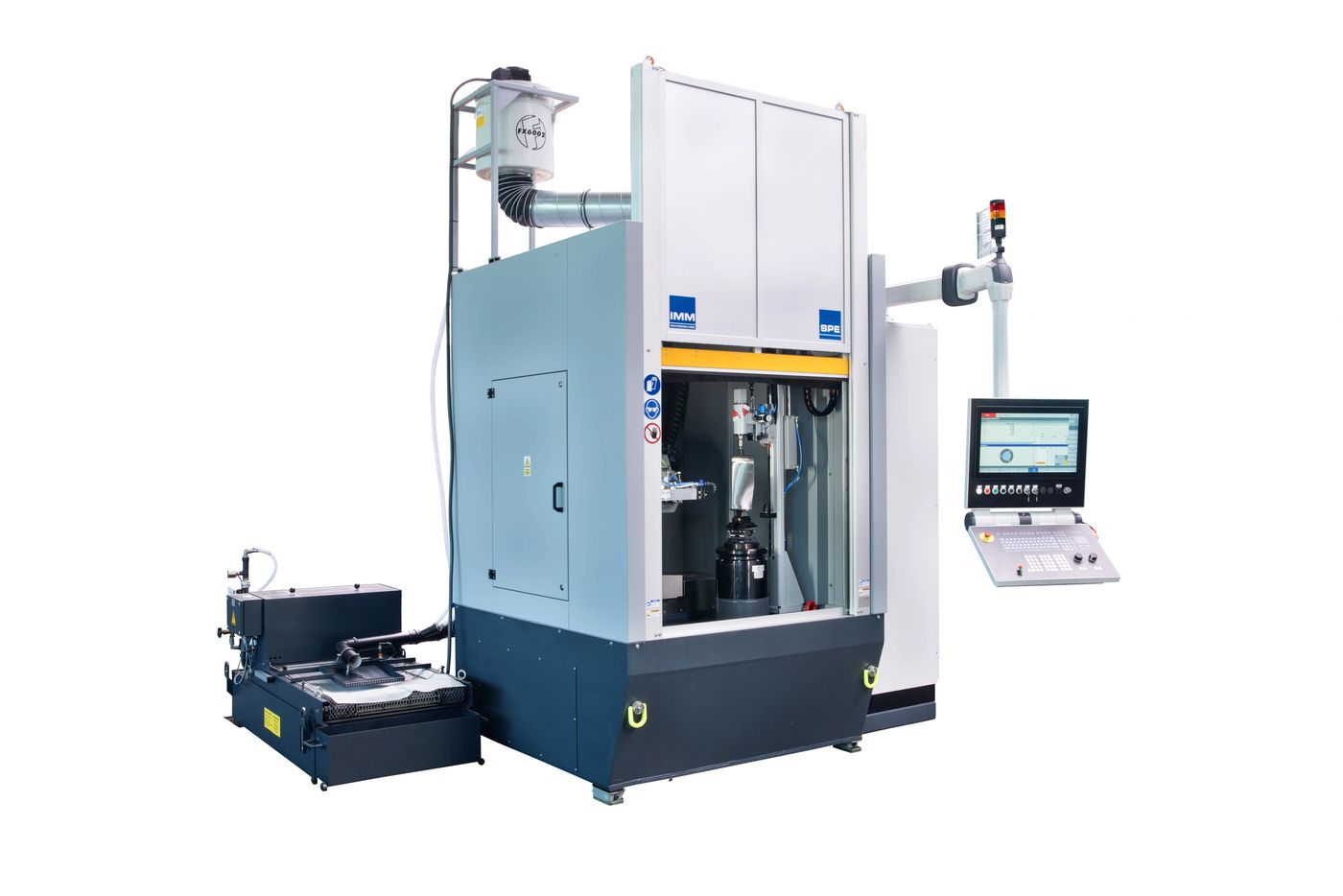
Turbine blade root grinding is one of the more demanding grinding applications in precision manufacturing. Unlike ordinary metal grinding, this process must control not only stock removal, but also root profile accuracy, thermal damage risk, surface integrity, and repeatability across complex blade geometries.
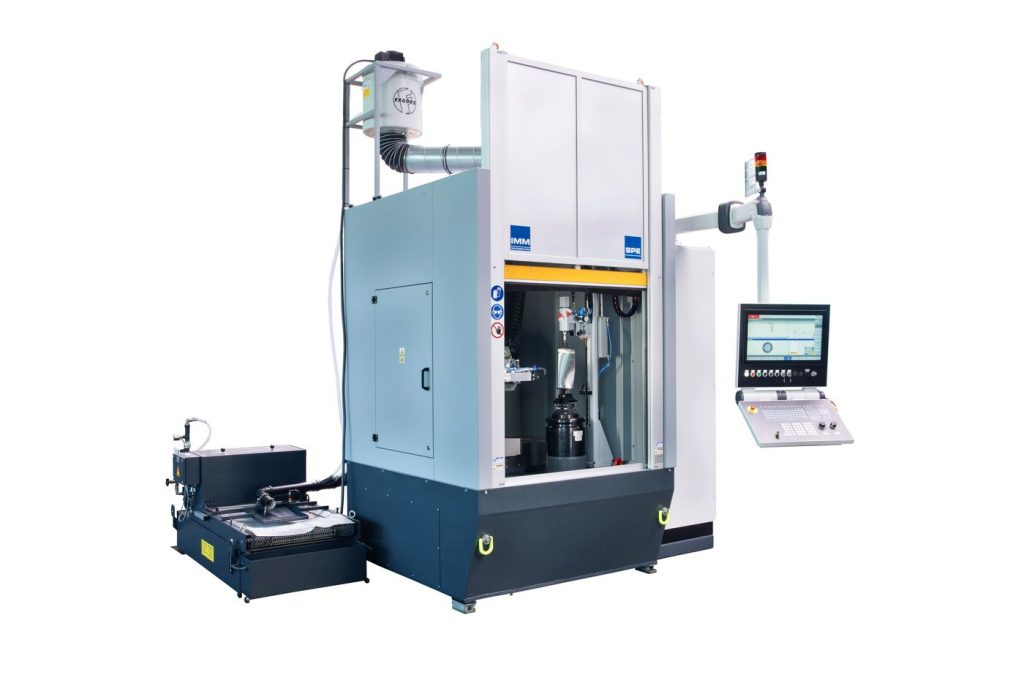
In many aerospace applications, turbine blade roots are ground on nickel-based superalloys or similarly difficult materials. That changes the wheel-selection logic. The best grinding wheel is usually not the cheapest or most aggressive option. It is the one that can cut efficiently while maintaining profile stability and protecting the part surface.
Why turbine blade root grinding is different
The blade root is the attachment area that fits into the disk or rotor slot. Depending on design, the geometry may include fir-tree or dovetail profiles with tight tolerance requirements.
- precise form accuracy
- stable wheel profile after dressing
- low thermal damage risk
- consistent finish and edge quality
- reliable dimensional repeatability
If the wheel is too dull, heat can rise quickly. If the wheel is not stable enough, profile accuracy may drift. In both cases, the result can be costly scrap, rework, or reduced component reliability.
Common material challenge: nickel-based superalloys
Turbine blade root grinding is often associated with nickel-based superalloys. These materials are valued for high-temperature performance, but they are also known for being difficult to grind.
- high grinding energy
- strong heat concentration
- faster wheel wear than ordinary steels
- risk of burn or altered surface condition
- sensitivity to poor coolant access
Because of these factors, grinding wheel sharpness and thermal control become especially important.
What grinding wheel types are most relevant?
Ceramic alumina wheels
For many demanding nickel-alloy grinding applications, ceramic alumina wheels are among the most relevant options to evaluate. Their microfracturing cutting behavior helps expose fresh cutting edges, which can support freer cutting and better heat control than ordinary alumina in difficult alloys.
In practical terms, this often makes ceramic alumina a strong candidate for turbine blade root grinding where both cutting efficiency and surface protection matter.
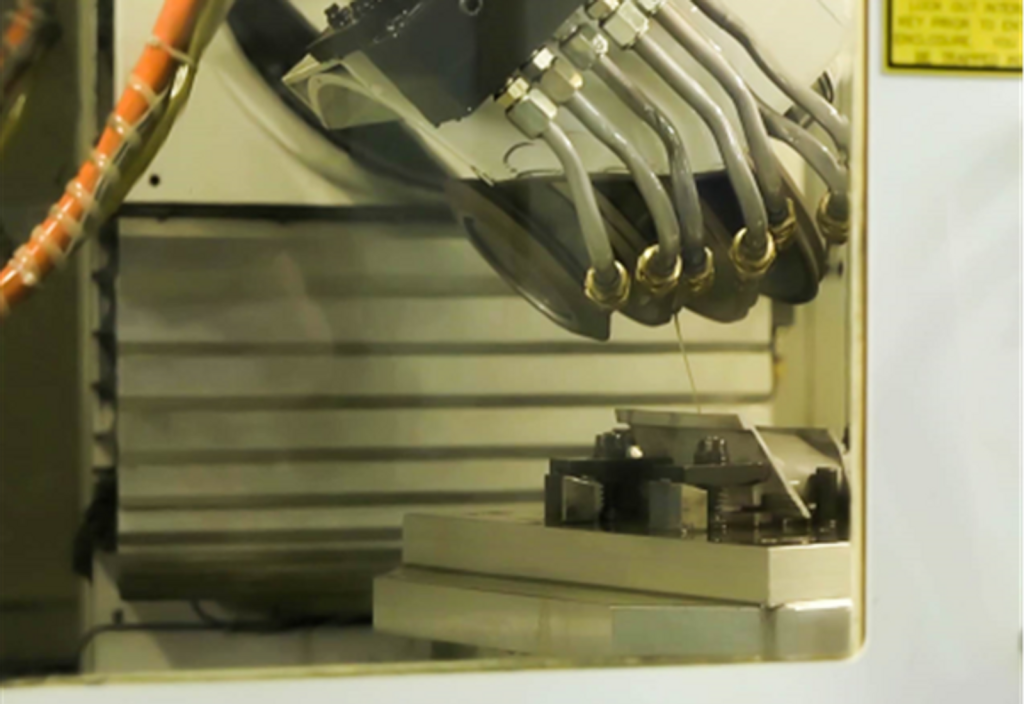
Conventional alumina wheels
Conventional aluminum oxide wheels can still be used in selected grinding applications, especially where cost pressure is high or process demands are less severe. However, for highly demanding blade-root profile grinding, they are not always the first choice because wheel sharpness and life may fall short in difficult superalloys.
CBN wheels
CBN should be discussed carefully. It can be highly effective in many precision grinding systems, especially in hardened ferrous applications. In turbine blade root grinding, CBN may be considered in selected engineered processes, but it should not be presented as the universal default for every nickel-superalloy case.
The final decision depends on machine design, process validation, dressing method, and cost-performance targets.
Diamond wheels
Diamond wheels are generally associated with carbide, ceramics, glass, and other very hard brittle materials. They should not be positioned as the main route for ordinary nickel-based superalloy turbine blade root grinding.
Why bond and structure also matter
Vitrified bond
Vitrified wheels are often preferred in precision profile grinding because they can offer good form retention, controlled porosity, stable dressing response, and repeatable behavior on precision grinding machines.
Wheel porosity and coolant access
In difficult-to-grind alloys, coolant access can be just as important as abrasive type. A wheel structure that supports chip space and coolant penetration can help reduce heat buildup and improve process stability.
Dressing behavior
Dressing affects wheel sharpness, profile accuracy, cutting forces, and finish consistency. Even a good wheel specification can perform poorly if the dressing condition is not matched to the job.

What should buyers look for in a blade-root grinding wheel?
- sharp cutting behavior in nickel-based superalloys
- reliable profile retention after dressing
- bond system suitable for precision form grinding
- wheel structure that supports coolant access
- stable finish and low burn tendency
- compatibility with the actual machine and dressing method
In many cases, the best route is a precision vitrified wheel built around a premium ceramic abrasive concept, but the final specification still depends on the full process.
How to reduce burn and form loss
If burn, profile drift, or short wheel life appears during turbine blade root grinding, wheel selection should be reviewed together with the surrounding process.
- workpiece alloy and hardness condition
- stock allowance
- required geometry and tolerance
- machine rigidity and spindle condition
- coolant nozzle position and flow quality
- dressing tool and dressing frequency
A grinding wheel alone cannot solve every problem, but the wrong wheel can make all of those problems worse.
How Zhongxin can support this application
For a more suitable recommendation, buyers should provide blade material or alloy grade, root geometry type, grinding method and machine type, current wheel specification if available, target finish and tolerance, and any burn, wear, or profile problems observed in production.
Conclusion
The best grinding wheels for turbine blade root grinding are the ones that balance sharp cutting, profile stability, thermal control, and surface integrity. In many demanding nickel-based superalloy cases, premium ceramic-abrasive wheels and precision vitrified bond systems deserve close attention. However, the final choice should always be validated against the actual alloy, machine, dressing method, and geometry requirement.
For aerospace profile grinding, the smartest approach is not to ask only which wheel cuts fastest, but which wheel holds the root form and protects the part most reliably.
发表回复