
Best Grinding Wheels for Aluminum and Soft Non-Ferrous Metals
Choosing the best grinding wheel for aluminum and other soft non-ferrous metals is not just a matter of picking a harder abrasive. In many cases, the biggest problem is wheel loading. Once the wheel face starts to load with soft metal chips, cutting becomes unstable, surface quality drops, and heat rises quickly.
That is why successful wheel selection for aluminum, copper, brass, and similar materials usually depends on three things working together: a suitable abrasive direction, an open wheel structure, and a wheel face that stays free-cutting in production.
Why Aluminum and Soft Non-Ferrous Metals Are Difficult to Grind
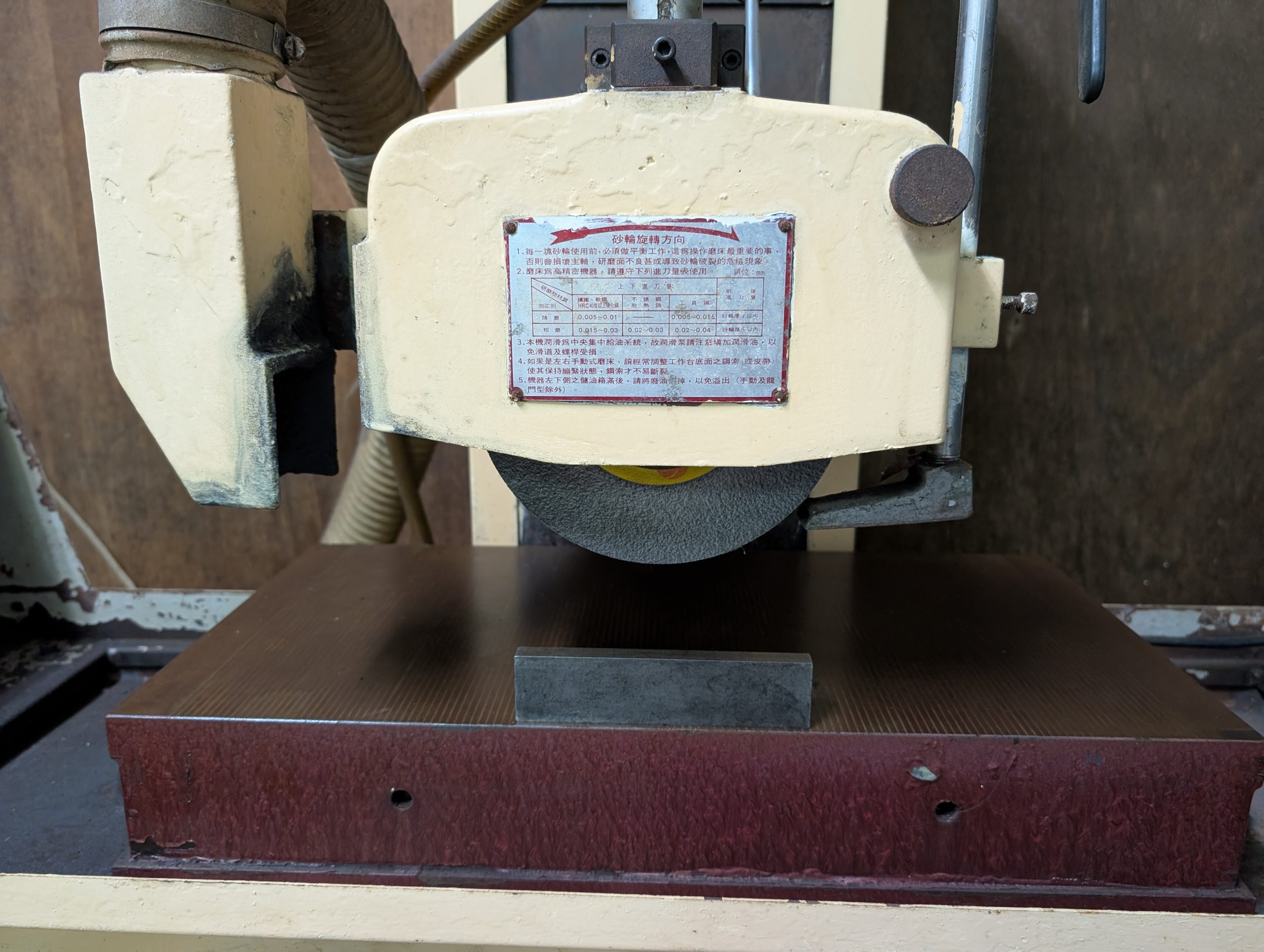
Soft non-ferrous metals often behave differently from many steels in the grinding zone. Instead of breaking away cleanly, chips may smear, adhere to the wheel face, and fill the available chip space.
When that happens, the wheel may stop cutting freely and begin rubbing more than grinding. Common results include:
- wheel loading and clogging
- unstable surface finish
- rising grinding heat
- lower cutting efficiency
- more frequent dressing
- shorter useful wheel life
For this reason, buyers should not judge aluminum grinding wheels by abrasive type alone.
What Makes a Grinding Wheel Suitable for Aluminum?
A suitable wheel for aluminum and soft non-ferrous metals usually needs to stay sharp and open during grinding.
Freer-Cutting Abrasive Behavior
For many non-ferrous grinding applications, a silicon carbide route is often considered because it can provide a sharper, freer-cutting action. This helps reduce the risk of the wheel rubbing and loading too quickly.
However, abrasive choice alone is not enough. A theoretically suitable abrasive can still perform poorly if the wheel structure is too dense for the job.
Open Structure and Chip Space
Open structure is one of the most important ideas in this topic. Soft metal chips need enough space to escape from the grinding zone. If the wheel face is too tight or too closed, loading becomes much more likely.
This is why buyers often need to review wheel porosity together with abrasive family.
Bond, Grade, and Dressing
Bond type, wheel grade, and dressing condition also influence how freely the wheel cuts. A wheel can behave as if it is too hard when loaded chips prevent the abrasive grains from working properly. In practice, dressing and structure are often part of the solution.
Which Grinding Wheel Direction Is Commonly Used for Soft Non-Ferrous Metals?
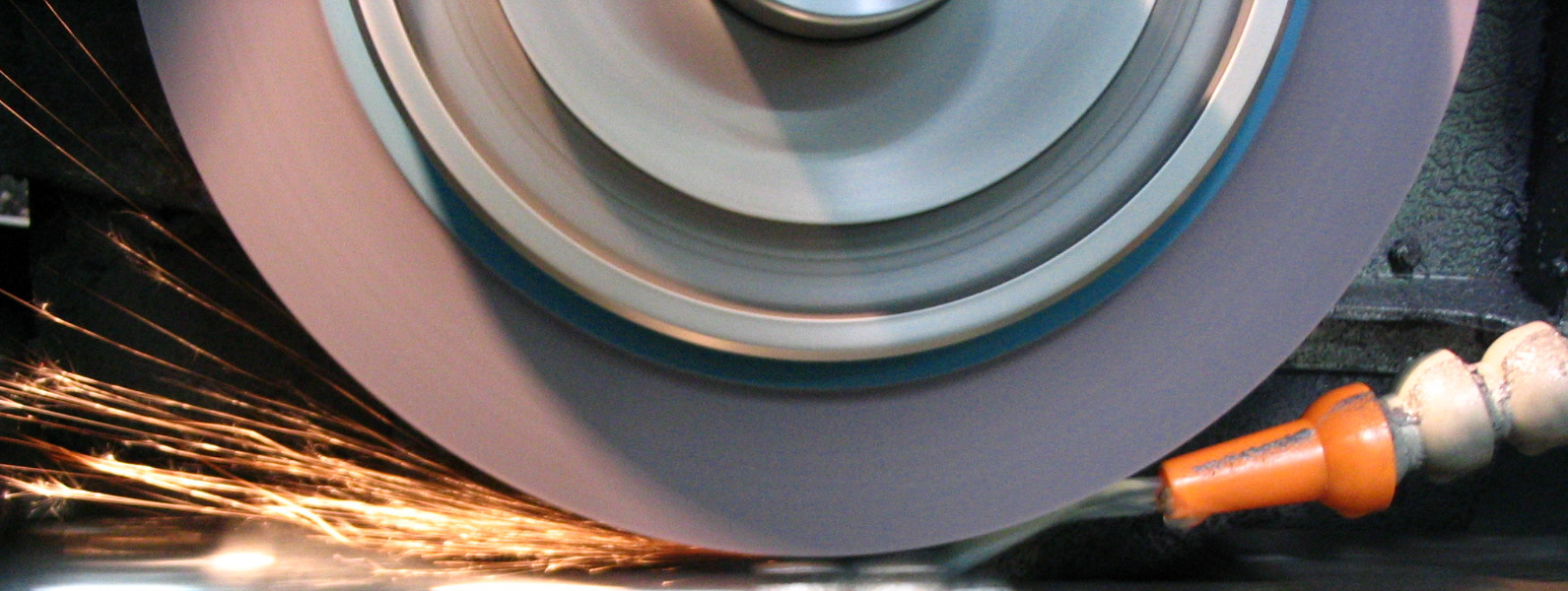
For many aluminum and soft non-ferrous grinding jobs, buyers often review a silicon carbide wheel direction together with an open structure design.
This does not mean there is one universal code for every aluminum alloy, copper part, or brass component. It means the selection logic should focus on:
- freer-cutting behavior
- anti-loading performance
- sufficient chip space
- process stability over time
If the wheel stays clean and cutting remains stable, surface quality and efficiency usually improve as well.
How Should You Choose Wheels for Different Soft Non-Ferrous Materials?
Aluminum and Aluminum Alloys
Aluminum is highly loading-prone in many grinding situations. A common wheel-selection direction is a sharper freer-cutting route with open structure review. Buyers should also consider part geometry, stock removal, and finish requirement before fixing the final wheel specification.
Copper and Brass
Copper and brass can also create smearing and wheel-face contamination problems. Here again, anti-loading behavior is critical. The right wheel route should be selected with attention to wheel openness, dressing condition, and machine setup.
Other Soft Non-Ferrous Parts
For bronze and similar materials, the final answer depends on the exact alloy and process target. The safest technical message is that these applications should be matched by material behavior, not by a one-code-fits-all rule.
How Can You Reduce Wheel Loading in Production?
Even a suitable wheel can perform badly if the operating condition is wrong. To reduce loading, buyers should review:
Dressing Condition
A properly dressed wheel face supports freer cutting and helps reopen chip space.
Coolant Delivery
Coolant can assist chip evacuation and thermal control, but it cannot fully compensate for an unsuitable wheel structure.
Machine Condition and Contact Area
Grinding method, contact length, rigidity, and finish target all affect the final result. That is why wheel recommendation should match the actual machine process.
How Zhongxin Helps Buyers Choose the Right Wheel Route
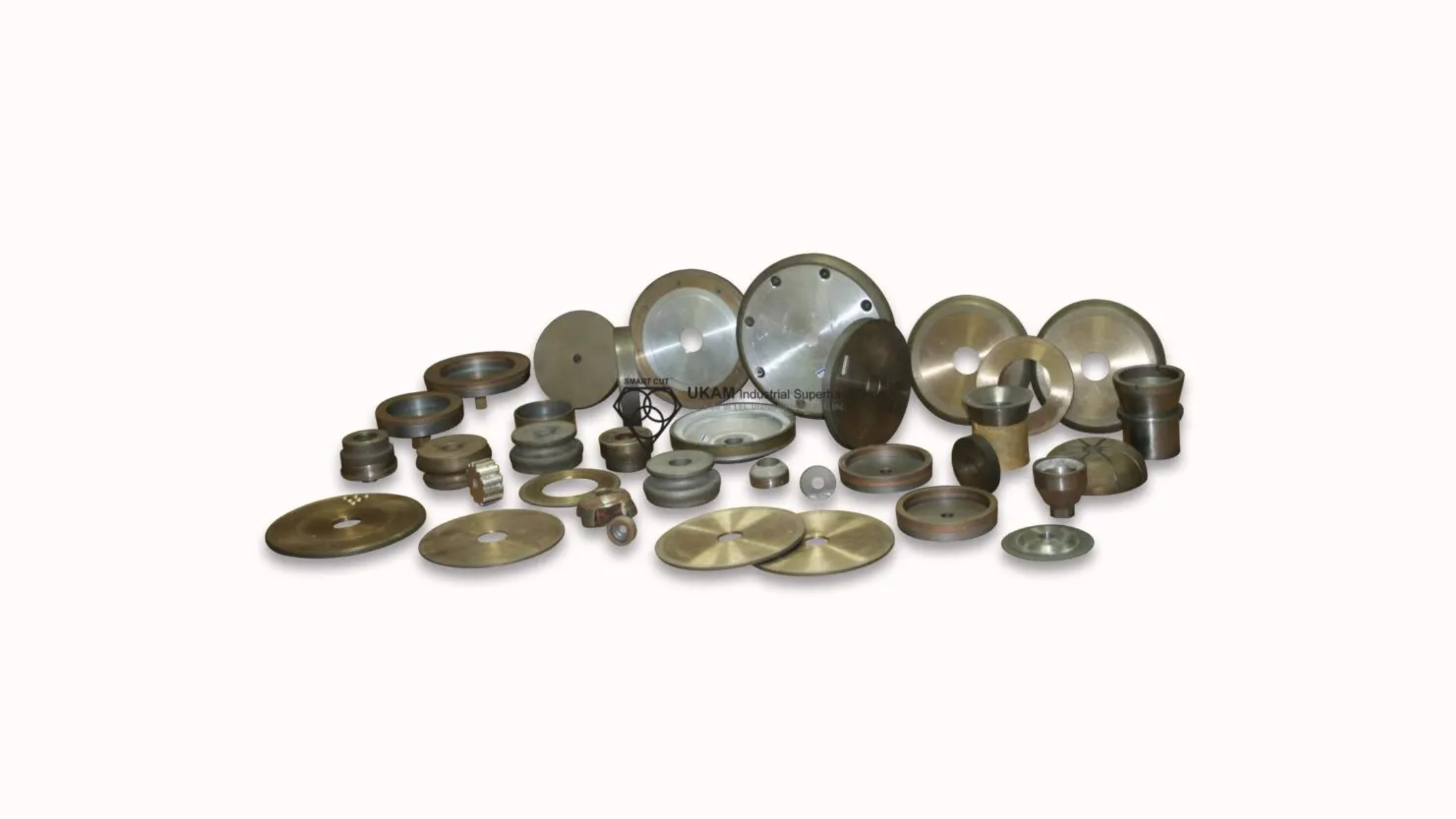
When buyers ask for a recommendation, Zhongxin can evaluate more than just the material name. Helpful details include:
- workpiece material and alloy
- grinding method
- machine type
- current wheel specification
- surface finish target
- loading or burn symptoms
- coolant condition
With this information, the wheel route can be matched more accurately to the process instead of relying on a generic answer.
Conclusion
The best grinding wheel for aluminum and soft non-ferrous metals is usually the one that stays open, sharp, and stable during grinding. In many cases, the real solution is not just a different abrasive, but a better combination of abrasive direction, structure, dressing, and process conditions.
If you are facing wheel loading, poor finish, or unstable grinding on aluminum or other soft non-ferrous materials, send Zhongxin your material, machine, and process details for a more suitable wheel recommendation.
发表回复