
Ceramic bond grinding wheels, also widely called vitrified bond grinding wheels, are a common choice in precision grinding because they combine good form retention, controllable porosity, and stable grinding behavior. In machine-based grinding applications such as cylindrical grinding, surface grinding, centerless grinding, and tool grinding, buyers often look for a wheel that can help balance profile accuracy, heat control, dressing response, and process consistency.
For Zhongxin, ceramic bond wheels should be explained in a practical industrial context. The right specification is not determined by bond alone. Abrasive type, grit size, grade, structure, coolant delivery, dressing condition, and machine setup all influence the final result. That is why buyers usually need application-based selection instead of a one-size-fits-all answer.
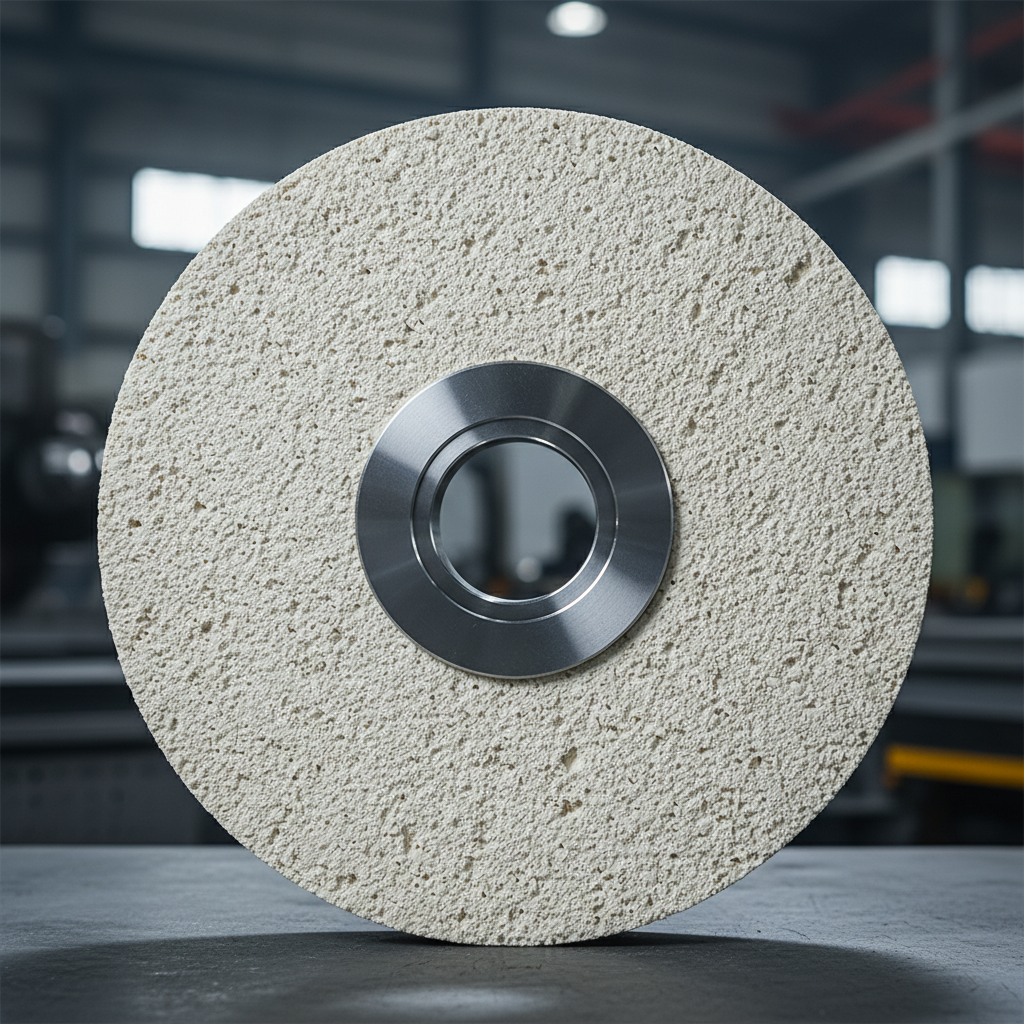
What Is a Ceramic Bond Grinding Wheel?
A ceramic bond grinding wheel uses a vitrified bond system to hold abrasive grains together. In industrial English, “ceramic bond” and “vitrified bond” are often used to describe the same bond family.
Why vitrified bond matters
Vitrified bond wheels are often chosen when users care about:
- good wheel shape retention
- stable geometry in precision grinding
- porosity that helps coolant access and chip evacuation
- predictable dressing behavior
- suitability for CNC and conventional machine grinding
Compared with more elastic bond systems, a vitrified wheel is usually positioned as a more precision-oriented option in many machine grinding processes.
Common abrasive options in ceramic bond wheels
Depending on the workpiece and process, ceramic bond grinding wheels may use different abrasive routes, including:
- WA (white fused alumina / white aluminum oxide)
- A (brown fused alumina / brown aluminum oxide)
- PA (pink fused alumina / chrome fused alumina)
- SA (monocrystalline alumina)
- GC (green silicon carbide)
- C (black silicon carbide)
- CBN in vitrified bond CBN wheels
- Diamond in vitrified bond diamond wheels for suitable hard and brittle material applications
The abrasive must match the workpiece material and grinding objective. For example, diamond is typically discussed for carbide, glass, ceramic, and other hard brittle materials, while CBN is a strong route for ferrous materials such as hardened steel and HSS.
Key Benefits of Ceramic Bond Grinding Wheels
Ceramic bond grinding wheels are widely used because they can offer a balanced combination of performance advantages in precision grinding lines.
1. Good form retention
One of the main reasons buyers choose a vitrified bond grinding wheel is its ability to hold shape well. In profile-sensitive or dimension-sensitive operations, this helps maintain part consistency over longer production runs.
2. Porosity and coolant access
Porosity is a major selling point of ceramic bond wheels. A properly designed porous structure can improve chip space and coolant penetration. In difficult grinding operations, this may help reduce loading tendency and support more stable cutting behavior.
3. Heat resistance and process stability
Ceramic bond systems are commonly associated with stable grinding behavior in precision applications. When wheel specification, dressing, and coolant are matched correctly, the process can be more consistent for dimensional control and surface quality.
4. Predictable dressing response
Dressing is critical in grinding, and vitrified bond wheels are often selected because their dressing behavior is familiar and controllable in many precision applications. A properly dressed wheel face helps restore cutting ability and maintain process stability.
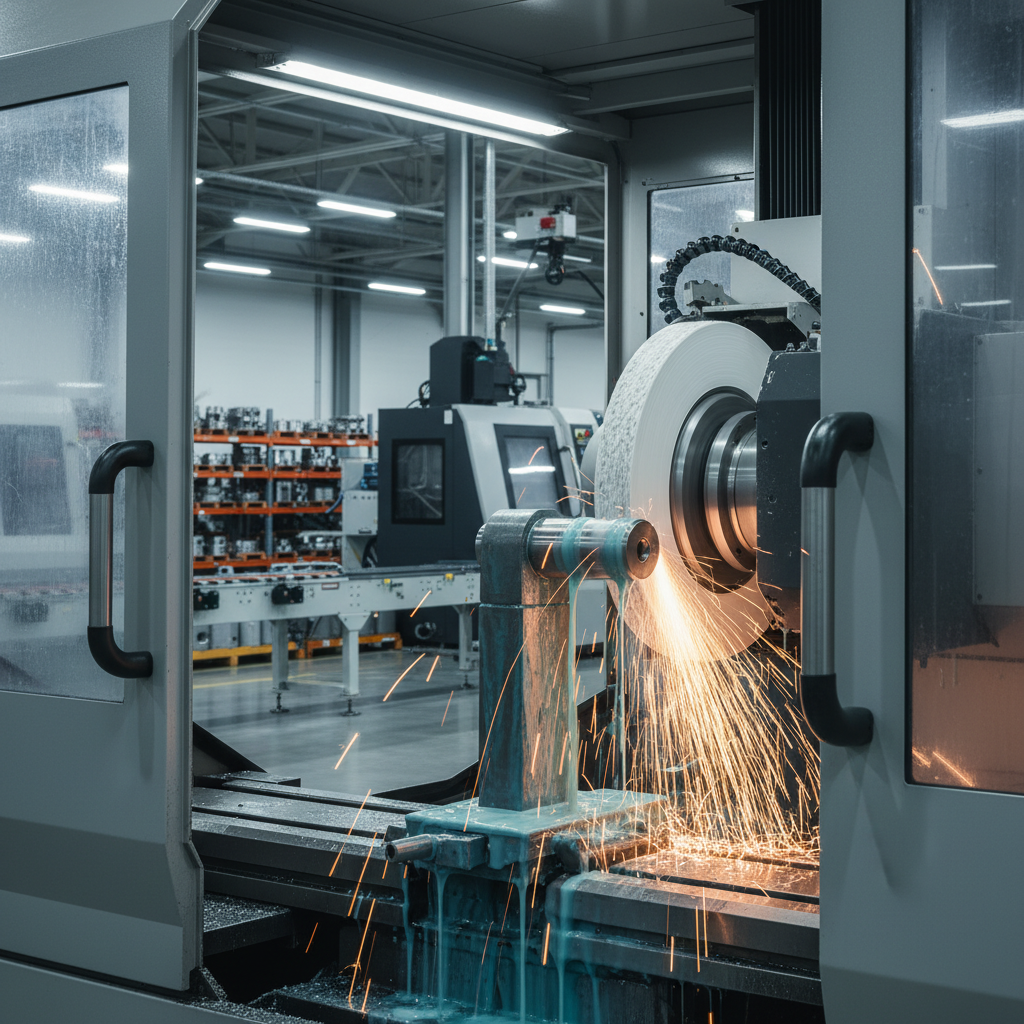
Typical Applications of Vitrified Bond Grinding Wheels
Ceramic bond grinding wheels are not a universal answer for every process, but they are highly relevant in many machine-based grinding scenarios.
Cylindrical grinding
A ceramic bond wheel for cylindrical grinding is often used where roundness, size control, and stable profile matter. Common workpiece examples include alloy steel shafts, bearing components, hydraulic rods, and other precision rotary parts.
Surface grinding
For surface grinding of tool steel plates, mold bases, and hardened parts, vitrified wheels are often used because they can support shape stability and controlled dressing.
Centerless grinding
Centerless grinding operations often require a stable wheel condition over continuous production. In suitable applications, ceramic bond wheels can support consistency and dimensional repeatability.
Tool and cutter grinding
In certain tool grinding applications, vitrified bond systems are used where profile integrity and process control are important.
Precision grinding of hardened steel
For hardened steel, a vitrified bond wheel or a vitrified bond CBN wheel may be considered depending on geometry, production volume, and finish target.
Ceramic Bond vs Other Bond Systems
Buyers often compare ceramic bond grinding wheels with other bond or manufacturing routes. The best explanation is not “better or worse in all cases,” but “different routes for different process targets.”
Ceramic bond vs resin bond grinding wheels
Resin bond grinding wheels are often associated with a freer-cutting feel or application-specific finishing behavior. Ceramic bond grinding wheels are more often highlighted for shape retention, porosity control, and precision grinding stability.
In practical buying discussions:
- choose ceramic/vitrified bond when form retention, dressability, and precision machine grinding matter
- consider resin bond when the application benefits from that bond’s cutting feel, elasticity, or finish behavior
Ceramic bond vs metal bond grinding wheels
Metal bond grinding wheels on Zhongxin’s house writing should stay in the diamond or CBN context. They are often used where wear resistance is important in superabrasive applications. Metal bond is not the same thing as vitrified bond, and it should not be described with ordinary abrasive wording such as WA or GC in product copy.
Ceramic bond vs electroplated grinding wheels
Electroplated grinding wheels are usually single-layer superabrasive products, commonly in diamond or CBN form. They are often chosen for profile fidelity and exposed cutting points, but they are not described like dressable vitrified wheels.
Ceramic bond vs brazed grinding wheels
Brazed grinding wheels, often vacuum brazed diamond wheels, are used in aggressive cutting or profile work where strong grain holding and chip space are important. This route should remain in the superabrasive context and should not be confused with vitrified bond behavior.
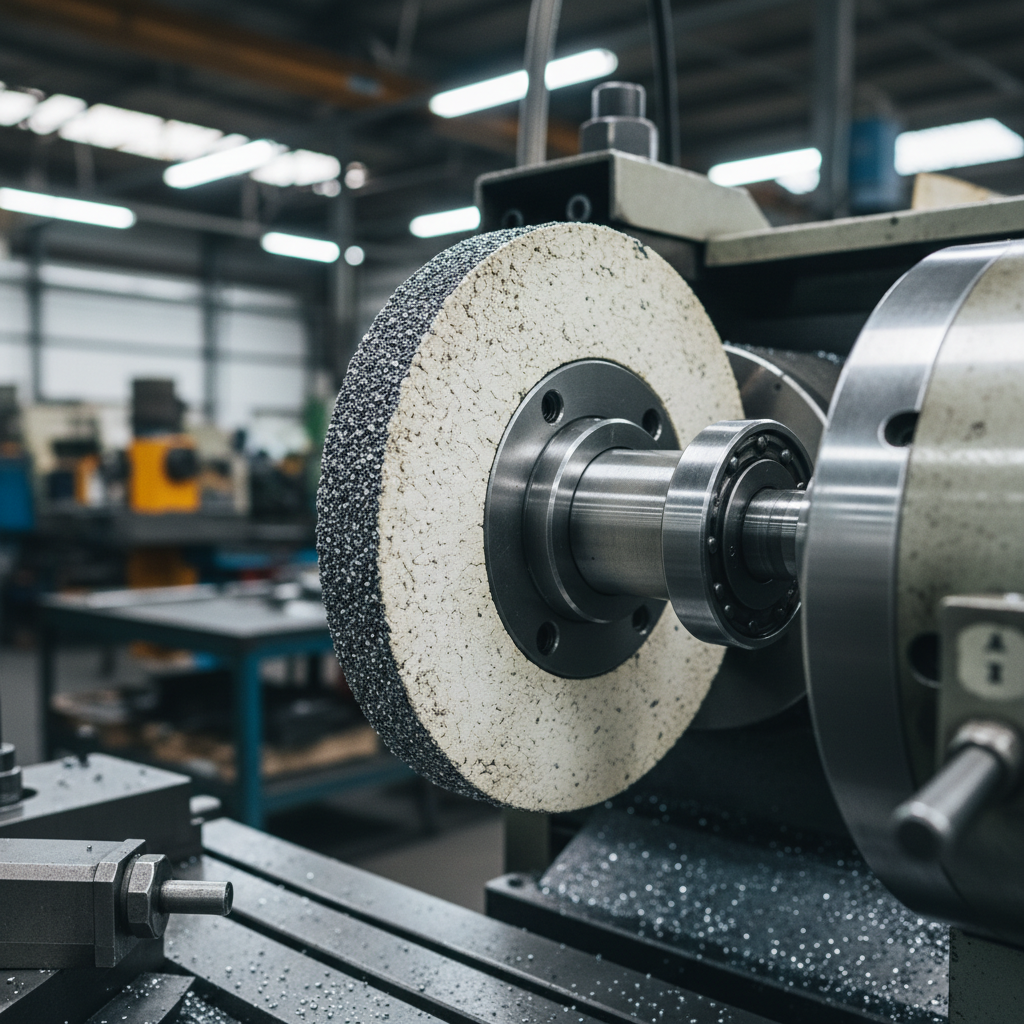
How to Choose the Right Ceramic Bond Wheel
A ceramic bond grinding wheel should be selected by process details, not by bond name alone.
1. Start with the workpiece material
Ask first:
- Is the workpiece carbon steel, alloy steel, bearing steel, HSS, carbide, cast iron, stainless steel, or ceramic?
- Is the material hard, heat-sensitive, brittle, or prone to loading?
This affects whether the abrasive route should be WA, A, PA, SA, GC, C, CBN, or diamond.
2. Confirm the grinding method
Selection changes according to whether the job is:
- cylindrical grinding
- surface grinding
- centerless grinding
- tool grinding
- profile grinding
- gear grinding
The same material may need a different wheel structure or bond route under a different machine context.
3. Consider finish target and geometry control
If the process is highly sensitive to profile accuracy, wheel geometry, or consistency over a production run, a ceramic bond route may be a strong candidate.
4. Evaluate loading, burn, and dressing frequency
If the process suffers from wheel loading, burn, chatter, or very short dressing intervals, the answer may involve more than just switching the bond. Abrasive type, porosity, grade, structure, and coolant delivery all need review.
5. Never guess the speed limit
The final operating speed must follow the wheel marking and confirmed product specification. General references should not be presented as a universal safe limit. If exact speed data is not confirmed for a specific wheel, it is safer to describe selection principles rather than invent numbers.
Common Buyer Questions About Ceramic Bond Wheels
Are ceramic bond wheels the same as vitrified bond wheels?
In most industrial writing, yes. “Ceramic bond grinding wheel” and “vitrified bond grinding wheel” usually refer to the same bond family.
Are ceramic bond grinding wheels always better than resin bond wheels?
No. They are different bond systems. Ceramic bond is often preferred in precision grinding where form retention and dressability matter, while resin bond may be more suitable in applications that favor its cutting feel or finishing behavior.
Can ceramic bond wheels be used with CBN or diamond?
Yes, depending on the product route and application. Vitrified bond CBN wheels are commonly discussed for precision steel grinding. Vitrified bond diamond wheels are used in suitable hard and brittle material applications.
What information should buyers send for selection?
For a more accurate recommendation, buyers should provide:
- workpiece material
- hardness or heat-treatment condition if relevant
- machine type
- grinding method
- wheel size and shape if known
- finish target or tolerance goal
- current problems such as burn, loading, chatter, or short wheel life
Why Zhongxin Positions Ceramic Bond Wheels in Machine Grinding Contexts
For Zhongxin’s site, ceramic bond grinding wheels should stay in industrial machine grinding scenarios, not generic handheld abrasive talk. The right context includes cylindrical grinding machines, surface grinding machines, centerless grinding machines, tool grinding machines, and similar precision processing environments.
This keeps the article aligned with professional buyer intent and helps avoid confusion between industrial grinding wheels and consumer abrasive products.
Conclusion
Ceramic bond grinding wheels are a strong option for many precision grinding applications because vitrified bond systems can offer good form retention, useful porosity, and stable dressing behavior. However, the correct wheel still depends on the full process picture: material, abrasive, grinding method, finish target, and machine condition.
If you are comparing a ceramic bond grinding wheel, a resin bond grinding wheel, a metal bond superabrasive wheel, or an electroplated / brazed route, the best choice is the one that fits your actual grinding application instead of a generic habit.
Zhongxin can help match wheel specification to your machine, workpiece, and grinding target. If you share your material, grinding method, wheel shape, and current defect issues, we can help recommend a more suitable grinding wheel route.
发表回复