


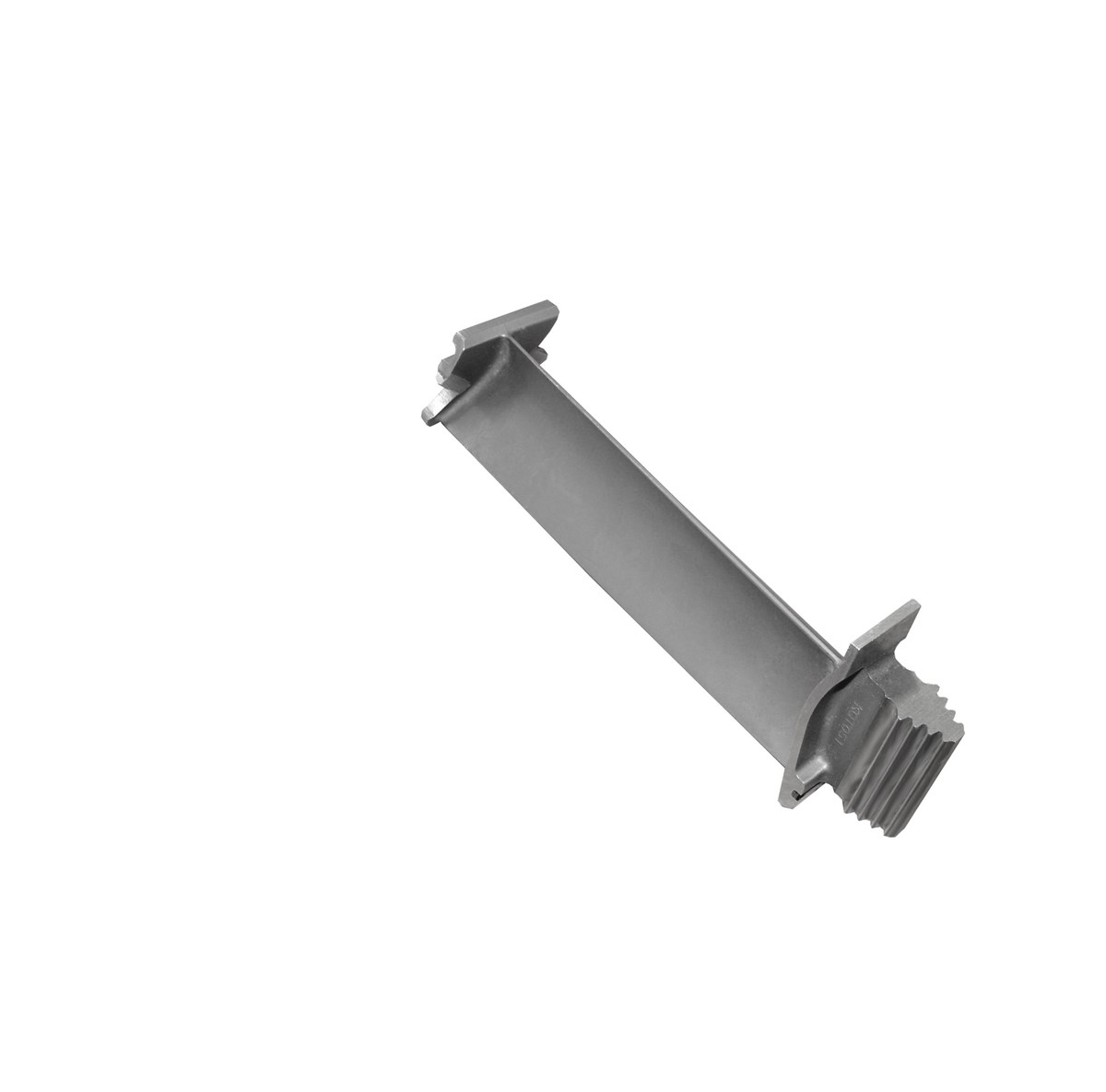
Nickel-based alloy components are among the more difficult parts to grind because they combine high strength, heat resistance, and strong tendency to concentrate grinding heat in the contact zone. In practical production, the challenge is not only to remove material, but to keep wheel sharpness, control thermal damage, and maintain predictable geometry throughout the grinding cycle.
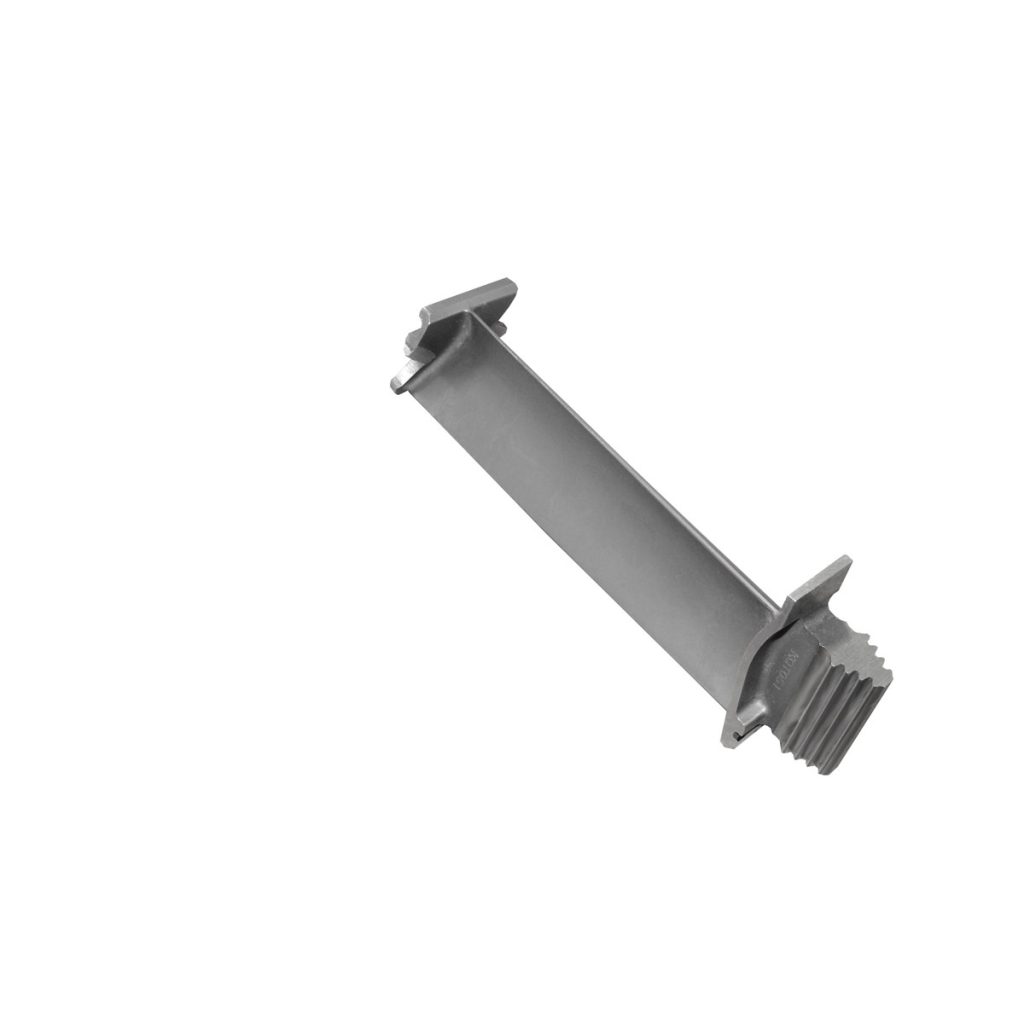
That is why grinding wheel selection for nickel-based alloy components should be based on the real process target instead of a generic recommendation. Aerospace parts, heat-resistant industrial components, and profile-sensitive workpieces all place different demands on abrasive type, bond system, wheel structure, coolant access, and dressing behavior.
Why nickel-based alloys are hard to grind
Nickel-based alloys are valued for their strength retention at elevated temperature, corrosion resistance, and service reliability in demanding environments. Those same qualities also make them difficult from a grinding perspective.
- high grinding energy and heat generation
- greater risk of burn and surface damage
- possible wheel loading and reduced cutting freedom
- faster wheel wear under demanding contact conditions
- tight process window where wheel, coolant, and dressing must work together
For this reason, buyers usually need a wheel solution that balances cutting efficiency with thermal protection and process stability.
Main grinding tasks for nickel-based alloy components
Profile grinding of aerospace and precision parts
Many nickel-based alloy components require accurate form holding, especially when the geometry has narrow radii, curved profiles, or root-like attachment features. In such cases, wheel profile retention and dressing consistency are just as important as removal rate.
Surface and cylindrical grinding
For shafts, rings, or precision surfaces made from nickel alloys, the wheel must resist glazing and keep a stable cutting condition over longer grinding passes.
Finish control on heat-sensitive parts
Where surface integrity matters, the wheel solution must help reduce thermal stress, avoid rubbing, and maintain finish consistency without aggressive burn tendency.
What grinding wheel characteristics matter most
Abrasive type
For difficult nickel-based alloy grinding, premium alumina routes are usually more relevant than ordinary low-cost specifications. Ceramic alumina is often evaluated because its micro-fracturing behavior can expose fresh cutting edges and support freer cutting in superalloy applications.
Conventional aluminum oxide may still be considered in some less demanding cases, but it is not always the strongest route where heat control and wheel sharpness are critical.
Bond type
Vitrified bond is often preferred in precision grinding because it can offer good form retention, controlled porosity, repeatable dressing response, and stable cutting behavior. Resin bond may have a place in certain finishing-oriented applications, but the final decision should be based on machine conditions and the actual grinding objective.
Wheel grade and structure
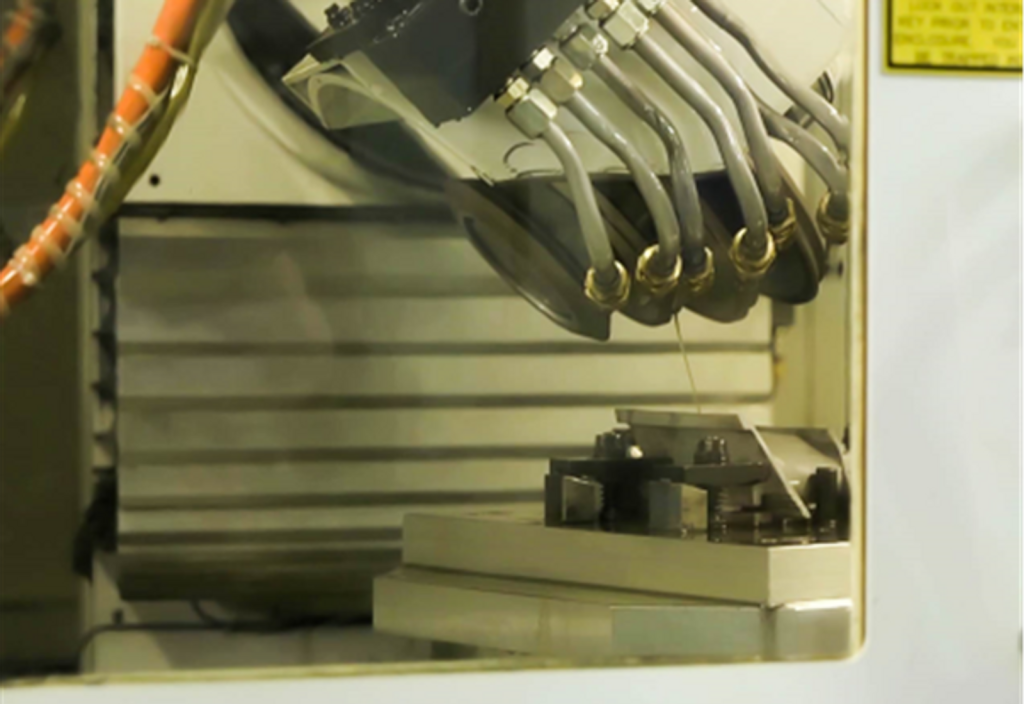
A wheel that is too hard may raise rubbing and heat, while one that is too soft may lose shape too quickly. Open structure or suitable porosity can help chip clearance and improve coolant penetration, which is especially important in nickel-alloy grinding.
Dressing behavior
Even a well-specified wheel can fail if the dressing condition is wrong. Dressing affects sharpness, force level, profile retention, and consistency from one cycle to the next.
Common process risks
Burn and thermal damage
If wheel sharpness, coolant delivery, or dressing are not matched to the material, grinding heat can rise quickly. That may reduce confidence in the part surface and lead to unstable wheel life.
Loading and glazing
Once the wheel starts loading, cutting freedom falls and the process can become less predictable. This often drives earlier dressing and lower efficiency.
Form loss on profile-sensitive parts
Where geometry matters, the wheel solution must hold form well enough to avoid profile drift, tolerance loss, or rework.

Practical selection advice for buyers
Before asking for a recommendation, it helps to prepare the following process details:
- workpiece alloy grade and hardness condition
- whether the task is profile grinding, cylindrical grinding, or finish grinding
- machine type, spindle condition, and rigidity
- required tolerance, surface finish, and form-retention target
- current problems such as burn, wheel wear, loading, or chatter
- dressing method and coolant arrangement
With that information, it becomes much easier to narrow the grinding wheel solution to something that fits real production instead of relying on guesswork.
How Zhongxin supports wheel matching
Zhongxin matches grinding wheel recommendations to the actual component material, grinding method, machine condition, thermal sensitivity, and life target. The goal is not simply to suggest a wheel that can grind nickel-based alloys, but to recommend a wheel route that supports stable production, manageable dressing intervals, and better process confidence.
Conclusion
Grinding wheel solutions for nickel-based alloy components should focus on sharp cutting, heat control, profile stability, and predictable dressing behavior. In many demanding cases, premium abrasive systems combined with a suitable vitrified structure deserve close attention, but the best route still depends on the real machine, part geometry, and production target.
If you share your nickel-alloy grade, grinding method, and current problem, Zhongxin can help narrow the grinding wheel specification for your application.
Need help choosing a grinding wheel for your application?
– Website: https://shalun.net
– Email: root@shalun.net
– WhatsApp / Phone: +86 15538050608