


In precision steel grinding, the wheel decision is rarely about abrasive price alone. Buyers are usually trying to control size, geometry, finish, dressing frequency, and process stability at the same time. That is why vitrified CBN wheels often enter the discussion.
A vitrified CBN wheel is not the automatic answer for every steel job. Many applications are still well served by conventional vitrified alumina wheels. But when hardened steel parts, tighter tolerances, and longer production consistency become the real priorities, vitrified CBN can become a much more attractive route.
What Is a Vitrified CBN Wheel?
CBN, or cubic boron nitride, is a superabrasive widely associated with demanding steel and other ferrous grinding applications. In practical terms, buyers usually consider CBN when conventional wheels begin to struggle with form retention, process stability, or long-run consistency in harder steel-grinding work.
The vitrified bond side of the wheel also matters. Vitrified bond is valued in many precision grinding applications because it offers strong shape retention and controllable wheel structure. That makes it especially relevant in machine-based grinding environments where geometry control and repeatability are important.
Together, CBN and vitrified bond form a route that is often chosen for precision steel grinding, especially when the process must remain stable over time rather than simply remove material at the lowest purchase cost.
CBN as a superabrasive for steel grinding
For hardened steel and other demanding ferrous materials, CBN gives buyers a superabrasive option when a conventional wheel route no longer keeps the process stable enough.
Why vitrified bond matters in precision applications
Vitrified bond supports wheel structure and porosity control, which is one reason it is often discussed in precision grinding applications where wheel shape retention matters.
Why Precision Steel Grinding Creates Different Demands
Precision steel grinding is different from general grinding because the process is usually judged by more than stock removal. The customer may need stable roundness, controlled profile, repeatable size, and dependable surface quality across an entire batch.
This becomes even more important when the workpiece is hardened steel. Shafts, bearing components, tool steels, and other high-demand parts often place more pressure on the wheel system. In these conditions, wheel wear behavior, dressing frequency, and thermal control can directly affect productivity and part quality.
That is why many buyers start comparing vitrified CBN with conventional vitrified wheels. The question is not simply which wheel cuts. The real question is which wheel maintains the required result more consistently.
Form retention and geometry stability matter
If the process depends on holding wheel geometry over longer runs, vitrified CBN may offer a stronger route than conventional wheels that need more frequent dressing correction.
Dressing frequency affects total process cost
Some shops focus on initial wheel price, but production cost is also influenced by interruptions, wheel maintenance, and part-to-part consistency.
When Do Vitrified CBN Wheels Make Sense?
Vitrified CBN wheels become especially relevant in hardened-steel precision grinding applications. If the workpiece is hard, the tolerance target is tight, and the process must remain stable over long runs, a superabrasive route may offer stronger overall value.
They are also attractive when form retention is a major concern. In precision cylindrical grinding, internal grinding, surface grinding, and similar machine-tool applications, wheel geometry matters. If the process loses form too quickly with a conventional route, the cost of frequent correction may be higher than it first appears.
Another strong reason to consider vitrified CBN is dressing frequency. Some shops focus on initial wheel price, but production cost is also influenced by interruptions, wheel maintenance, and part-to-part consistency. In suitable applications, a vitrified CBN route may reduce those process burdens.
Tight-tolerance cylindrical grinding
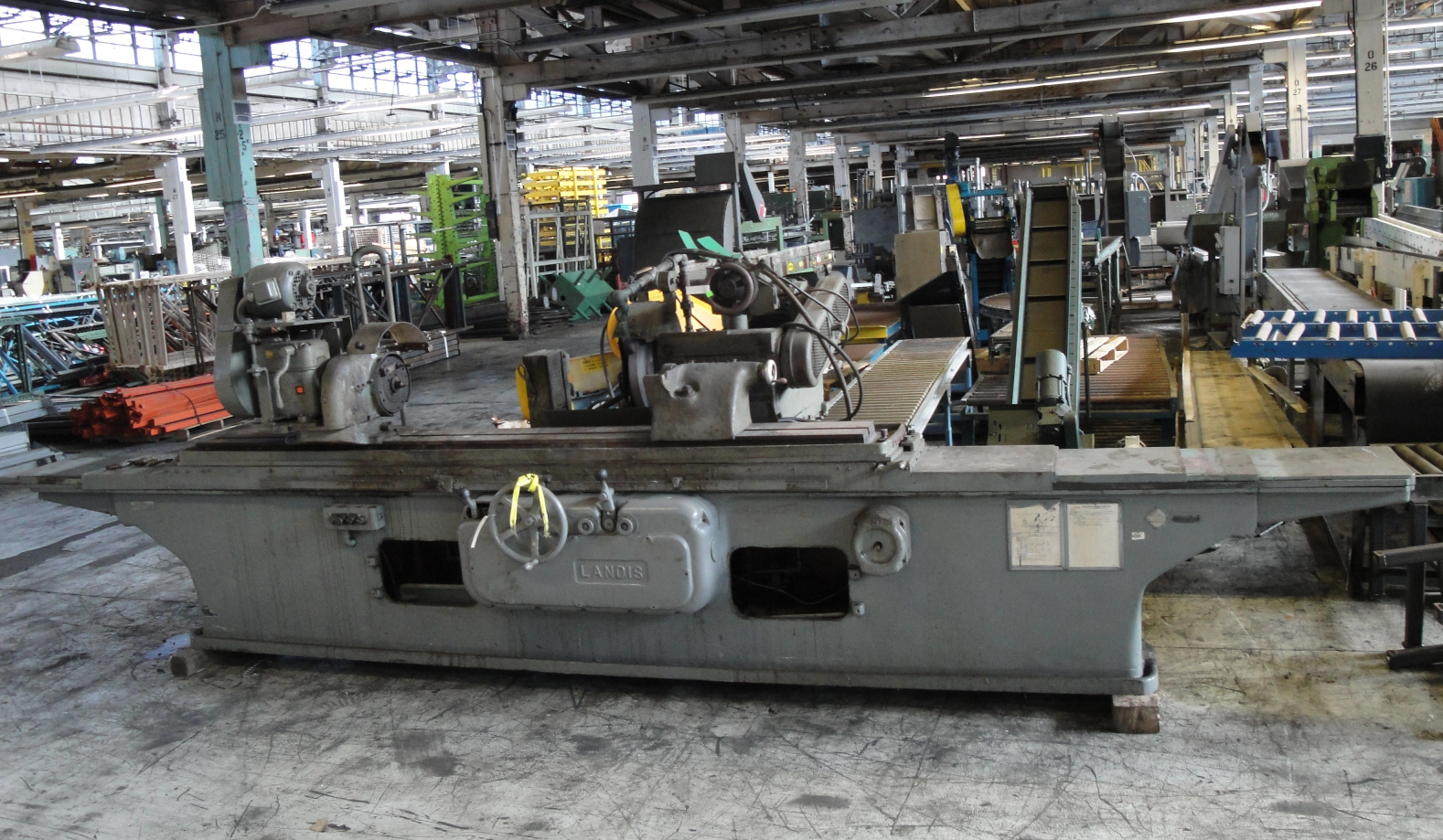
For cylindrical grinding of hardened steel shafts and similar parts, buyers often look for stronger consistency over longer runs rather than only lower initial wheel cost.
Internal and surface grinding of hardened steel parts
These machine-tool applications frequently put more emphasis on geometry stability, finish consistency, and process repeatability.
When Is a Conventional Vitrified Wheel Still Enough?
Not every steel-grinding job needs vitrified CBN. Conventional vitrified alumina wheels remain a valid choice for many general steel applications, especially when production is more flexible and tolerance demands are moderate.
They may also be the better choice in lower-volume workshops or in mixed-part production where process conditions change frequently. In such cases, a conventional wheel can still provide practical performance with a simpler cost structure.
It is also important not to blame every grinding problem on the abrasive class. Poor dressing, wrong wheel grade, weak coolant delivery, or machine vibration can all create defects that a CBN upgrade alone will not solve.
What Should Buyers Evaluate Before Choosing a Vitrified CBN Wheel?
A useful supplier discussion should begin with the real application. Buyers should be ready to provide the steel grade, hardness condition, grinding method, machine type, and current wheel route. It is also helpful to share whether the main problem is burn tendency, size drift, short dressing interval, unstable finish, or another issue.
- Steel grade and hardness condition
- Grinding method such as cylindrical, internal, surface, or centerless grinding
- Machine type and coolant delivery condition
- Dressing method and expected dressing interval
- Tolerance, finish, and batch size targets
How Zhongxin Approaches the Decision
Zhongxin’s practical position is straightforward: wheel selection should be based on application needs, not on marketing labels. Conventional vitrified wheels remain important in many steel-grinding jobs. Vitrified CBN becomes more attractive when hardened-steel precision grinding places stronger demands on form retention, repeatability, and process consistency.
That is why the most useful recommendation starts with the real grinding conditions rather than a universal promise.
Conclusion
Vitrified CBN wheels are best understood as a precision solution for selected steel-grinding applications. They are not a universal default, but they can become a strong route when hardened steel, tight geometry control, long-run consistency, and dressing efficiency matter more than the lowest initial wheel price.
For buyers in precision steel grinding, the better question is not “Is CBN premium?” The better question is “Does this process truly need the stability and form retention that vitrified CBN can offer?”