


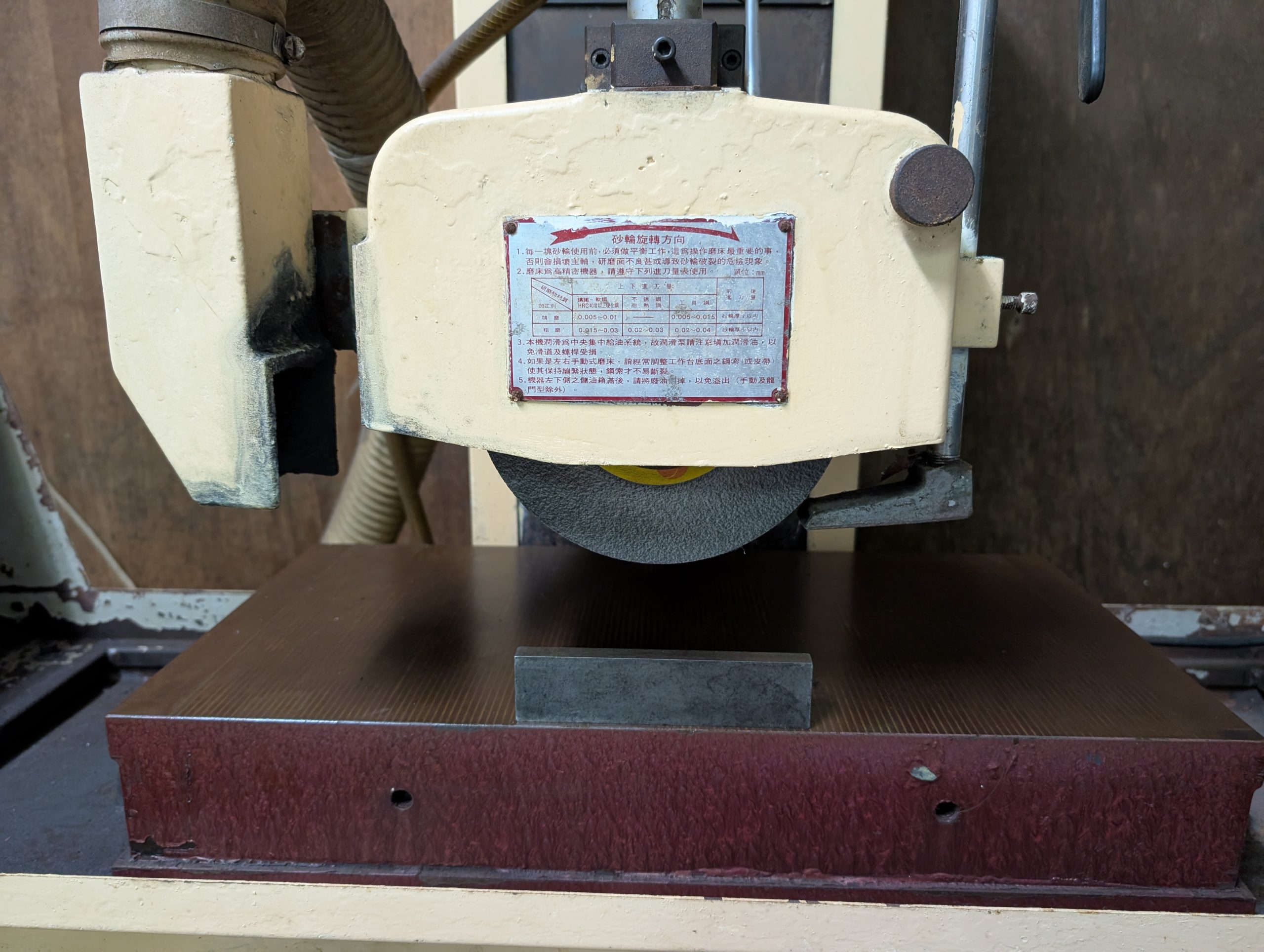
Surface grinding defects are rarely caused by a single factor. Burn marks, chatter, rough finish, wheel loading, or fast wheel wear usually come from an interaction between the grinding wheel, dressing condition, mounting accuracy, coolant condition, machine stability, and workpiece behavior.
For most buyers, the practical first step is not random trial and error. It is structured diagnosis. When the symptom is clear and the wheel route is reviewed together with setup conditions, it becomes much easier to decide whether the next correction should focus on abrasive type, grade, structure, dressing, or balance.
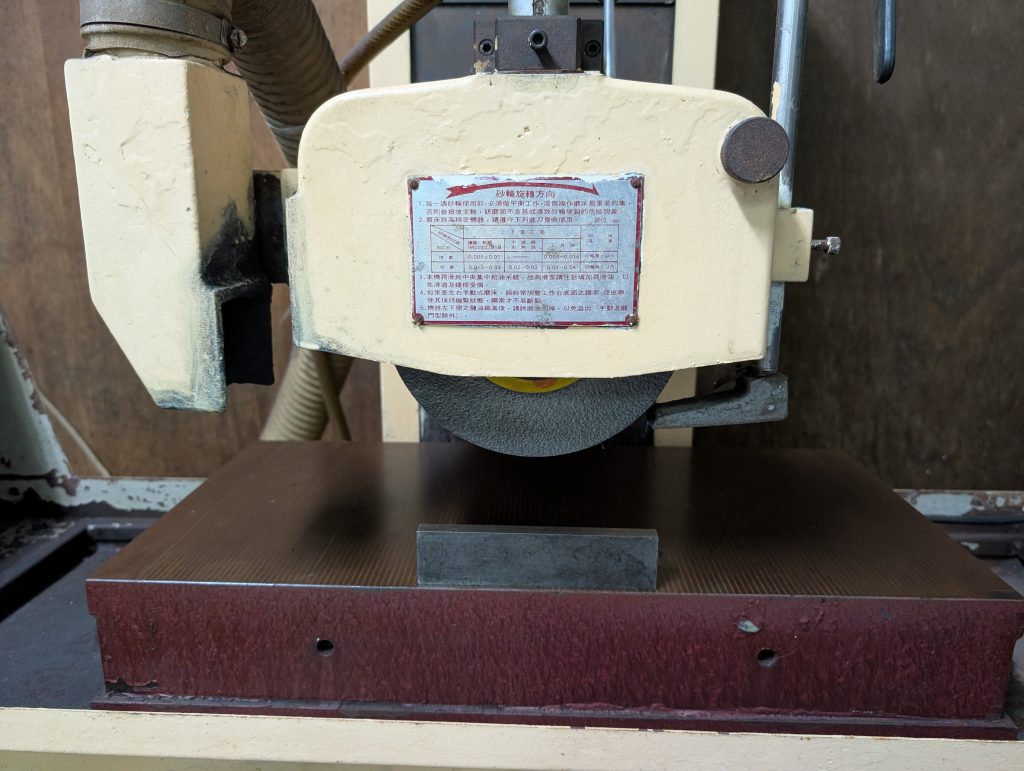
Why Do Surface Grinding Defects Happen?
One symptom can come from more than one cause
A rough surface finish may come from a dull wheel, a glazed wheel face, weak dressing, vibration, or an unsuitable grade. Grinding burn may be linked to rubbing, loading, heat concentration, or a wheel that is too hard or too closed for the application.
That is why buyers should avoid one-cause assumptions. The visible defect is only the starting point.
Wheel-related diagnosis is often the fastest place to start
In many workshops, reviewing wheel specification, dressing condition, and wheel mounting is faster than beginning with major machine disassembly. This does not mean the wheel is always the only root cause. It means the wheel route is often the most practical first checkpoint.
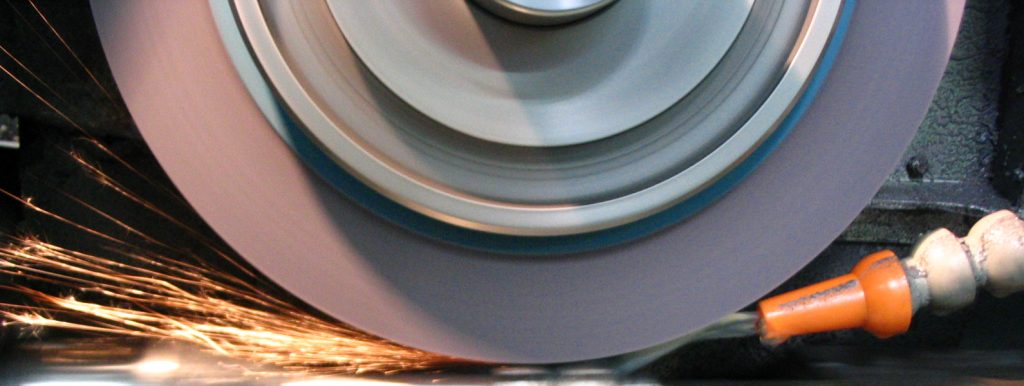
What Are the Most Common Surface Grinding Defects?
Rough or inconsistent surface finish
This is one of the most common complaints in flat grinding operations.
Possible wheel-related causes include:
- a dull or glazed wheel face
- a grade that is too hard for the job
- a structure that is too dense for the material behavior
- poor or inconsistent dressing
Possible correction logic includes:
- reviewing whether the wheel is too hard or too dense
- improving dressing sharpness and dressing frequency
- considering a freer-cutting abrasive route when rubbing is likely
Grinding burn and heat marks
Burn usually indicates that the process is generating more heat than the setup can control.
Possible wheel-related causes include:
- rubbing instead of clean cutting
- wheel loading and clogging
- a grade that holds dull grains too long
- a structure that is too closed for a heat-sensitive or loading-prone material
Possible correction logic includes:
- moving toward a freer-cutting route
- evaluating a more open structure or higher porosity where appropriate
- reviewing dressing condition together with wheel specification
Chatter marks and waviness
Chatter does not always mean the machine itself is failing. Wheel balance, mounting quality, and wheel-face condition can all increase vibration sensitivity.
Possible wheel-related causes include:
- imbalance
- poor flange contact or dirty mounting surfaces
- inconsistent dressing
- a wheel specification that increases grinding force
Possible correction logic includes:
- checking wheel balance and mounting condition
- confirming dressing consistency
- reviewing whether the current wheel route is too force-heavy for the machine setup
Wheel loading and clogging
Loading is especially common on materials that smear, stick, or produce chips that do not clear easily.
Possible wheel-related causes include:
- a structure that is too dense
- an abrasive route that does not suit the workpiece material
- poor chip clearance at the contact zone
Possible correction logic includes:
- evaluating a more open wheel structure
- reconsidering abrasive family selection
- using big-porosity logic on loading-prone materials instead of changing only the grade
Excessive wheel wear or short dressing interval
Fast wheel wear may point to a wheel that is too soft, but buyers should not jump to that conclusion without checking the full process.
Possible wheel-related causes include:
- a grade that is too soft for the workload
- an abrasive route that does not match the material
- process instability that makes normal wear look worse than it is
Possible correction logic includes:
- reviewing grade and abrasive family together
- separating true wheel wear from vibration or dressing problems
- checking whether the machine condition is accelerating wheel consumption
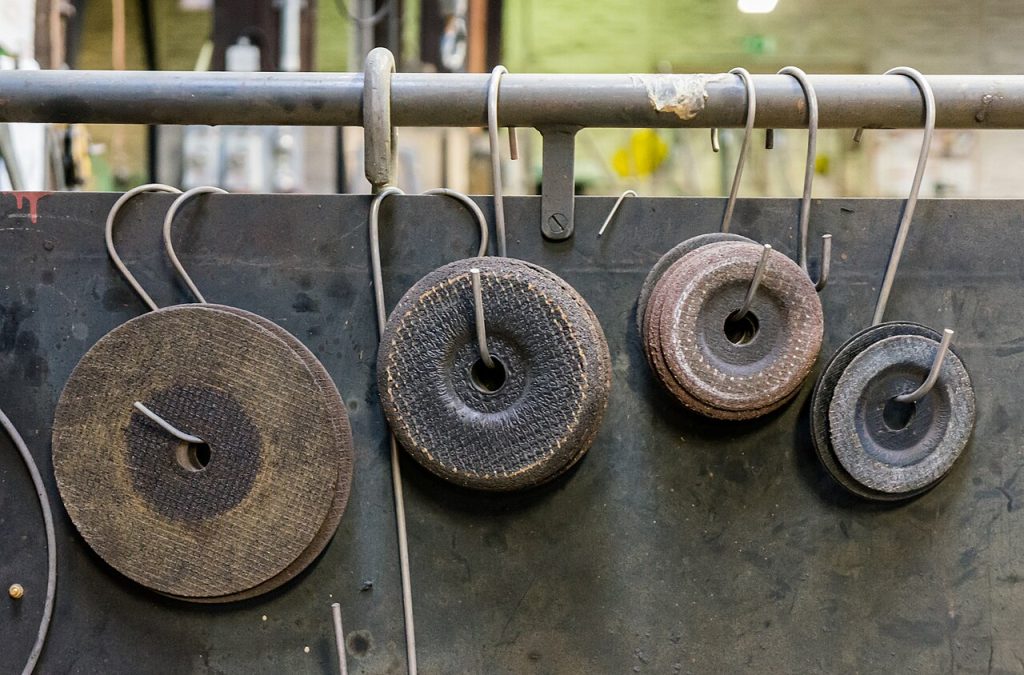
How Can Wheel Selection Help Fix These Problems?
Abrasive type matters
The abrasive family should match the workpiece and grinding objective. If the wheel is fundamentally mismatched to the material, other corrections may only provide limited improvement.
Grade and hardness logic matters
A wheel that is too hard may rub and generate heat before it releases worn grains. A wheel that is too soft may lose form too quickly. Grade review should always be tied to the actual symptom.
Structure and porosity matter
For loading-prone or heat-sensitive applications, structure can be as important as abrasive type. A more open wheel can improve chip clearance and help reduce heat concentration.
Dressing condition matters
Even a suitable wheel can perform badly when the wheel face is not conditioned correctly. Dressing quality affects sharpness, cutting behavior, and surface finish stability.
Balance and mounting still matter
If the wheel is not balanced or mounted on clean, correct contact surfaces, the defect may persist even when the wheel specification looks correct on paper.
What Information Should Buyers Send Zhongxin for Diagnosis?
To help diagnose a surface grinding defect more accurately, buyers should prepare:
- workpiece material and hardness condition
- grinding machine type
- current wheel code, bond, and structure route if known
- a photo or clear description of the defect
- dressing method and dressing interval
- coolant condition
- whether the problem appears immediately or after production time
With that information, Zhongxin can review whether the better next step is a change in abrasive type, grade, structure, dressing logic, or mounting review.
Conclusion
Better defect control starts with structured diagnosis, not guesswork. Many common surface grinding defects can be reduced when buyers review wheel selection together with dressing, balance, coolant, and process stability.
If you are dealing with rough finish, grinding burn, chatter, loading, or fast wheel wear, send Zhongxin your material, machine, and current wheel details. We can help you evaluate a more suitable wheel route for more stable grinding results.
Need help diagnosing a surface grinding problem?
- Website: https://shalun.net
- Email: root@shalun.net
- WhatsApp / Phone: +86 15538050608