


Many buyers treat dressing as routine maintenance, but in precision grinding it is one of the fastest ways to restore real cutting ability. Proper dressing helps reopen the wheel face, expose active abrasive grains, improve chip clearance, and stabilize form and finish. When dressing is neglected, the wheel is more likely to rub instead of cut, which raises heat and increases the risk of loading, glazing, burn, chatter, and unstable size control.
For overseas buyers and plant engineers, dressing is not just a workshop habit. It is closely connected to wheel performance, defect prevention, dressing frequency, and total grinding cost.
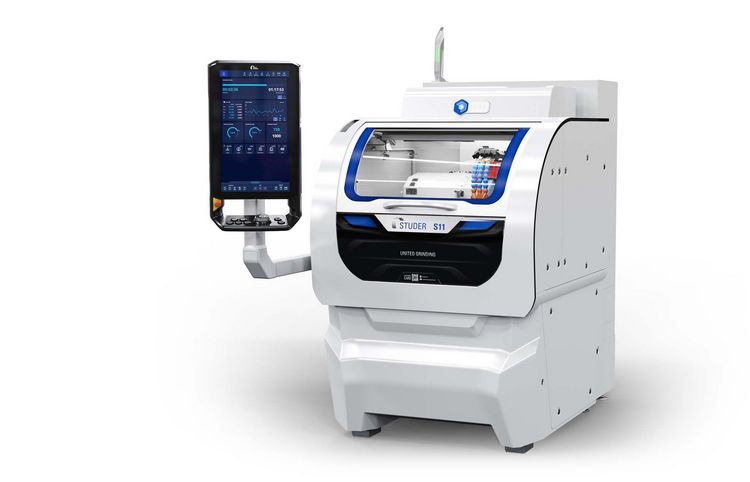
What Is Grinding Wheel Dressing?
Grinding wheel dressing is the process of conditioning the wheel face so it can cut effectively again. In practical terms, dressing removes loaded material, breaks away dull areas, and restores the wheel surface condition needed for stable grinding.
Dressing versus wheel replacement
Dressing is not the same as replacing the wheel. In many applications, a correctly selected wheel can continue working well after proper dressing because the wheel face is renewed without changing the whole wheel.
Why dressing matters in precision grinding
In surface grinding, cylindrical grinding, and centerless grinding, process stability depends heavily on the condition of the wheel face. A poorly conditioned wheel can increase friction and heat even if the rest of the setup looks acceptable.
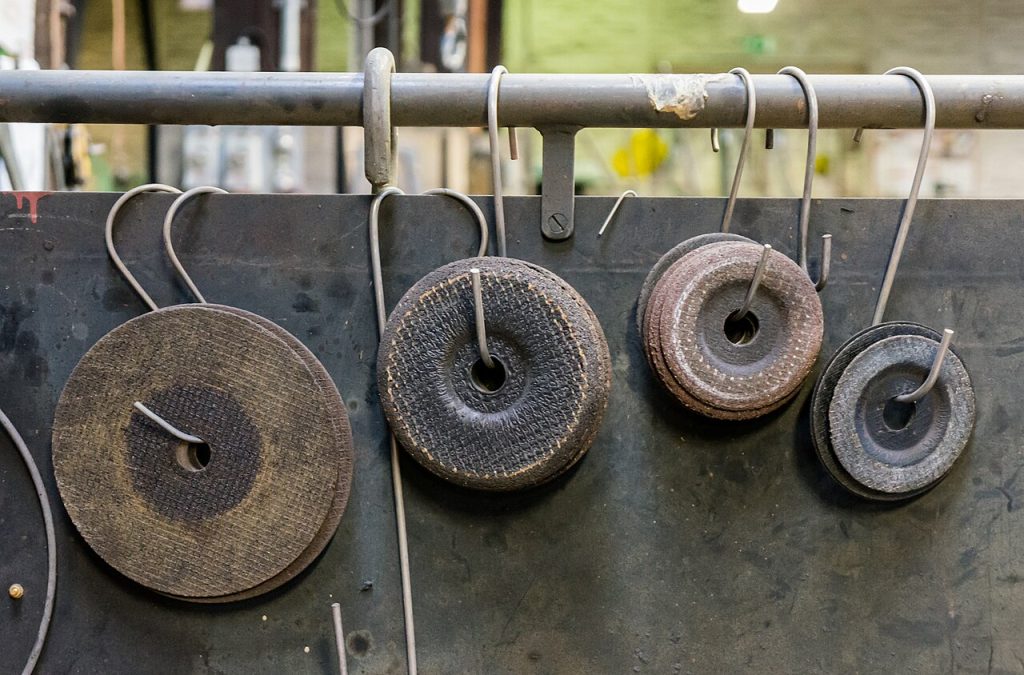
How Does Dressing Improve Grinding Performance?
Restoring sharp cutting action
A dressed wheel exposes more effective cutting points. Instead of rubbing over the workpiece surface, the wheel can cut more freely, which usually improves efficiency and lowers unnecessary heat generation.
Opening chip space on the wheel face
When the wheel face is opened properly, there is more space for chips and better access for coolant near the real contact zone. This helps reduce loading and keeps the grinding zone more stable through longer runs.
Supporting profile and size consistency
Wheel face condition matters for profile retention and dimensional repeatability. Dressing helps the wheel maintain a cleaner, more predictable working surface, which supports more consistent size and form control.
Improving finish stability
When cutting action is restored and rubbing is reduced, surface finish often becomes more stable. Dressing can therefore help reduce finish variation, especially in precision machine-grinding operations.
What Problems Happen When Dressing Is Neglected?
Loading and glazing
If the wheel is not dressed properly, the wheel face may become loaded with workpiece material or glazed by dull cutting points. In both cases, grinding becomes less efficient and heat tends to rise faster.
Grinding burn
A wheel that rubs instead of cuts can generate excessive thermal damage. Burn risk becomes more serious when wheel condition, coolant delivery, and process settings are not working together.
Chatter and poor finish
As wheel condition deteriorates, the process may feel less stable. That can show up as chatter-like behavior, rougher finish, or changing part quality over the course of a production run.
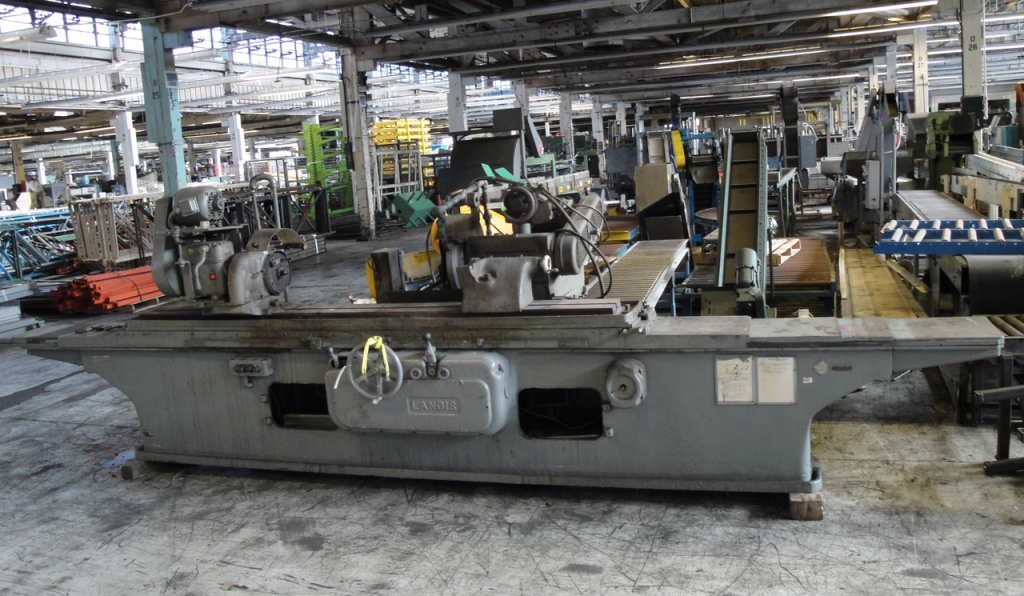
When Should Buyers Review Their Dressing Practice?
Signs the wheel is rubbing instead of cutting
Common warning signs include more heat, poorer finish, more frequent loading, increased dressing demand, unstable spark behavior, and process inconsistency that appears even when the wheel specification has not changed.
Why process stability changes over a run
If grinding quality starts well and then drifts, dressing practice is one of the first things worth reviewing. Dressing frequency, dresser condition, and wheel-work interaction can all affect how stable the process remains over time.
How Zhongxin Can Support Dressing-Related Wheel Selection
At Zhongxin, we help buyers look at wheel specification, workpiece material, machine type, and dressing behavior together. If a process is struggling with loading, burn, unstable finish, or profile drift, it is often necessary to review more than one factor at the same time.
For precision grinding applications, we can support selection across vitrified grinding wheels, resin-bond grinding wheels, CBN grinding wheels, diamond grinding wheels, and application-oriented abrasive solutions. If you share your material, machine type, wheel code, and current defect symptoms, we can help recommend a more suitable route.
Conclusion
A dressed wheel is usually a more productive wheel. Proper dressing restores cutting action, reopens chip space, supports dimensional consistency, and helps reduce common defect risks such as loading, burn, and unstable finish.
If your team wants to improve precision grinding stability, reviewing wheel dressing practice is often a practical first step.
Need a grinding wheel recommendation?
- Website: https://shalun.net
- Email: root@shalun.net
- WhatsApp / Phone: +86 15538050608