


CBN and diamond are both superabrasive grinding wheel materials, but they are not interchangeable. For most buyers, the best starting point is simple: match the superabrasive to the workpiece material first.
In practical grinding applications, CBN wheels are generally chosen for hardened steels and other ferrous materials, while diamond wheels are usually selected for carbide, ceramics, glass, stone, and other hard brittle or non-ferrous materials. Understanding this distinction helps buyers avoid poor wheel life, unstable grinding results, and unnecessary cost.
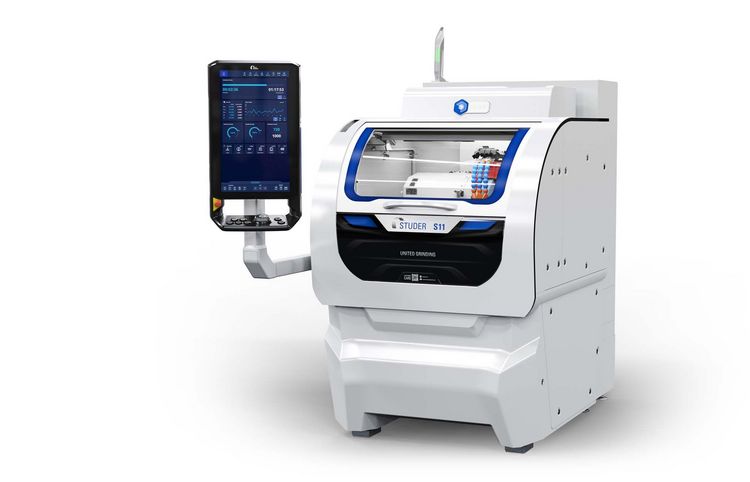
What Are CBN and Diamond Grinding Wheels?
CBN stands for cubic boron nitride. Diamond is the hardest known abrasive material. Both are widely classified as superabrasives because they offer much higher hardness and wear resistance than conventional abrasives such as aluminum oxide or silicon carbide.
Even so, they should not be treated as the same product. The real selection rule depends on the workpiece material, grinding process, machine setup, and the finish or tolerance target.
When Should Buyers Use CBN Grinding Wheels?
CBN grinding wheels are commonly used for hardened steel and other ferrous applications where form retention, wheel life, and stable precision matter.
Typical CBN application scenarios
- Hardened steel shaft grinding
- Bearing component grinding
- Gear grinding
- Tool steel grinding
- Precision cylindrical grinding on ferrous parts
Why buyers choose CBN for hardened steel
In these jobs, buyers often care about profile retention, repeatable size control, and longer production runs between wheel changes. CBN is often a strong fit when the application requires consistent performance on demanding steel parts.
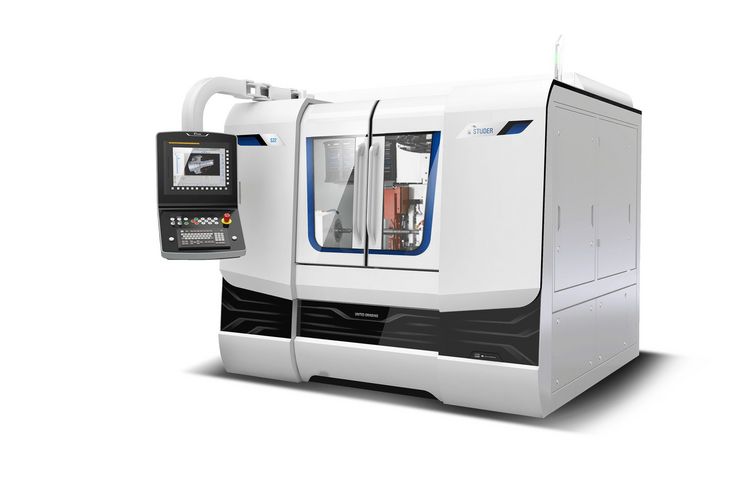
When Should Buyers Use Diamond Grinding Wheels?
Diamond grinding wheels are usually selected for carbide, ceramics, glass, stone, composites, and other hard brittle or non-ferrous materials.
Typical diamond wheel application scenarios
- Tungsten carbide tool grinding
- Ceramic component grinding
- Glass edge or surface grinding
- Stone processing
- Hard brittle material finishing
Why diamond is not the main route for hardened ferrous steel
For buyer education, this is the key point: a diamond wheel should not be presented as the main route for hardened ferrous steels in normal grinding selection logic. Diamond is mainly positioned for carbide and hard brittle materials instead.
CBN vs Diamond: Key Differences Buyers Should Know
1. Workpiece material match
This is the first decision point.
- CBN: mainly for hardened steels and other ferrous materials
- Diamond: mainly for carbide, ceramics, glass, and hard brittle non-ferrous materials
2. Application fit
The correct wheel depends on the grinding method, machine type, stock removal target, and surface finish requirement. Buyers should not choose only by the wheel name.
3. Bond route flexibility
Both CBN and diamond wheels may appear in vitrified, resin, metal bond, or electroplated routes depending on the application. The abrasive type and the bond system must be considered together.
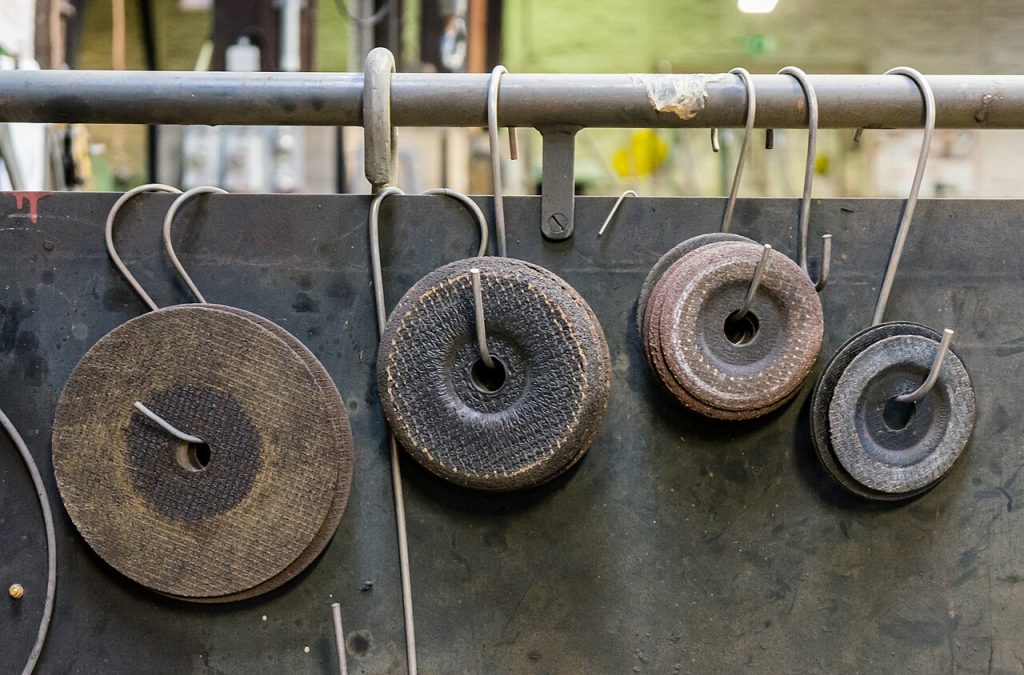
How Zhongxin Helps Buyers Choose the Right Superabrasive Wheel
At Zhongxin, we recommend that buyers share the following information before final wheel selection:
- Workpiece material
- Hardness range
- Machine type
- Grinding method
- Surface finish target
- Tolerance requirement
- Existing wheel code if available
With that information, we can help identify whether a CBN grinding wheel or a diamond grinding wheel is the better route, and then recommend a more suitable bond type, specification, and wheel structure.
Conclusion
CBN and diamond grinding wheels are both high-performance superabrasives, but the correct choice starts with material matching. In most cases, buyers should think of CBN for hardened ferrous materials and diamond for carbide, ceramics, glass, and other hard brittle materials.
If you want a more accurate recommendation, send Zhongxin your material details, machine information, and grinding target. We can help you choose a wheel route that better supports wheel life, stability, and finished part quality.
Need a superabrasive grinding wheel recommendation?
- Website: https://shalun.net
- Email: root@shalun.net
- WhatsApp / Phone: +86 15538050608