
Carbide tool sharpening should never be approached with the same wheel logic used for ordinary steel tools. When the workpiece is cemented carbide, buyers need to think first about abrasive compatibility, edge integrity, profile retention, machine condition, and finish target. In most industrial tool-grinding situations, diamond wheels are the standard starting route for carbide sharpening, while aluminum oxide remains the more familiar route for many HSS and ferrous tool applications.
This article explains how to choose grinding wheels for carbide tool sharpening in a practical, machine-based way, so buyers can narrow the right wheel route faster.
Why carbide tool sharpening needs a different wheel strategy
Carbide behaves differently from ordinary steel tools
Carbide is much harder and more wear resistant than common tool steels. That immediately changes wheel selection. A wheel that works well for ordinary steel sharpening may not cut carbide efficiently or may produce unstable edge quality.
Edge quality and profile retention matter in sharpening
In carbide tool sharpening, the goal is not only material removal. Buyers usually care about edge sharpness, micro-chipping control, repeatability, and consistent geometry on rake faces, relief faces, flutes, and corners. The wrong wheel can create rubbing, unstable finish, or edge damage instead of a clean, repeatable sharpening result.
What grinding wheels are commonly used for carbide tool sharpening?
Diamond wheels are the standard route for carbide
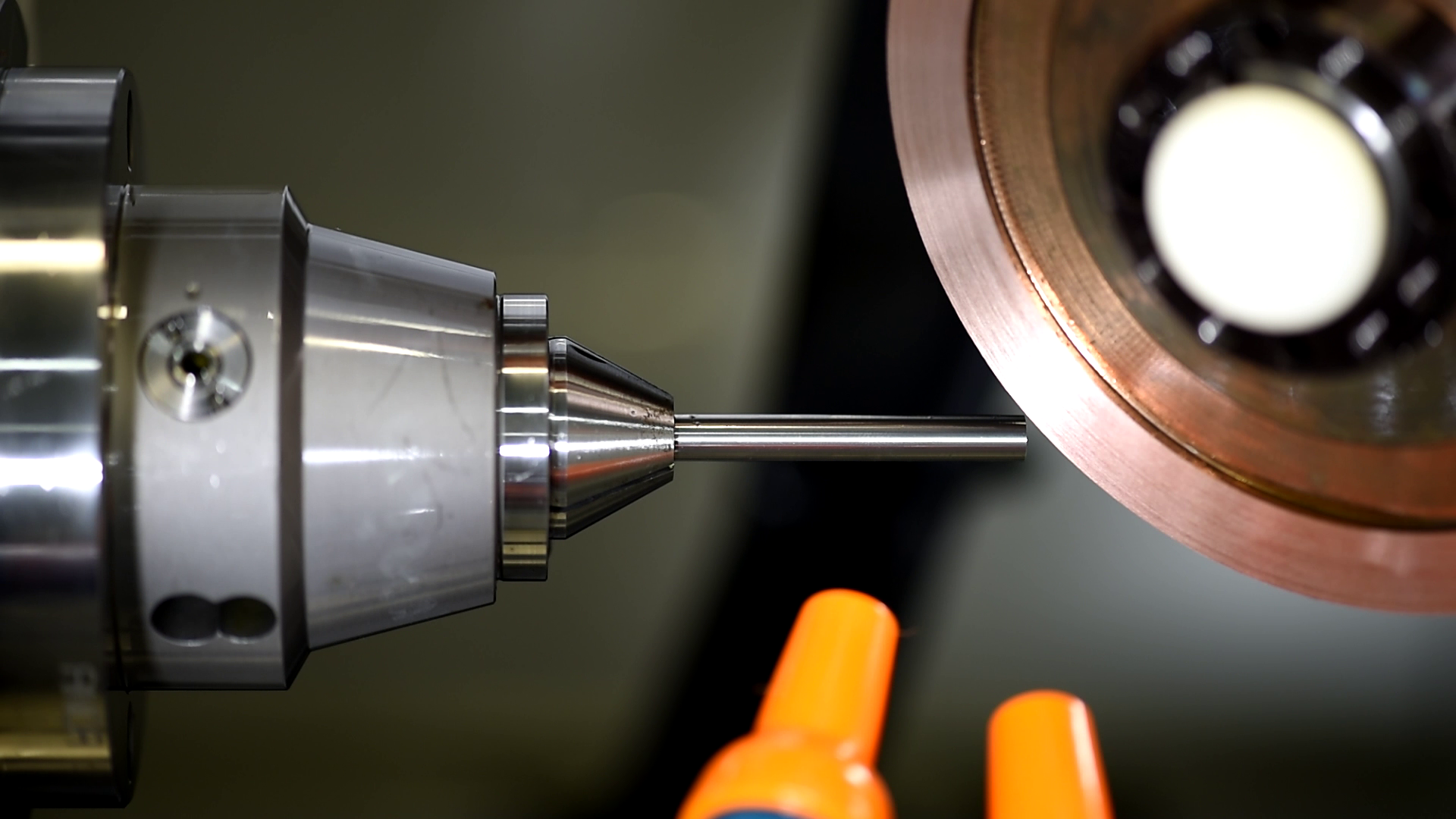
For tungsten carbide and cemented carbide tools, diamond wheels are the normal starting point in industrial tool grinding and re-sharpening. This is the most important material-matching rule: if the tool material is carbide, diamond is usually the first abrasive family to evaluate.
Ordinary steel-tool wheel logic does not fit carbide
Many buyers are familiar with aluminum oxide wheels for HSS and other ferrous tool materials. That logic should not simply be carried over to carbide. Carbide sharpening normally requires a different abrasive route and a more controlled focus on bond, wheel shape, and machine condition.
How does tool type affect the wheel choice?
Carbide end mills and drills
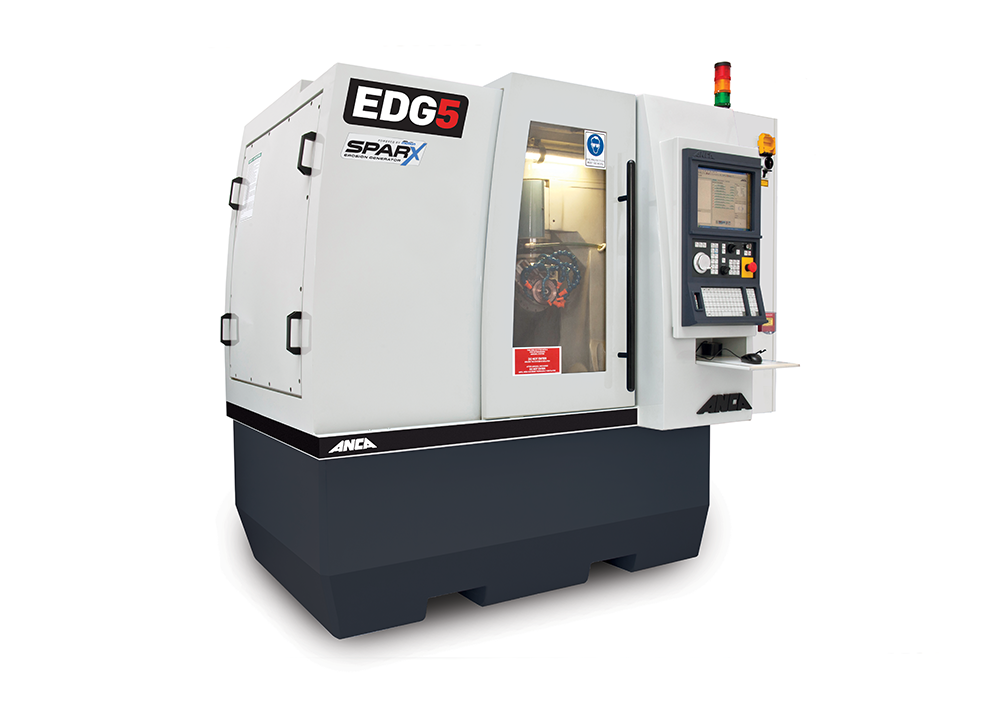
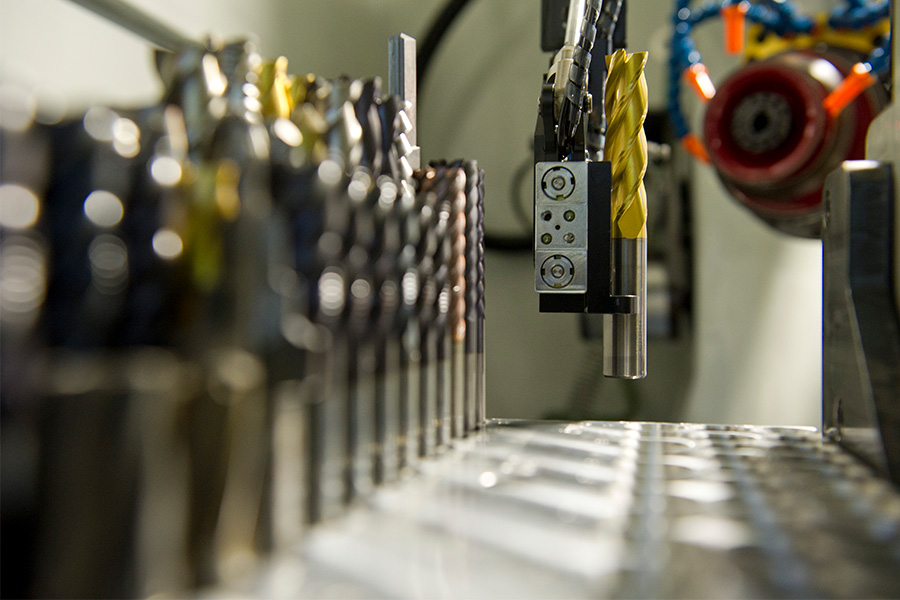
For carbide end mills and drills, buyers usually need a wheel route that supports edge sharpness, flute or relief accuracy, and repeatable tool geometry during batch re-sharpening. Wheel selection should consider whether the operation is peripheral grinding, face grinding, flute grinding, or relief grinding.
Carbide inserts and form tools
For carbide inserts and profile-sensitive tools, wheel choice should focus more strongly on corner integrity, edge consistency, and form retention. In these cases, wheel wear behavior and profile stability often matter as much as grinding speed.
Face, relief, flute, and profile sharpening differences
A buyer cannot stop at “diamond wheel” alone. The wheel shape still has to match the actual sharpening task. Face work, flute work, relief grinding, and profile sharpening all place different demands on the wheel and the machine.
How do bond types affect carbide sharpening results?
Resin bond diamond wheels for common sharpening routes
Resin bond diamond wheels are a common and practical starting route for carbide tool sharpening. Buyers often consider them when they want controlled cutting action and a sharpening process that supports good edge finish.
Vitrified diamond wheels for precision and form retention
Vitrified diamond wheels are worth evaluating when the application demands stronger form retention, more stable grinding behavior, or repeatable precision in a machine-based process. They should be discussed as a precision-oriented option rather than a universal answer for every carbide job.
Metal bond and electroplated diamond wheels in specialized use
Metal bond and electroplated diamond wheels can also play a role in specific carbide applications, wheel shapes, or profile-sensitive operations. These routes are usually more application-specific and should be chosen according to the actual machine setup and tool geometry.
How is carbide wheel selection different from HSS tool sharpening?
The difference can be summarized clearly:
| Tool material | Common starting abrasive route | Main note |
| — | — | — |
| HSS and many ferrous tool steels | Aluminum oxide family | Common route for many steel-tool sharpening tasks |
| Carbide and cemented carbide | Diamond | Standard route for carbide sharpening |
CBN is commonly discussed with hardened ferrous materials rather than as the default route for carbide tool sharpening. That distinction helps buyers avoid confusion between superabrasive families.
What problems appear when the wheel choice is wrong?
Edge chipping and poor finish
A poor wheel match can lead to micro-chipping, poor surface quality, or unstable edge sharpness on the cutting zone.
Fast wheel wear or rubbing
If the wheel route does not match the carbide application, grinding may become inefficient, with rubbing or unstable wear behavior instead of productive cutting.
Unstable geometry and low repeatability
In production or re-sharpening work, repeatability matters. A wheel that removes material quickly is not automatically the best choice if it cannot hold profile or maintain consistent geometry from tool to tool.
How Zhongxin helps buyers choose the right carbide sharpening wheel
When buyers send carbide grade if known, tool type, machine model, spindle condition, current wheel specification, and defect symptoms such as chipping or poor finish, Zhongxin can narrow the most suitable wheel route faster. In practice, the best wheel is selected by matching abrasive family, bond type, wheel shape, and process target to the real machine environment.
Conclusion
For carbide tool sharpening, the safest starting logic is simple: start with the carbide material itself, then refine wheel choice by bond type, wheel shape, machine condition, and finish target. In most industrial carbide sharpening situations, diamond wheels are the standard starting route, while exact specification details still depend on the tool, operation, and machine.
If you want a faster recommendation, send Zhongxin your carbide tool type, machine model, and current grinding problem, and we can help you narrow the wheel route more efficiently.
发表回复