
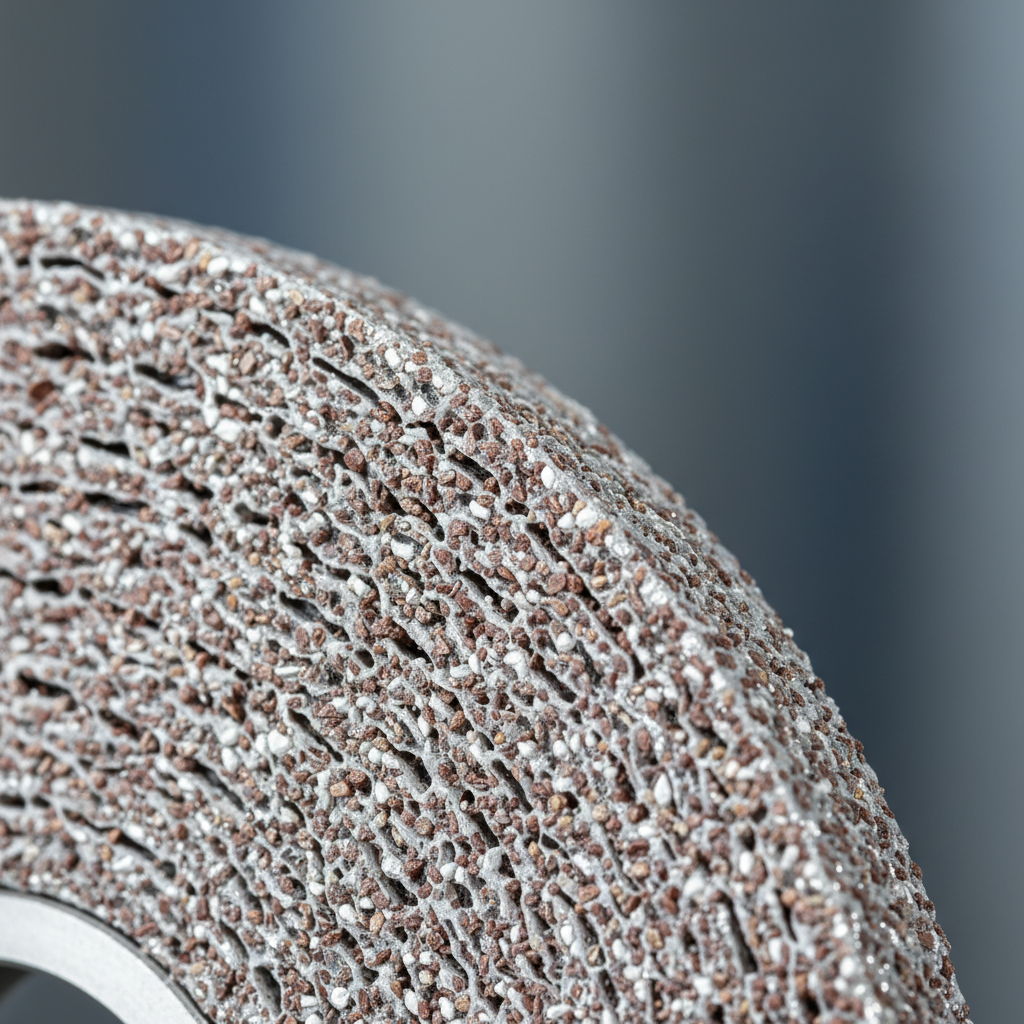
Ceramic Bond Grinding Wheels: Benefits, Applications, and Choosing the Right Specification
In the world of precision grinding, ceramic bond grinding wheels represent one of the most advanced and versatile abrasive solutions available to modern manufacturing. These wheels, also known as vitrified bond wheels, have revolutionized the grinding industry by offering exceptional performance characteristics that address the demanding requirements of today’s high-precision machining applications. For engineers and purchasing managers seeking optimal grinding solutions, understanding the technical nuances of ceramic bond systems is essential for making informed specification decisions that directly impact productivity, part quality, and overall operational efficiency.
Understanding Ceramic Bond Technology
Ceramic bond grinding wheels utilize a vitrified bonding system composed primarily of glass-like ceramic materials that are fired at high temperatures to create a rigid, porous structure. This bonding matrix differs significantly from other wheel types, particularly when comparing vitrified vs resin bond grinding wheels, as ceramic bonds offer superior thermal stability, hardness retention, and structural integrity under demanding grinding conditions. The ceramic bond acts as a bridge between abrasive grains, holding them in precise positions while allowing controlled wear and self-sharpening characteristics that maintain consistent cutting performance throughout the wheel’s service life.
The manufacturing process involves carefully selected raw materials including clay, feldspar, quartz, and other ceramic-forming compounds that are mixed with abrasive grains, pressed into wheel shapes, and fired in kilns at temperatures exceeding 1,000°C. This firing process creates a strong, glassy bond that provides excellent grain retention while maintaining the necessary porosity for coolant penetration and chip clearance. The resulting structure delivers a unique combination of hardness and friability that makes ceramic bond wheels particularly effective for precision grinding applications where dimensional accuracy and surface finish are critical.
Key Benefits of Ceramic Bond Grinding Wheels
The advantages of ceramic bond grinding wheels extend across multiple performance dimensions, making them the preferred choice for many precision grinding applications. One of the most significant benefits is their exceptional thermal stability, which allows them to maintain their structural integrity and cutting performance even under high-temperature grinding conditions. This thermal resistance minimizes wheel deformation and reduces the risk of thermal damage to workpieces, a crucial consideration when grinding heat-sensitive materials or tight-tolerance components.
Ceramic bond wheels also offer superior hardness retention compared to organic bond systems. The vitrified matrix maintains its hardness throughout the wheel’s life, ensuring consistent cutting performance and predictable wear patterns. This characteristic is particularly valuable in applications where process stability and repeatability are essential, such as in automotive and aerospace component manufacturing where part-to-part consistency is non-negotiable.
Another significant advantage is the ability to engineer highly porous wheel structures that enhance coolant access to the grinding zone. A well-designed grinding wheel structure with controlled porosity helps reduce grinding forces, prevent wheel loading, and improve heat dissipation. This porosity also allows for more efficient chip evacuation, reducing the risk of workpiece surface damage and improving overall grinding efficiency. The combination of thermal stability, hardness retention, and engineered porosity makes ceramic bond wheels exceptionally well-suited for high-speed grinding applications where process efficiency and part quality are paramount.
Ceramic bond systems also provide excellent dressing characteristics, allowing operators to maintain optimal wheel geometry and cutting performance throughout the wheel’s life. The friable nature of the ceramic bond allows for controlled breakdown during dressing, exposing fresh abrasive grains and maintaining consistent cutting action. This self-sharpening characteristic reduces the frequency of dressing operations and extends wheel life, contributing to improved productivity and reduced consumable costs.
Applications and Industry Use Cases
Ceramic bond grinding wheels find extensive application across diverse industries where precision grinding is critical to component performance and quality. In the automotive industry, these wheels are essential for grinding crankshafts, camshafts, and transmission components where dimensional accuracy and surface finish directly affect engine performance and durability. The ability to maintain tight tolerances while achieving superior surface finishes makes ceramic bond wheels indispensable for powertrain manufacturing.
The aerospace sector relies heavily on ceramic bond grinding wheels for processing high-performance materials including titanium alloys, nickel-based superalloys, and advanced composites. These materials present significant grinding challenges due to their work-hardening characteristics and low thermal conductivity, but ceramic bond wheels can be engineered with specific abrasive types and bond formulations to address these challenges effectively. The thermal stability of ceramic bonds is particularly valuable when grinding aerospace materials, as it helps prevent thermal damage that could compromise component integrity and fatigue life.
In bearing manufacturing, ceramic bond wheels are used extensively for grinding raceways, rollers, and balls to achieve the precise geometries and surface finishes required for smooth operation and extended service life. The consistency and predictability of ceramic bond wheel performance help bearing manufacturers maintain the tight tolerances demanded by high-precision applications while maximizing productivity and minimizing scrap rates.
Tool and die makers also depend on ceramic bond grinding wheels for producing and maintaining cutting tools, molds, and dies. The ability to achieve sharp cutting edges while maintaining dimensional accuracy makes these wheels ideal for high-speed steel tool grinding tool grinding applications where tool performance and longevity are critical. The versatility of ceramic bond systems allows manufacturers to optimize wheel specifications for specific tool materials and geometries, ensuring optimal performance across diverse tooling applications.
Medical device manufacturers utilize ceramic bond grinding wheels for producing surgical instruments, orthopedic implants, and other precision medical components where surface finish and dimensional accuracy are essential for biocompatibility and performance. The ability to achieve superior surface finishes while maintaining tight tolerances makes ceramic bond wheels particularly valuable for medical applications where part quality directly impacts patient outcomes.
Wheel Specification and Selection Criteria
Selecting the appropriate ceramic bond grinding wheel requires careful consideration of multiple specification parameters that collectively determine wheel performance. The primary specification elements include abrasive type, grain size, bond hardness, wheel structure, and wheel shape, each of which must be optimized for the specific application requirements. Understanding how these parameters interact and influence grinding performance is essential for making informed specification decisions.
Abrasive selection represents the foundation of wheel specification, with aluminum oxide, silicon carbide, and ceramic abrasives (such as sol-gel alumina) being the most common choices for ceramic bond wheels. Aluminum oxide offers good versatility and cost-effectiveness for general-purpose grinding applications, while silicon carbide provides superior performance on hard, brittle materials. Ceramic abrasives, though more expensive, deliver exceptional performance in demanding applications due to their microcrystalline structure and self-sharpening characteristics. The choice of abrasive material significantly impacts wheel life, grinding forces, and surface finish quality.
Grain size, often referred to as grit size, directly affects surface finish and material removal rate. Finer grit sizes produce superior surface finishes but typically remove material at slower rates, while coarser grits remove material more quickly but produce rougher surfaces. The relationship between grit size and surface finish is particularly important in precision applications where grit size determines Ra in precision grinding and must be carefully selected to achieve the required surface quality while maintaining acceptable productivity levels. Many applications utilize multiple grinding operations with progressively finer grit sizes to achieve the desired surface finish efficiently.
Bond hardness, typically designated by letters ranging from A (softest) to Z (hardest), determines how readily the bond releases dull abrasive grains during grinding. Softer bonds release grains more quickly, maintaining sharp cutting action but wearing faster, while harder bonds retain grains longer but may become glazed if not properly dressed. The optimal bond hardness depends on factors including workpiece hardness, grinding forces, coolant application, and desired wheel life. Selecting the appropriate bond hardness is crucial for achieving the balance between wheel life and cutting performance that best suits the application requirements.
Wheel structure, indicated by numbers ranging from 0 (dense) to 16 (open), describes the spacing between abrasive grains and the overall porosity of the wheel. More open structures provide better coolant access and chip clearance but may reduce wheel strength and cutting edge density, while denser structures offer more cutting edges per unit area but may be more prone to loading and heat generation. The optimal structure depends on the specific grinding application, with high-speed grinding typically benefiting from more open structures to manage heat and forces effectively.
High-Speed Grinding Considerations
High-speed grinding presents unique challenges that require specialized wheel design and specification considerations. As wheel speeds increase, centrifugal forces increase exponentially, demanding wheels with enhanced structural integrity and carefully engineered bond systems. Ceramic bond wheels are particularly well-suited for high-speed applications due to their inherent strength and thermal stability, but proper specification is essential to ensure safe and effective operation at elevated speeds.
When selecting ceramic bond wheels for high-speed grinding applications, several factors must be carefully considered. Wheel balance becomes increasingly critical at higher speeds, as even minor imbalances can cause significant vibration that affects surface finish and wheel life. The bond formulation must be optimized to provide the necessary strength while maintaining appropriate friability for self-sharpening characteristics. Wheel structure should be designed to manage the increased heat generation and forces associated with high-speed grinding, typically requiring more open porosity for effective coolant penetration and chip evacuation.
The abrasive grain selection for high-speed applications often favors ceramic abrasives or premium aluminum oxide grades that can maintain sharp cutting edges under the increased thermal and mechanical stresses. Grain size selection may also differ from conventional speed applications, as the increased cutting speed can affect the effective cutting action of individual grains. Coolant delivery becomes particularly critical in high-speed grinding, requiring optimized nozzle positioning and flow rates to ensure adequate cooling and lubrication at the grinding zone.
Porosity and Coolant Optimization
The porous wheel construction of ceramic bond grinding wheels represents one of their most valuable characteristics, particularly in applications where heat management and chip evacuation are critical. Engineered porosity provides multiple benefits including enhanced coolant penetration to the grinding zone, improved chip clearance, reduced grinding forces, and decreased risk of thermal damage to workpieces. Understanding how to optimize wheel porosity for specific applications can significantly improve grinding performance and part quality.
Porosity in ceramic bond wheels is controlled through the manufacturing process by adjusting the ratio of bond material to abrasive grains and incorporating pore-forming agents that create void spaces during firing. The resulting pore structure can be characterized by pore size, distribution, and interconnectivity, all of which influence wheel performance. Larger, interconnected pores provide better coolant access and chip evacuation but may reduce wheel strength, while smaller, more uniform pores offer better strength but may be less effective for coolant penetration.
Coolant selection and delivery must be optimized to work effectively with the porous wheel characteristics. The coolant viscosity, flow rate, and pressure all influence how effectively coolant penetrates the wheel structure and reaches the grinding zone. High-pressure coolant systems can enhance penetration into porous wheel structures, improving cooling effectiveness and reducing the risk of thermal damage. Coolant filtration is also important, as contaminants can clog wheel pores and reduce their effectiveness over time.
Dressing and Truing Best Practices
Proper dressing and truing of ceramic bond grinding wheels is essential for maintaining optimal performance and achieving consistent grinding results. Dressing exposes fresh abrasive grains and restores wheel geometry, while truing ensures the wheel runs true and maintains the desired profile. The frequency and method of dressing significantly impact wheel life, grinding performance, and part quality, making proper dressing procedures critical to overall process efficiency.
Dressing tools for ceramic bond wheels typically include single-point diamond dressers, rotary diamond dressers, and abrasive dressing sticks, each offering different advantages for specific applications. Single-point diamond dressers provide precise control over wheel geometry and are ideal for profile grinding applications where accurate wheel shape is critical. Rotary diamond dressers offer faster dressing rates and more consistent wheel surface finishes, making them suitable for high-production applications. Abrasive dressing sticks provide a cost-effective option for general-purpose dressing but offer less precise control over wheel geometry.
The dressing parameters, including depth of cut, feed rate, and dressing overlap ratio, must be optimized for the specific wheel specification and application requirements. Aggressive dressing parameters remove more material and expose sharper grains more quickly but reduce wheel life, while conservative dressing extends wheel life but may not expose fresh grains as effectively. The optimal dressing approach balances wheel life, cutting performance, and surface finish requirements to achieve the most economical grinding operation. In production environments, maintaining consistent dressing parameters is essential for reproducible wheel topography and predictable process outcomes.
Cost Considerations and ROI Analysis
While ceramic bond grinding wheels often represent a higher initial investment compared to some alternative wheel types, their total cost of ownership can be significantly lower when properly selected and applied for appropriate applications. The extended wheel life, consistent performance, and reduced downtime associated with ceramic bond wheels contribute to improved productivity and lower overall grinding costs. Purchasing managers should consider total cost of ownership rather than initial wheel price when evaluating grinding wheel options.
Key cost factors to consider include wheel life, dressing frequency, grinding cycle times, scrap rates, and machine downtime. Ceramic bond wheels typically offer longer service life than organic bond wheels, reducing the frequency of wheel changes and associated downtime. The consistent performance of ceramic bond wheels also contributes to more predictable cycle times and reduced scrap rates, both of which directly impact production costs. The ability to maintain tight tolerances and superior surface finishes can also reduce or eliminate secondary finishing operations, further improving overall process economics.
When conducting ROI analysis for ceramic bond wheel implementation, it’s important to consider both direct and indirect cost benefits. Direct benefits include reduced wheel consumption, lower dressing costs, and improved productivity. Indirect benefits may include improved part quality, reduced warranty claims, enhanced customer satisfaction, and competitive advantages in markets where precision and surface finish are critical differentiators.
Conclusion
Ceramic bond grinding wheels represent a sophisticated grinding solution that offers exceptional performance across a wide range of precision applications. Their unique combination of thermal stability, hardness retention, engineered porosity, and dressing characteristics makes them particularly well-suited for demanding grinding operations where part quality and process efficiency are critical. By understanding the technical aspects of ceramic bond wheel specification and selection, engineers and purchasing managers can make informed decisions that optimize grinding performance, reduce costs, and improve overall manufacturing competitiveness.
Success with ceramic bond grinding wheels requires careful consideration of application requirements, proper wheel specification, optimized process parameters, and appropriate maintenance procedures. When these elements are properly aligned, ceramic bond wheels deliver superior performance that justifies their investment and contributes significantly to manufacturing excellence. As grinding technology continues to advance, ceramic bond systems will remain at the forefront of precision grinding solutions, enabling manufacturers to meet increasingly demanding quality and productivity requirements.
Leave a Reply