

Aluminum Oxide vs Silicon Carbide for Different Workpieces
Buyers often ask a simple question: should this grinding wheel use aluminum oxide or silicon carbide? In practice, the answer depends on workpiece behavior, grinding mode, finish target, and whether the process needs toughness, freer cutting action, or stronger anti-loading behavior.
Zhongxin recommends treating abrasive choice as part of a full wheel-selection system rather than a one-line rule.
What Is the Difference Between Aluminum Oxide and Silicon Carbide?
Aluminum oxide family
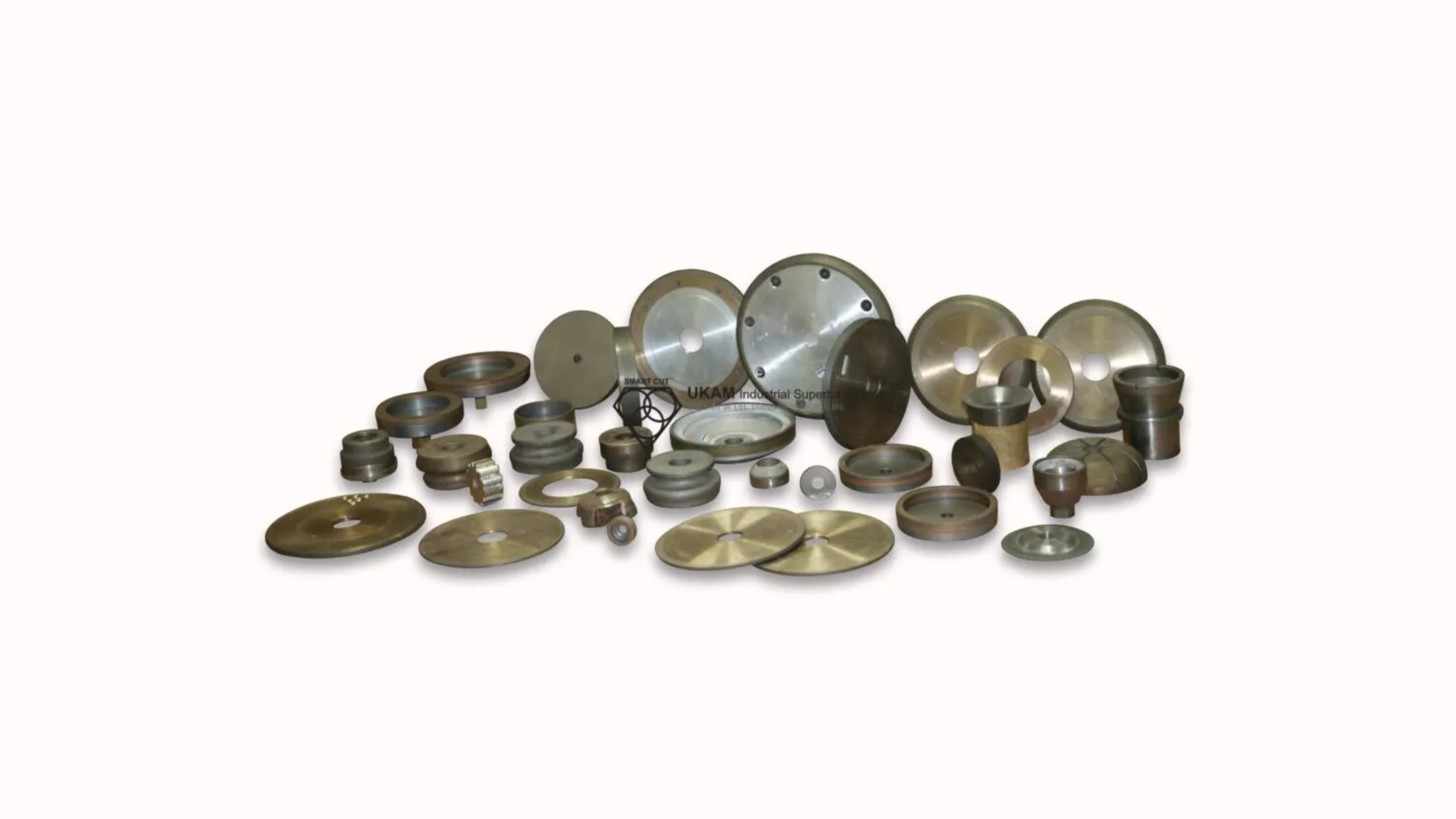
The alumina family is the mainstream route for many ferrous grinding jobs. Common wheel codes include:
- `A` brown fused alumina
- `WA` white fused alumina
- `PA` chromium alumina
- `SA` monocrystalline alumina
Silicon carbide family
Silicon carbide is usually described as a sharper and more brittle-cutting route. Common codes include:
- `GC` green silicon carbide
- `C` black silicon carbide
One abrasive is not best for everything
The right choice depends on the workpiece and process, not on a simple ranking.
When Is Aluminum Oxide a Better Choice?
Carbon steel and many ordinary steel jobs
For many conventional steel applications, the alumina family remains the safer mainstream explanation.
Hardened steel and more precision-oriented steel work
Steel grinding often stays within the alumina family unless the job moves into a superabrasive route such as CBN. White alumina, chromium alumina, or monocrystalline alumina may be more relevant than ordinary brown alumina in certain precision jobs.
Broad conventional compatibility
Alumina-family wheels are widely accepted in workshops that already standardize around steel-grinding routes.
When Is Silicon Carbide a Better Choice?
Cast iron grinding
This is where silicon carbide deserves strong emphasis. Many cast-iron grinding applications respond well to silicon carbide's cutting behavior.
Brittle-material applications
Silicon carbide is often commercially strong when the material behavior favors a sharper, more brittle-cutting abrasive route.
Some loading-sensitive jobs
In stainless steel grinding, Zhongxin emphasizes that structure and porosity can matter as much as abrasive family. That is why SA big-porosity and GC big-porosity routes deserve specific attention for loading-prone applications.
What Other Factors Matter Beyond Abrasive Type?
Bond type
The same abrasive family behaves differently under vitrified and resin bond systems.
Wheel grade and structure
A wheel can still fail if grade or porosity is wrong, even when the abrasive family is correct.
Dressing, coolant, and machine condition
Poor grinding results are not always caused by abrasive choice alone.
When the real answer may be CBN instead
In especially demanding steel applications, the better question may be whether the process should move beyond conventional alumina or silicon carbide and into a CBN route.
How Zhongxin Helps Buyers Choose the Right Abrasive Route
Zhongxin recommends wheels based on workpiece material, hardness condition, machine type, grinding method, tolerance target, dressing approach, and production rhythm. That helps avoid over-simplified abrasive decisions.
Conclusion
The best choice between aluminum oxide and silicon carbide depends on the workpiece, process needs, and full wheel design. Alumina remains important for many steel jobs, while silicon carbide is highly relevant in cast iron and other brittle-material applications. In loading-prone or precision-critical work, the real answer may also depend on grade, structure, bond, or even a move to CBN.
Need help comparing abrasive routes for your grinding application?
- Website: https://shalun.net
- Email: root@shalun.net
- WhatsApp / Phone: +86 15538050608