

Why 304 Stainless Steel Is Difficult to Grind and Polish
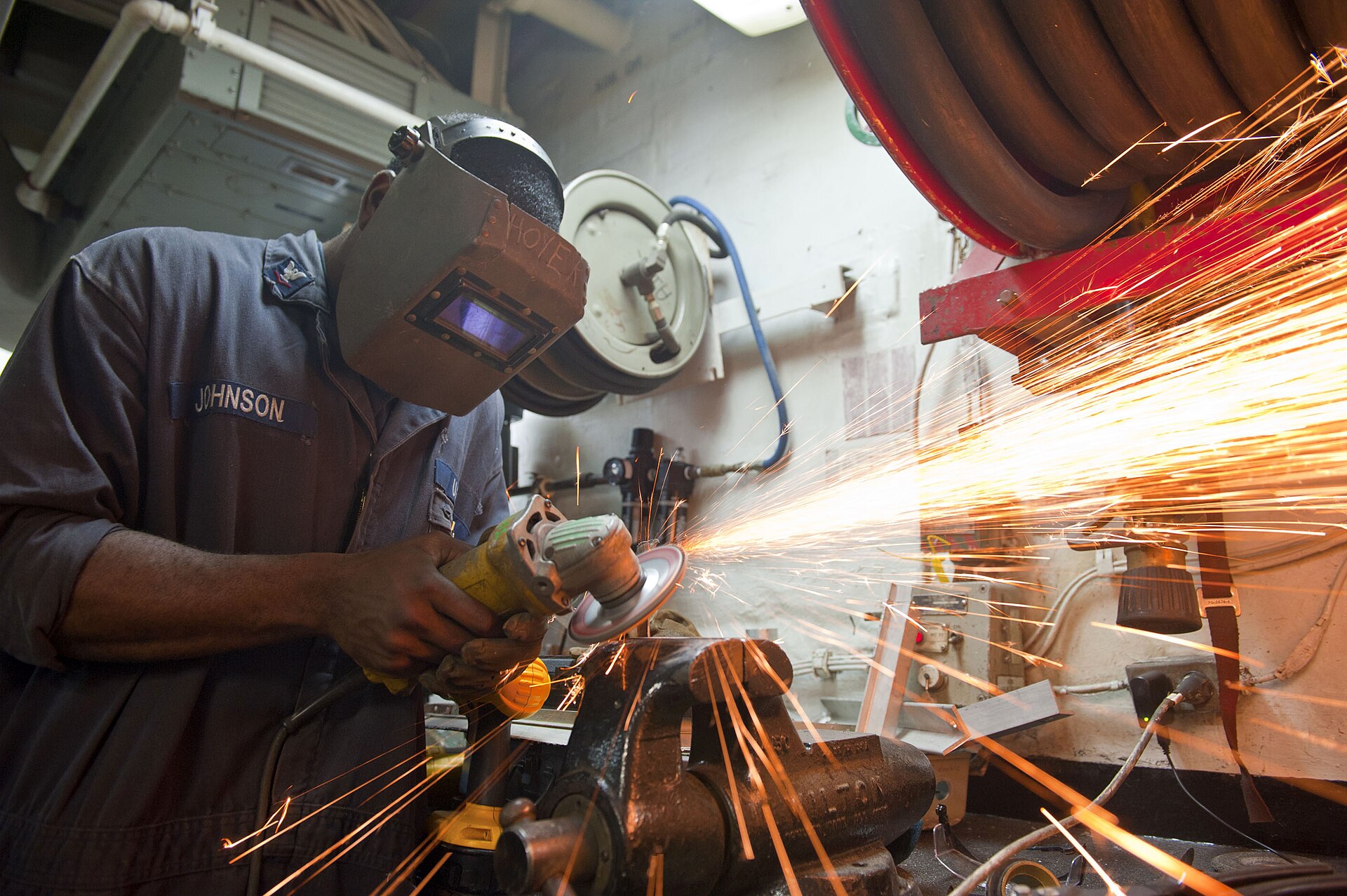
304 stainless steel is widely used in kitchenware, tanks, tubes, architectural parts, and fabrication assemblies because it offers corrosion resistance and good formability. However, in practical workshop grinding, 304 stainless steel is also well known for wheel loading and surface clogging tendency. Once the wheel surface loads too quickly, grinding heat rises, cutting sharpness drops, and burn marks, drag marks, and unstable surface finish become much easier to produce.
For grinding-wheel suppliers and buyers, the key issue is not simply “how to polish stainless steel,” but how to select a wheel structure that reduces loading and keeps grinding behavior stable.
- Wheel loading: 304 stainless steel tends to stick to the wheel surface more easily than many ordinary steels.
- Clogging risk: Once chip space becomes insufficient, the wheel face can clog, reducing cutting efficiency.
- Heat buildup: A loaded wheel can increase grinding heat and raise the risk of discoloration and surface defects.
- Surface consistency pressure: Buyers often require brushed, satin, or bright surface quality with repeatable appearance.
Zhongxin’s Recommended Grinding Wheel Solution for 304 Stainless Steel
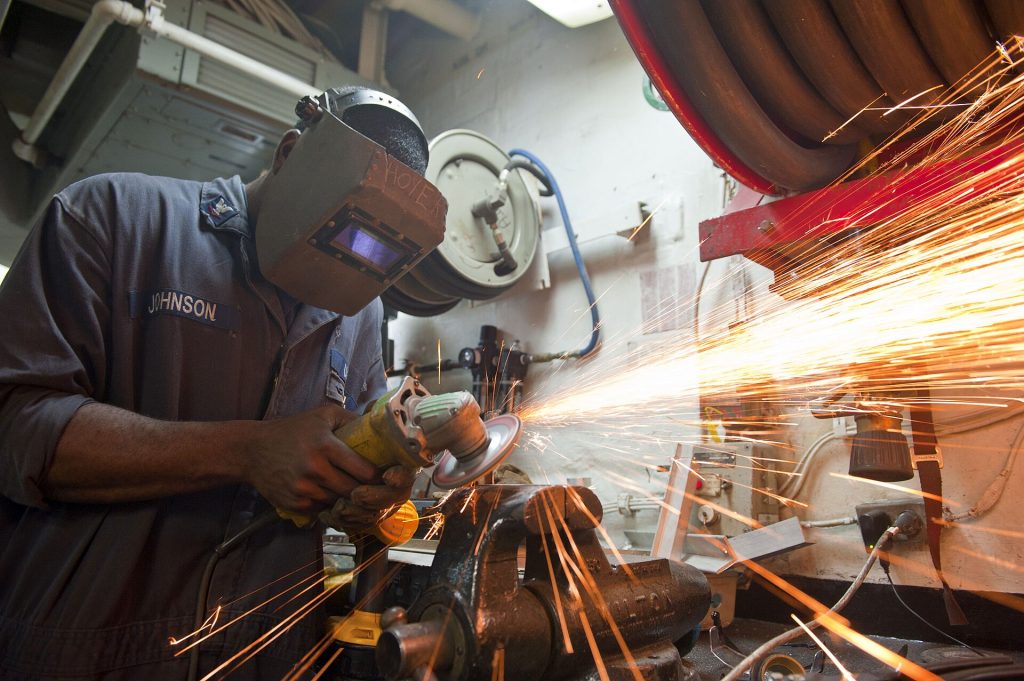
Based on Zhongxin’s production experience, a more practical grinding route for 304 stainless steel is to focus on big-porosity grinding wheel structure instead of turning the process into a general discussion about belts, sandpaper, or hand-finishing consumables.
For grinding applications, Zhongxin commonly recommends:
- SA big-porosity grinding wheel — monocrystalline alumina, code SA
- GC big-porosity grinding wheel — green silicon carbide, code GC
- Recommended hardness reference: J grade
The main reason is simple: 304 stainless steel tends to load the wheel. A big-porosity structure helps create better chip space, reduces clogging on the wheel surface, and supports more stable grinding behavior in practical stainless-steel processing.
Why big porosity matters
- Helps reduce wheel-face clogging
- Improves chip accommodation during grinding
- Supports more stable cutting action
- Helps lower the risk of burn marks caused by an overloaded wheel face
Why SA and GC are good options
For 304 stainless steel, the wheel must not only cut, but also resist the process instability caused by loading. In Zhongxin’s house solution, SA and GC are practical routes when combined with a suitable big-porosity structure and controlled hardness.
Recommended Polishing Wheel Route for 304 Stainless Steel
For polishing, Zhongxin’s recommendation should also stay centered on wheel-based solutions.
Preferred polishing routes include:
- PVA sponge wheel
- Resin-bond wheel
- Graphite wheel
Among them, PVA sponge wheels are especially suitable for polishing stainless steel and other relatively soft metals because they have micro-elasticity. This micro-elastic behavior helps improve contact compliance and supports a cleaner, more uniform polished surface.
Why PVA sponge wheels work well on stainless steel
- Micro-elastic structure helps adapt to the surface
- Good for polishing softer metal surfaces such as stainless steel
- Helps improve finish consistency in practical polishing operations
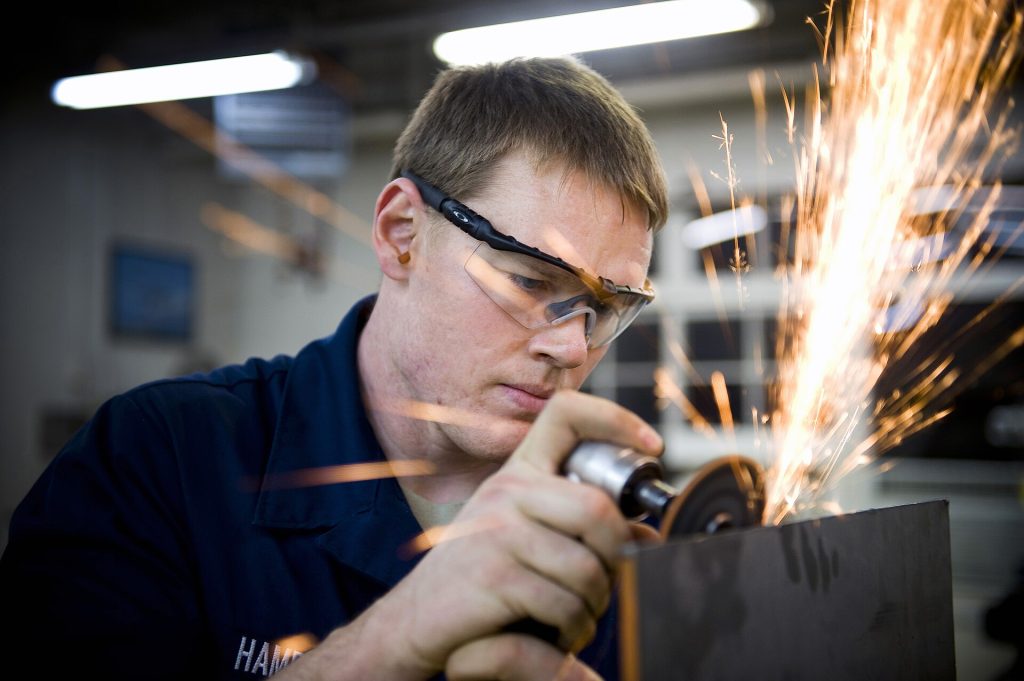
Common 304 Stainless Steel Grinding Problems and How Wheel Selection Helps
1. Wheel loading
Problem: The wheel surface loads quickly when processing 304 stainless steel.
Practical idea: Use a suitable big-porosity grinding wheel structure to improve anti-clogging performance.
2. Burn marks and discoloration
Problem: Heat rises after the wheel becomes loaded or clogged.
Practical idea: Keep the wheel cutting condition stable, avoid overloaded wheel surfaces, and choose a wheel specification that supports cleaner grinding.
3. Unstable surface finish
Problem: Once wheel loading becomes serious, scratch quality and finish consistency deteriorate.
Practical idea: Match abrasive type, wheel structure, and hardness to the workpiece material instead of using a generic finishing route.
How to Understand Bond Systems in Stainless Steel Wheel Selection
When buyers evaluate grinding-wheel solutions, bond type also matters. Common wheel bond routes include:
- Vitrified bond
- Resin bond
- Metal bond
- Electroplated products
For Zhongxin content, conventional abrasive wheel discussions may include abrasive types such as WA, A, GC, PA, SA, and C depending on the product route. In metal-bond and electroplated discussions, the abrasive statement should stay focused on diamond and CBN.
Why Zhongxin’s Wheel-Based Solution Is Better for This Topic
If the article topic is 304 stainless steel grinding and polishing, the content should stay aligned with the actual wheel solution a grinding-wheel manufacturer can provide. That means the article should focus on:
- material-specific grinding difficulty
- wheel loading and clogging
- big-porosity wheel structure
- SA / GC / J-grade recommendation logic
- PVA sponge wheel and other wheel-based polishing routes
This is more useful for industrial buyers than turning the topic into a generic list of belts, papers, pads, and unrelated finishing consumables.
Contact Zhongxin for 304 Stainless Steel Grinding Wheel Solutions
If you are selecting grinding wheels or polishing wheels for 304 stainless steel, Zhongxin can help you evaluate the right route based on your workpiece condition, finish target, and production goal.
- Recommended grinding direction: SA or GC big-porosity grinding wheels, hardness reference J grade
- Recommended polishing direction: PVA sponge wheel, resin wheel, or graphite wheel
- Website: https://shalun.net
- Phone/WhatsApp: +86 15538050608
- Email: root@shalun.net