
What Grinding Wheel Structure Means in Real Production
Grinding wheel structure is often treated like a specification-sheet detail, but in real production it has a very practical meaning. Structure influences how much chip space the wheel has, how freely it cuts, how easily it loads, and how stable the grinding process remains.
In other words, wheel structure is not abstract. It directly affects what operators see on the machine.
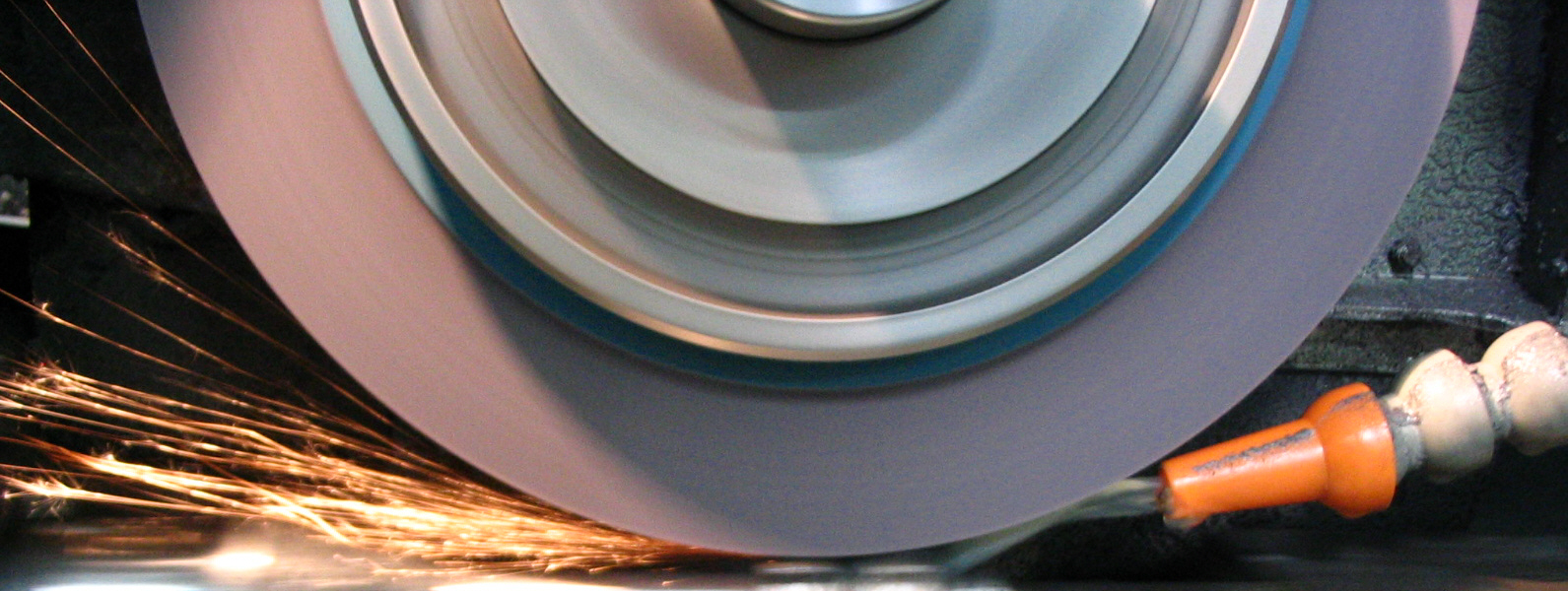
What wheel structure really means
In practical terms, wheel structure relates to the spacing between abrasive grains, the bond that holds them, and the amount of void space inside the wheel. This is why buyers often describe wheels as more open or more dense.
That openness matters because the wheel is not only a cutting tool. It is also a system that must create space for chips, support cutting action, and maintain stability over time.
How structure affects real production
The first effect is chip space. A more open structure generally gives more room for chips and debris, which can help the wheel cut more freely in difficult applications.
The second effect is loading resistance. If the application tends to smear or clog the wheel surface, insufficient chip space can make loading much worse.
The third effect is heat behavior. When the wheel has a more suitable cutting condition and chip space for the job, heat is often easier to manage.
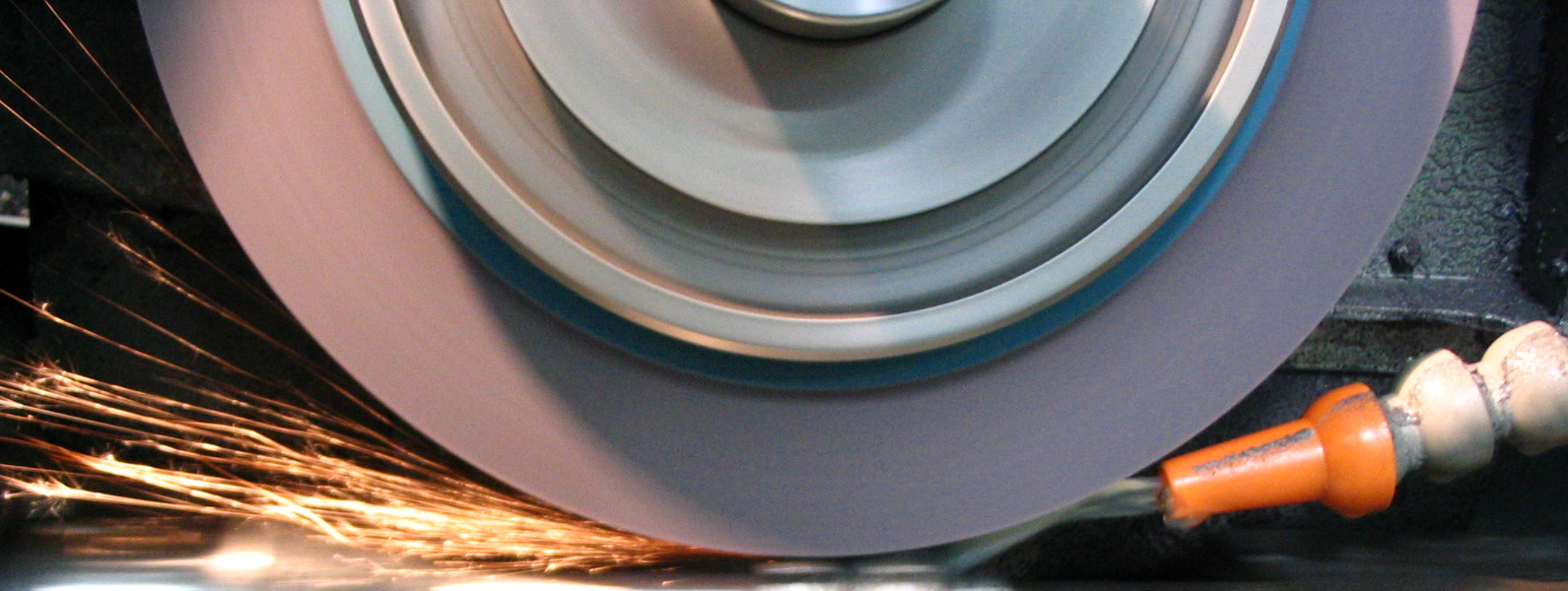
The fourth effect is finish and process stability. A denser wheel and a more open wheel may behave differently depending on the application. This is why structure should be matched to the production goal rather than treated as a simple “more open is always better” decision.
When open structure becomes more important
Open-structure logic becomes especially important in loading-prone materials and processes. Stainless steel is a common example because it tends to load the wheel surface more easily than many ordinary steels.
That is why Zhongxin commonly recommends big-porosity wheel routes for 304 stainless steel grinding, especially SA big-porosity or GC big-porosity wheels, with J grade as a practical hardness reference. This example shows why wheel structure matters in production: the structure helps solve a real defect risk rather than just filling a line in a catalog.
What structure cannot solve by itself
Wheel structure is important, but it cannot be judged alone. Abrasive type, bond, grade, dressing condition, coolant delivery, and machine stability all affect the final result.
A good structure choice can support better grinding, but it cannot fully compensate for a fundamentally wrong abrasive route, weak dressing, or poor coolant application.
Zhongxin’s practical view
At Zhongxin, wheel structure should be discussed in production language, not only catalog language. Buyers usually get better recommendations when they describe the material, grinding method, current process problem, and finish requirement.
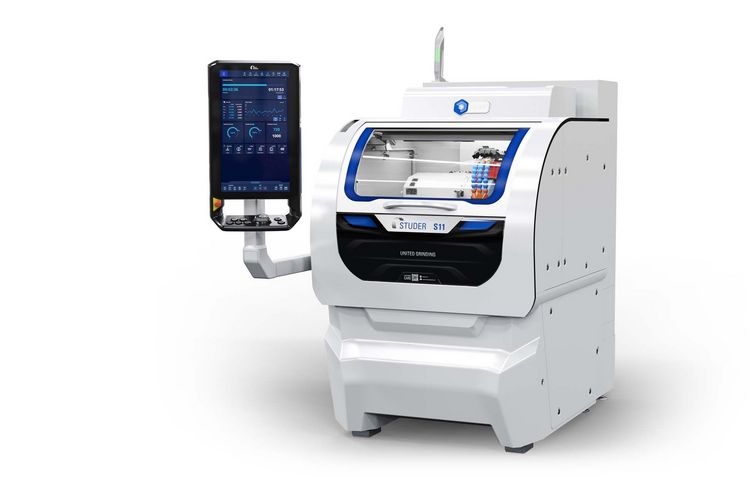
With that information, structure can be selected as part of the full wheel system rather than as an isolated code.
Conclusion
Grinding wheel structure means much more than a line in a specification. In real production, it affects chip space, loading resistance, heat behavior, finish stability, and dressing response. When buyers understand structure in that practical way, they can make better wheel decisions and solve defects more efficiently.
Need help choosing a grinding wheel for your application?
- Website: https://shalun.net
- Email: root@shalun.net
- WhatsApp / Phone: +86 15538050608
发表回复