


Thin-wall workpieces are much less forgiving than solid parts in grinding. When the wall section is light and the rigidity is low, even a small increase in grinding force can cause deflection, taper, chatter, poor roundness, or unstable size control.
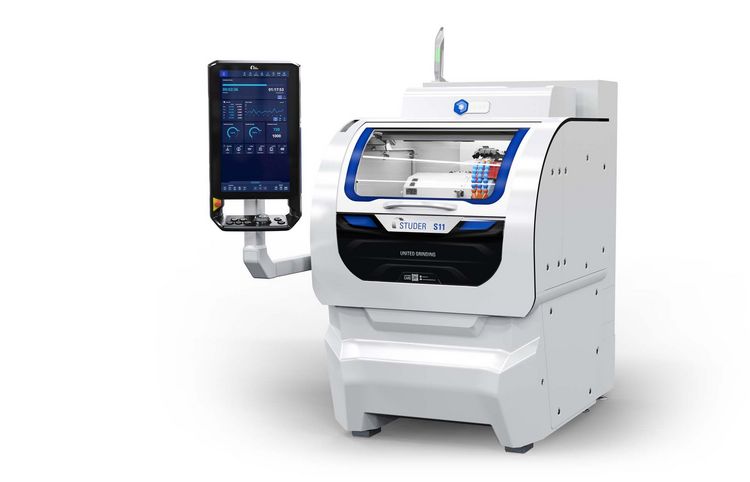
That is why grinding wheel grade matters so much. In thin-wall grinding, the wheel must remove material efficiently without creating excessive force or heat. If the wheel acts too hard, dull grains stay in contact longer and the wheel may rub instead of cut freely. That usually means more heat and more pressure on a part that cannot resist deformation well.
What makes thin-wall grinding difficult?
Thin-wall grinding is sensitive because the part has lower rigidity than a solid shaft, block, or thick ring. In practical production, the grinding zone is influenced not only by wheel specification but also by support condition, contact area, dressing, and coolant access.
Two risks become more obvious as wall thickness drops:
- elastic deflection under grinding force
- thermal distortion caused by concentrated heat input
- chatter-sensitive contact during finishing and spark-out
- unstable size repeatability when support is weak
- part deflection and shape error
- local burn or heat tint
- chatter marks or unstable finish
- poor roundness, flatness, or taper control
- inconsistent spark-out behavior
- workpiece material and hardness
- wall thickness and overall rigidity
- grinding method, such as cylindrical, internal, or surface grinding
- contact width and stock-removal target
- workholding and support method
- dressing sharpness and frequency
- machine rigidity and spindle condition
- coolant delivery into the contact zone
- part material
- wall thickness or section rigidity
- grinding method and machine type
- wheel size and current specification
- tolerance and finish target
- workholding method and support condition
- coolant method
- defect symptoms such as burn, chatter, taper, or size drift
What does grinding wheel grade really mean?
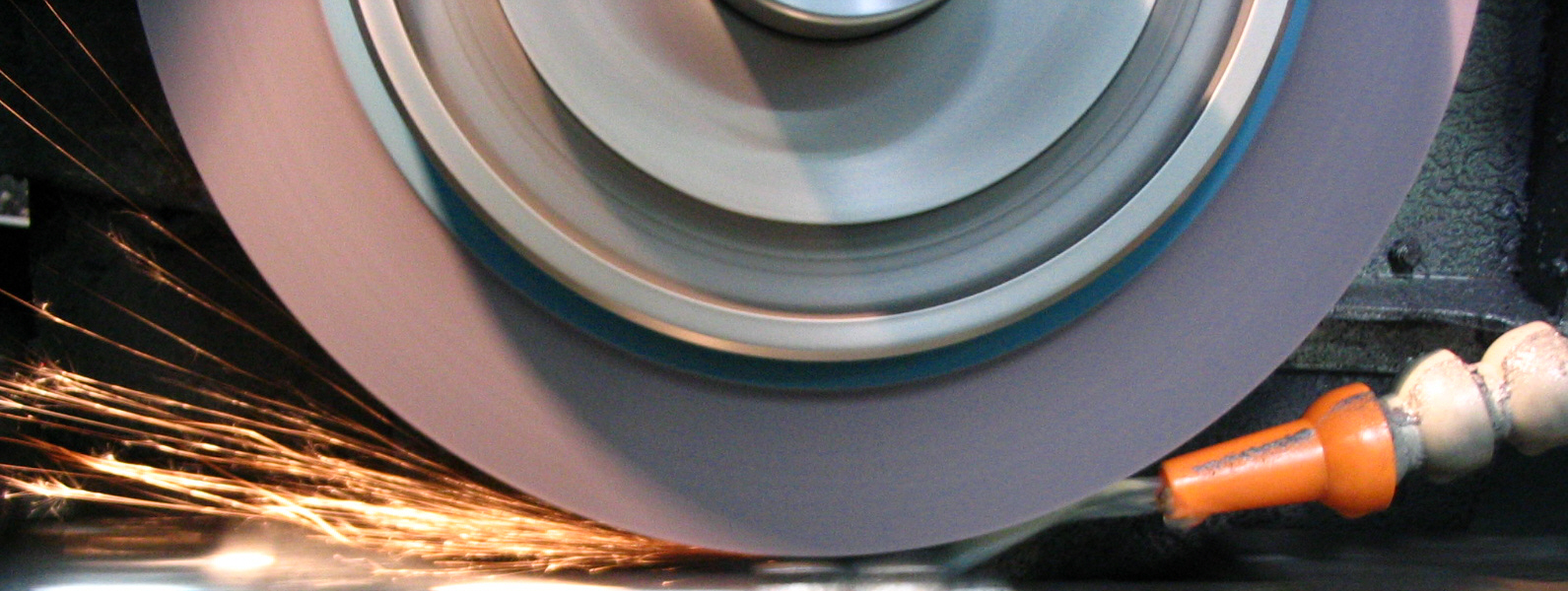
Grinding wheel grade describes how strongly the bond holds abrasive grains. In practical terms, it affects how long dull grains stay in the wheel, how freely the wheel cuts, how much grinding force builds up, and how fast the wheel wears.
Grade is not the same as abrasive type. Abrasive type refers to the cutting material itself, such as aluminum oxide, silicon carbide, diamond, or CBN. Grade refers to the grain-holding behavior of the wheel bond. For thin-wall workpieces, that difference matters because a suitable abrasive can still perform poorly if the wheel behavior is too hard for the part rigidity.
Why can the wrong wheel grade damage thin-wall parts?
If the wheel grade is too hard for the process, dull grains stay active longer and rubbing increases. That usually raises grinding energy and contact pressure. On a thin-wall workpiece, the result may include:
A wheel that is too soft can also create trouble. Excessive wear may hurt profile retention and make dimensional consistency harder to control. That is why thin-wall grinding usually needs a balanced choice rather than a simple “softest possible” answer.
Should thin-wall workpieces use a softer wheel grade?
In many cases, thin-wall parts benefit from a relatively freer-cutting wheel behavior compared with rigid parts made from the same material. The purpose is to lower force and reduce rubbing so the part is less likely to deform or overheat.
But this should not be oversimplified. Final grade direction depends on:
Practical problem-to-solution thinking
When buyers report thin-wall grinding problems, wheel grade should be reviewed together with process conditions.
| Problem | Wheel-grade direction to review | Important note |
|---|---|---|
| Part deflection | Check whether wheel behavior is too hard and force is too high | Support and clamping also matter |
| Grinding burn | Consider freer cutting, sharper dressing, and better coolant access | Grade alone is not the full fix |
| Chatter on thin-wall parts | Review grade, balance, machine rigidity, and support points | Chatter is rarely caused by one factor |
| Poor size repeatability | Balance freer cutting with enough wheel stability | Spark-out and dressing consistency are important |
| Fast wheel wear | Check whether the wheel is too soft for the process | Harder is not always better |
What process details should buyers provide?
For better wheel selection, buyers should share the following process details:
With these details, Zhongxin can recommend a wheel that cuts freely enough to protect the workpiece while still keeping the stability needed for production control.
Conclusion
For thin-wall workpieces, wheel grade matters because it directly affects force, heat, and grinding stability. The best choice is usually not the hardest wheel and not the softest wheel, but a balanced grade behavior matched to part rigidity, material, machine setup, dressing condition, and coolant delivery.
If you are selecting wheels for thin-wall rings, sleeves, housings, or plates, Zhongxin can help review your process details and recommend a more suitable grinding wheel route for lower-defect, high-precision production.