


Grinding Wheel Balance and Vibration Control: Why It Matters
Balance is easy to treat as a small setup detail, but in grinding it directly affects finish stability, wheel behavior, dressing frequency, and process confidence. A well-selected wheel can still perform poorly if the mounted assembly runs with avoidable vibration.
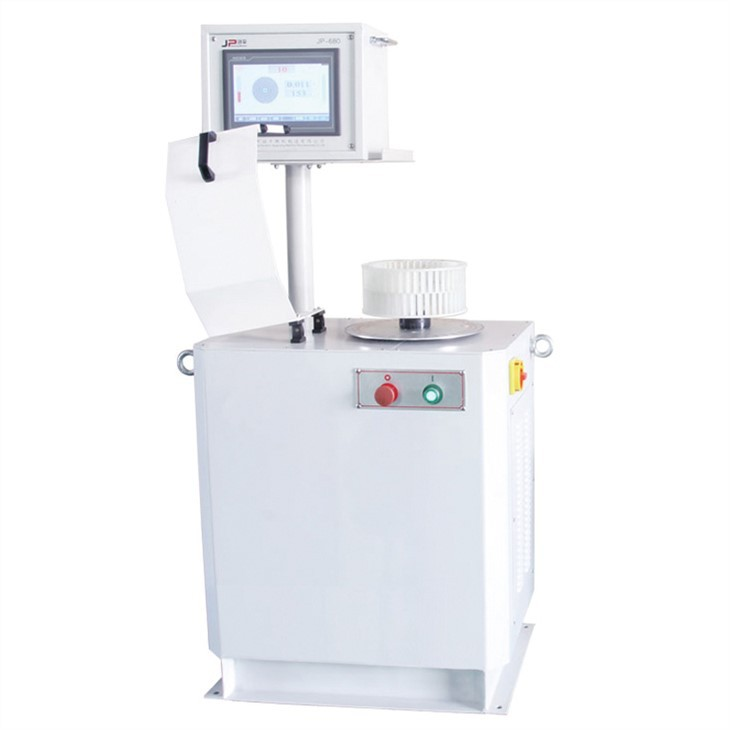
For buyers and production engineers, the key idea is simple: good grinding results come from the right wheel and a stable machine-side setup. If balance, mounting, dressing, or spindle condition is ignored, chatter marks, waviness, and unstable wear can appear even when the wheel specification itself is reasonable.
What does grinding wheel balance mean?
Grinding wheel balance refers to how evenly mass is distributed in the rotating wheel assembly. In practical shop conditions, the wheel, flange, adapter, and mounting condition all influence whether the assembly runs smoothly or introduces periodic vibration into the cut.
Why balance is more than a setup detail
An imbalanced wheel can create repeating force variation during rotation. That often shows up as chatter-like marks, uneven scratch patterns, and difficulty holding a stable finish.
Balance versus general process stability
Balance is one part of stability, but not the only part. Even a balanced wheel can still perform badly if the mounting surfaces are dirty, the flange fit is poor, dressing is inconsistent, or the machine spindle has runout or rigidity problems.
Why does vibration happen in grinding?
Several conditions can contribute to grinding vibration, and buyers should avoid assuming that every vibration problem comes from the wheel alone.
Wheel imbalance
If mass distribution around the wheel assembly is uneven, the rotating system can transmit periodic vibration into the grinding zone.
Mounting and flange problems
Dirty contact faces, burrs, poor flange condition, damaged blotters, and uneven clamping can create vibration even when the wheel quality is acceptable.
Dressing-related unevenness
A wheel face that is not trued and dressed cleanly may cut unevenly. In production, poor dressing is often mistaken for a pure balance problem.
Machine and spindle issues
Spindle condition, bearing wear, machine rigidity, workholding stability, and machine foundation all influence vibration behavior.
Wheel specification mismatch
A wheel that is too hard, too dense, or otherwise poorly matched to the material and process can increase rubbing, heat, and force variation, making vibration symptoms more obvious.

How does vibration affect grinding results?
Vibration is not only a cosmetic issue. It can reduce process predictability and increase total grinding cost.
Surface finish and chatter marks
Periodic vibration can leave visible chatter, waviness, or unstable finish patterns that are difficult to correct without finding the root cause.
Wheel wear and dressing frequency
When the wheel runs in unstable conditions, abrasive grains do not work evenly. That can accelerate localized wear and force more frequent dressing just to restore cutting behavior.
Heat, rubbing, and process instability
Unstable contact can shift more of the process from cutting toward rubbing. That increases heat risk and may contribute to loading, burn tendency, or premature dulling.
Safety and confidence in production
Grinding wheels are rotating tools under real stress. Correct balancing and stable mounting are basic risk-control actions, not optional fine-tuning.
How can buyers improve balance and vibration control?
The best approach is to combine proper wheel preparation with basic machine-side checks.
Balance the wheel assembly correctly
Before precision grinding or finish-critical work, balance the mounted wheel assembly using proper balancing practice.
Keep flanges and mounting surfaces clean
Clean, undamaged, well-fitted flanges and adapters are essential. A good wheel can be compromised by poor mounting discipline.
Check machine rigidity and spindle condition
If vibration remains after balancing and correct mounting, inspect spindle condition, runout, bearings, workholding, and machine rigidity.
Match bond, grade, and structure to the job
Balance control cannot compensate for a fundamentally poor wheel choice. Abrasive type, bond, grade, and structure still need to fit the workpiece and grinding mode.
Dress the wheel correctly
A properly opened and trued wheel face supports more stable cutting and helps separate dressing-related issues from true imbalance.

How Zhongxin supports stable grinding performance
Zhongxin helps buyers review wheel selection together with machine context. If you are seeing chatter, unstable finish, frequent dressing, or uneven wheel wear, it is useful to share the workpiece material, grinding machine type, wheel size, bond route, current defect symptoms, dressing method, coolant condition, and target finish level.
Conclusion
Stable grinding starts with both the right wheel and the right setup. When buyers understand how balance, vibration, mounting, dressing, and wheel specification interact, they can solve finish problems faster and choose more reliable grinding solutions.