
When to Use CBN Wheels in Steel Grinding
CBN wheels are important in steel grinding, but they are not the automatic answer for every job. Many buyers should think about CBN when hardness, form retention, productivity, or long-run consistency move beyond the comfort zone of ordinary conventional wheels.
The right comparison is not “premium versus basic.” The real question is whether the process truly justifies a superabrasive route.
What Is a CBN Grinding Wheel?
CBN as a superabrasive
CBN is one of the two superabrasives commonly discussed in grinding-wheel design. In steel grinding, it is the more relevant superabrasive direction than diamond.
Why CBN is closely linked to steel grinding
CBN becomes attractive when buyers need stronger wheel life, better form retention, and more stable performance in demanding ferrous applications.
CBN versus diamond in ferrous applications
When the application is steel grinding, buyers are typically comparing CBN with conventional alumina routes rather than using diamond as the default answer.
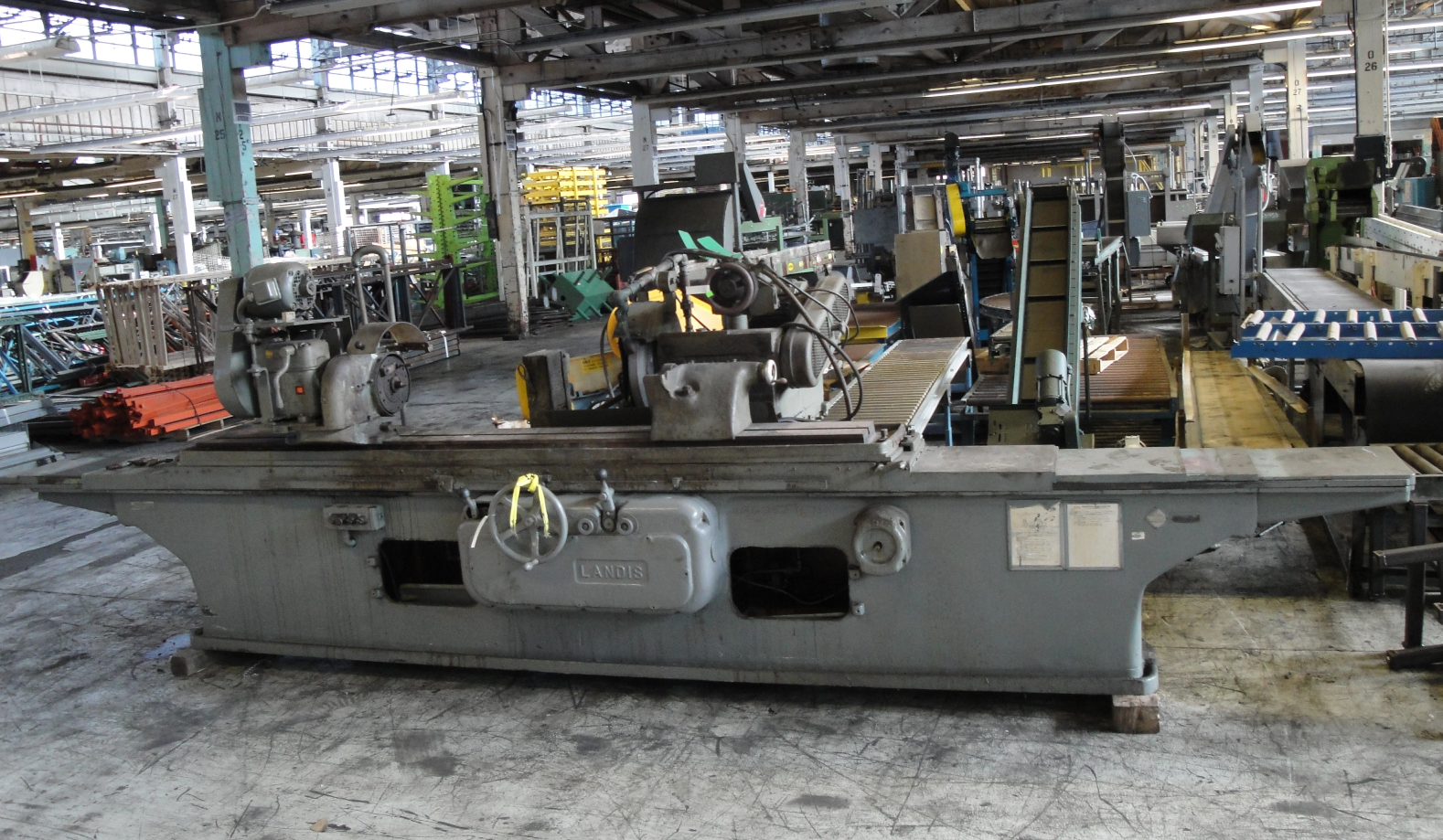
When Does CBN Make More Sense Than a Conventional Wheel?
Hardened steel and difficult steel grades
This is one of the strongest application angles. If the customer is grinding hardened steel, bearing steel, tool steel, or other demanding ferrous materials, CBN deserves serious consideration.
Tight profile retention requirements
If the process depends on wheel form holding and repeatability over long runs, CBN can be more attractive than a conventional wheel that needs frequent correction.
High-volume or repeat production
Where the buyer values consistency, longer wheel life, and fewer interruptions, CBN may create stronger overall process value even if the initial wheel price is higher.
Precision grinding with demanding finish or geometry stability
Some precision steel-grinding jobs move to CBN not just for cutting ability, but for process stability and predictability.
When Is a Conventional Alumina Wheel Still Better?
General steel grinding
Many ordinary steel jobs do not automatically need CBN. Conventional alumina-family wheels remain commercially sensible in a wide range of applications.
Lower-volume or flexible workshop production
If the shop runs mixed part types or lower batch volumes, a conventional wheel may offer enough performance with lower system complexity.
Cases where the real issue is not abrasive limit
If the problem actually comes from dressing, vibration, coolant, or wrong structure, switching to CBN may not solve the root cause.
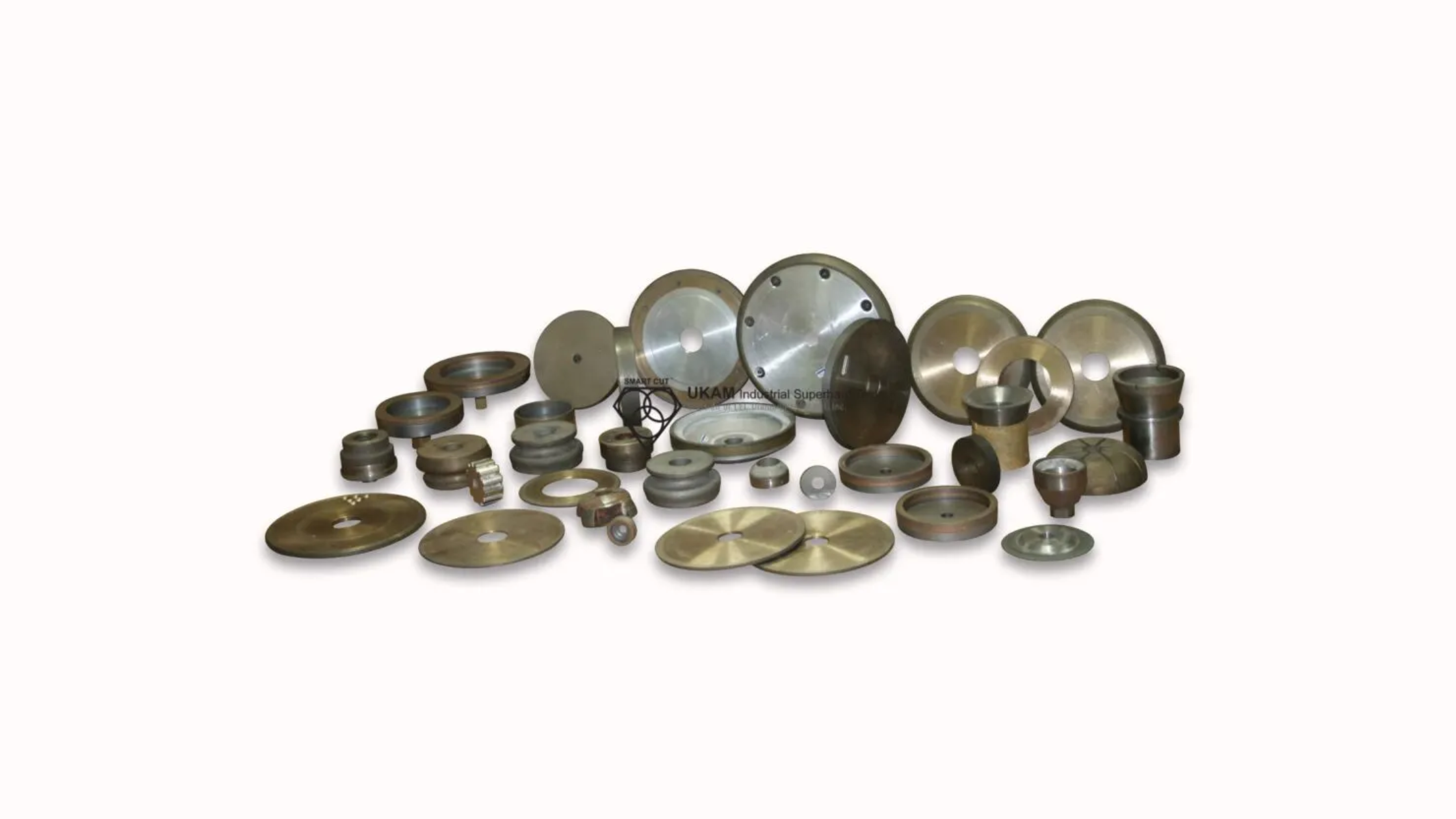
What Information Should Buyers Send Before Choosing CBN?
Zhongxin recommends that customers provide:
- workpiece steel grade and hardness condition
- machine type and grinding method
- current wheel route and current problem
- dressing method
- finish, tolerance, or profile-stability target
- batch size and consistency requirements
How Zhongxin Helps Compare CBN and Conventional Routes
Zhongxin takes a balanced route: many steel applications are still served well by alumina-family wheels, while CBN becomes more compelling as hardness, precision, and stability requirements rise. The goal is to avoid both under-specification and unnecessary over-specification.

Conclusion
Use CBN wheels in steel grinding when the application truly demands stronger form retention, longer run stability, and better performance on hardened or high-value steel components. For many routine steel jobs, a conventional alumina wheel is still the better commercial fit.
Need help deciding between CBN and conventional wheels for steel grinding?
- Website: https://shalun.net
- Email: root@shalun.net
- WhatsApp / Phone: +86 15538050608
发表回复