


Why Grinding Wheels Load Up: Causes, Warning Signs, and Practical Solutions
Learn why grinding wheels load up, what warning signs to watch for, and how to reduce loading through wheel structure, dressing, coolant, and process control.

Learn why grinding wheels load up, what warning signs to watch for, and how to reduce loading through wheel structure, dressing, coolant, and process control.

Learn how to choose a suitable grinding wheel for hardened steel shafts in cylindrical grinding, from vitrified alumina wheels to CBN routes, without compromising process stability or surface integrity.
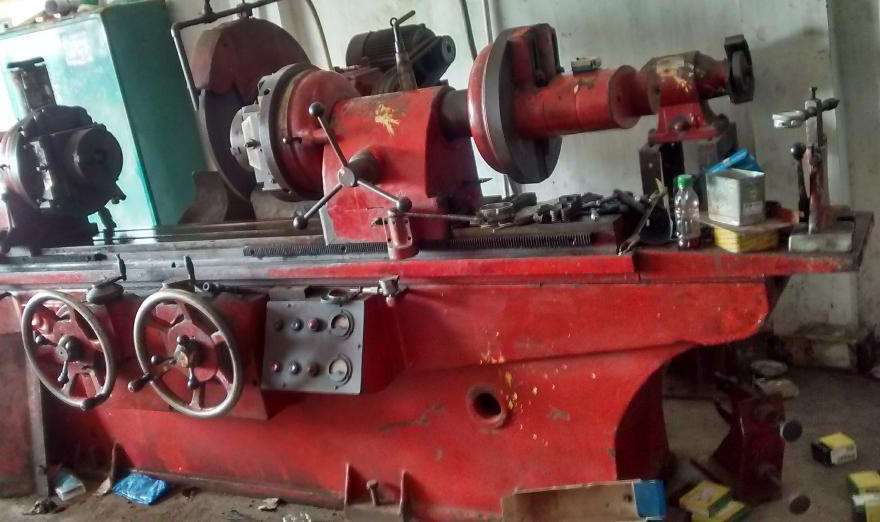
Compare Zhongxin’s vitrified WA + A route and diamond wheel route for automotive crankshaft grinding, with practical machine-process guidance for journal grinding buyers.
Common Grinding Defects and Solutions In high-speed CNC precision grinding, maintaining surface integrity is critical. Below are common defects like grinding burn and chatter marks, along with professional troubleshooting solutions. 1. Grinding Burn Phenomenon: Discoloration (blue/brown) on the workpiece surface, indicating thermal damage and reduced hardness. Causes & Solutions: Excessive feed rate: Reduce the depth […]
Why Choose Ceramic Bond Grinding Wheels? Ceramic bond (also known as vitrified bond) grinding wheels are highly sought after in the precision machining industry. They offer exceptional advantages for high-volume, automated production lines. Core Advantages High Porosity: Excellent chip clearance and coolant flow, minimizing the risk of grinding burn. Form Holding: Maintains sharp cutting edges […]