


Surface Grinding vs Cylindrical Grinding: What Is the Difference?
Grinding is not one single process. In metalworking, different grinding methods are used for different workpiece shapes, machine motions, and accuracy goals. Two of the most common routes are surface grinding and cylindrical grinding.
For overseas buyers, understanding the difference is important because wheel selection, dressing strategy, and process expectations all change with the grinding method. A request for a “grinding wheel” becomes much more useful when the process type is clearly defined.
What Is Surface Grinding?
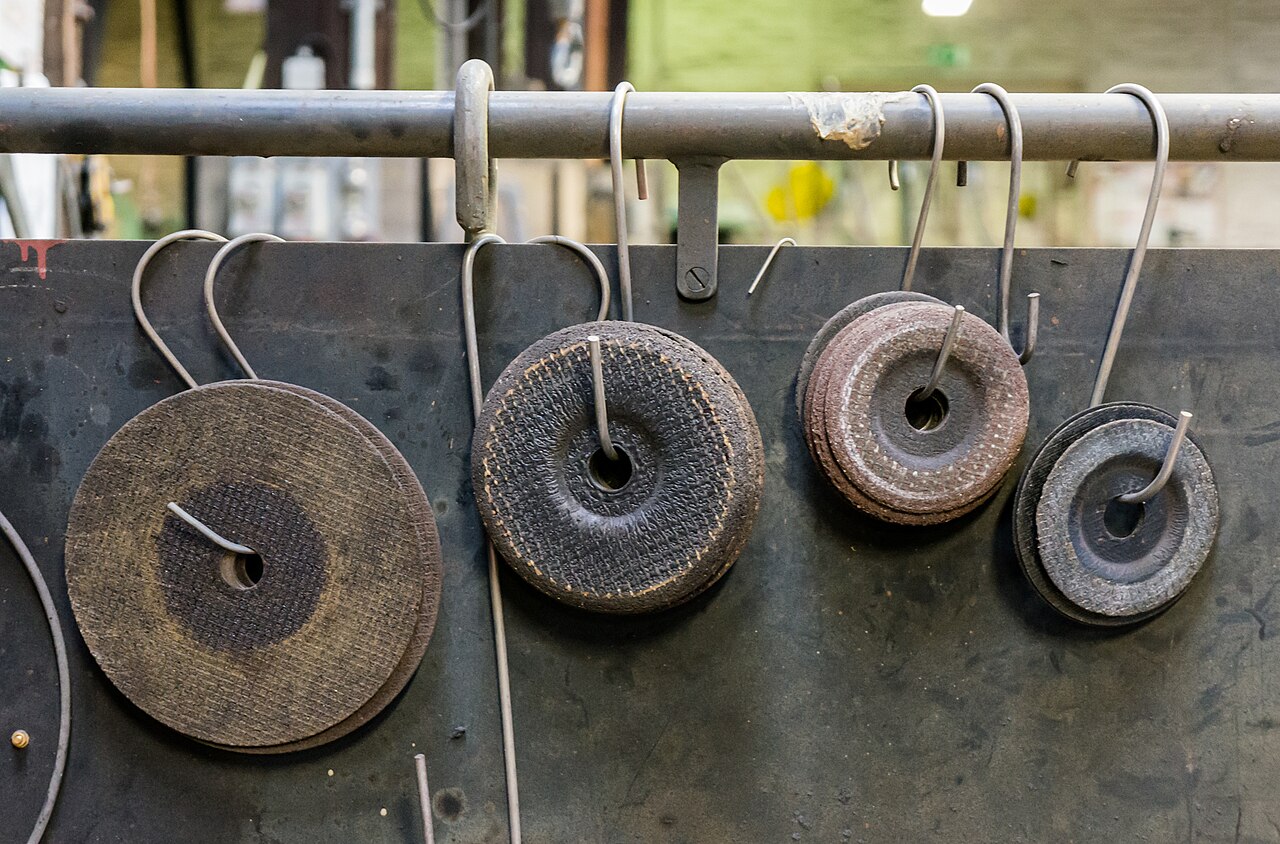
Surface grinding is mainly used to produce flat surfaces with controlled finish, flatness, and parallelism. It is commonly performed on a machine where the workpiece moves under a rotating wheel on a reciprocating or rotary table.
Main process goal
The purpose of surface grinding is to create a smooth and accurate flat face. It is often used for plates, blocks, tool components, and precision machine parts.
Typical machine setup
A surface grinder normally uses a horizontal or vertical spindle arrangement with a table that carries the part through the grinding zone. Contact conditions are usually broader than in cylindrical grinding, so heat management and wheel face condition matter a great deal.
Common wheel-selection concerns
When selecting a wheel for surface grinding, buyers usually focus on:
- Workpiece material
- Surface finish target
- Stock removal level
- Flatness requirement
- Dressing frequency
- Heat control and burn prevention
What Is Cylindrical Grinding?
Cylindrical grinding is used for round external or internal surfaces such as shafts, journals, sleeves, and bores. Instead of making a flat plane, it is designed to control diameter, roundness, concentricity, and surface quality on rotating workpieces.
Main process goal
The main goal is to grind parts with circular geometry while maintaining dimensional stability and precision.
Typical machine setup
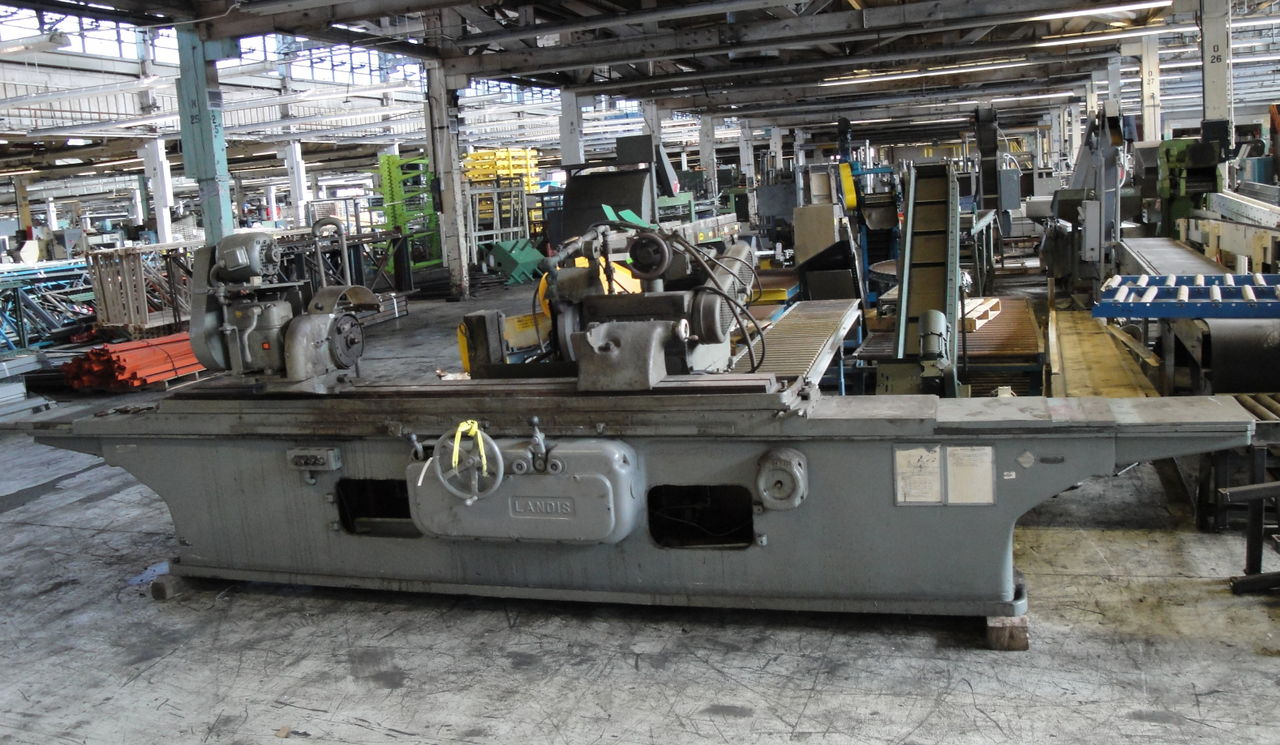
A cylindrical grinder usually rotates the workpiece while the wheel engages a narrower contact zone. Depending on the application, the process may involve external diameter grinding, internal grinding, plunge grinding, or traverse grinding.
Common wheel-selection concerns
For cylindrical grinding, buyers often pay close attention to:
- Roundness and size control
- Wheel form retention
- Thermal stability
- Contact-zone behavior
- Dressing consistency over long runs
Surface Grinding vs Cylindrical Grinding: Key Differences
Although both are grinding operations, the real difference comes from geometry, machine movement, and process behavior.
1. Workpiece geometry
- Surface grinding is for flat surfaces
- Cylindrical grinding is for round outer or inner surfaces
This is the first and most important distinction.
2. Machine movement and contact conditions
Surface grinding often involves table travel under a wheel face, while cylindrical grinding depends on controlled rotation of the workpiece and wheel engagement along a circular path. Because the contact pattern is different, heat generation and wheel wear can behave differently as well.
3. Accuracy focus
In surface grinding, buyers may prioritize flatness, parallelism, and surface finish. In cylindrical grinding, they may focus more on diameter consistency, roundness, concentricity, and profile stability.
4. Dressing and wheel behavior
Both processes require proper dressing, but the dressing objective may differ. Surface grinding often needs a wheel face that stays open and free-cutting across a flat contact area. Cylindrical grinding may emphasize form holding and repeatable performance over longer precision cycles.
How Does Wheel Selection Change Between the Two?
The grinding method changes the starting point for wheel selection.
Material and finish target
The material still matters, but the same material may need a different wheel route depending on whether the job is a flat-surface operation or a round-part operation.
Form retention and dressing needs
If the process depends heavily on profile stability, wheel hardness, bond behavior, and dressing intervals must be matched carefully. If the process requires a cooler and freer cutting action, wheel structure and porosity become more important.
Why application details matter in supplier communication
When contacting a grinding wheel supplier, buyers should not only say the material name. It is much better to provide:
- Grinding method
- Machine type
- Workpiece geometry
- Surface finish requirement
- Tolerance target
- Existing wheel specification if available
That information helps the supplier recommend a more suitable abrasive, bond, grade, and structure.
How Zhongxin Supports Both Process Routes
At Zhongxin, we support grinding wheel selection for both flat-surface and round-part grinding applications. If a buyer shares the machine type, workpiece material, dimensions, and quality target, we can help match a more suitable wheel route for production stability and finished-part quality.
Whether the process is surface grinding or cylindrical grinding, the correct starting point is not the wheel name alone. The correct starting point is the application context.
Conclusion
Surface grinding and cylindrical grinding are both essential precision processes, but they are used for different geometries and require different wheel-selection logic. Surface grinding is mainly for flat surfaces, while cylindrical grinding is for round external or internal features.
If you want a more accurate grinding wheel recommendation, send Zhongxin your material, machine type, part shape, and process goal. We can help you choose a wheel solution that better fits your grinding route.
Need a grinding wheel recommendation?
- Website: https://shalun.net
- Email: root@shalun.net
- WhatsApp / Phone: +86 15538050608