








โซลูชันล้อเจียรสำหรับชิ้นส่วนโลหะผสมนิกเกิล
Learn how to choose grinding wheel solutions for nickel-based alloy components, including abrasive type, bond, porosity, profile control, coolant access, and burn reduction for superalloy grinding.
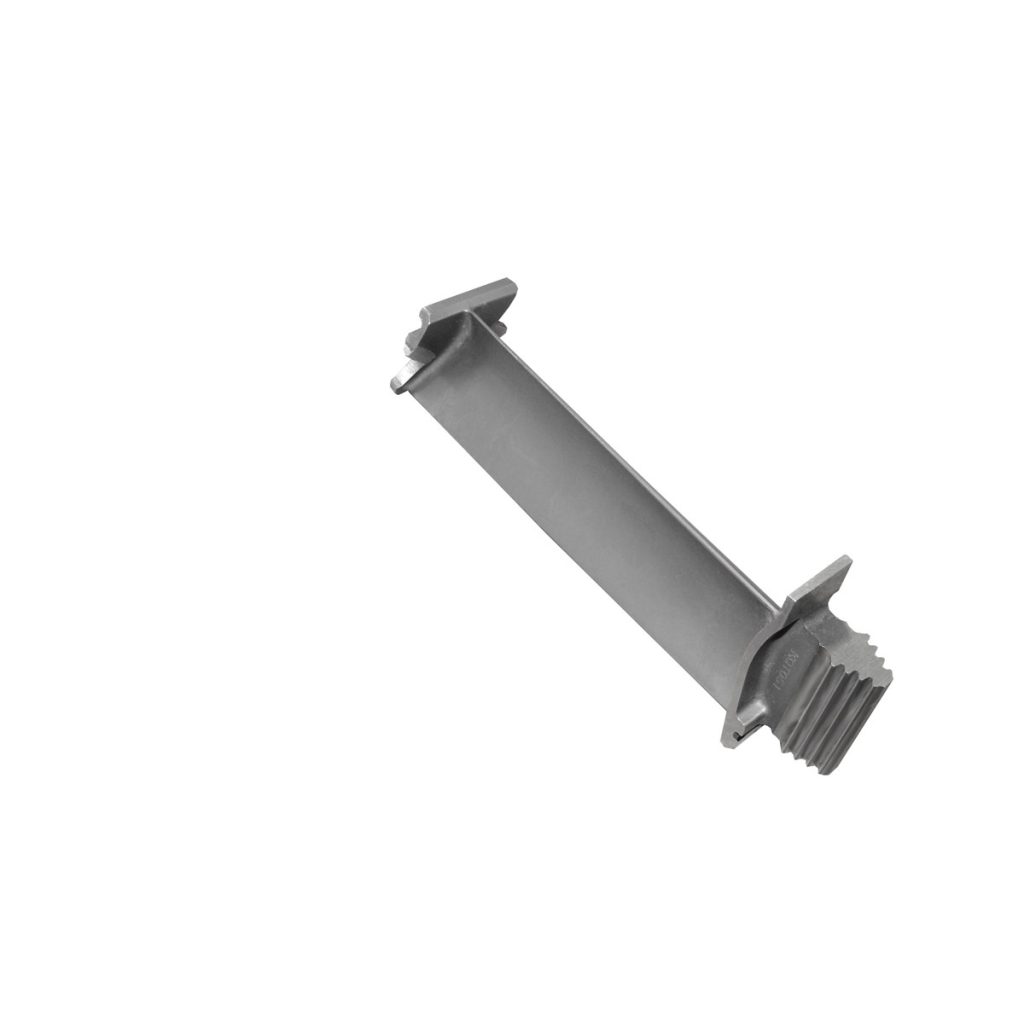
Learn how to choose grinding wheel solutions for nickel-based alloy components, including abrasive type, bond, porosity, profile control, coolant access, and burn reduction for superalloy grinding.
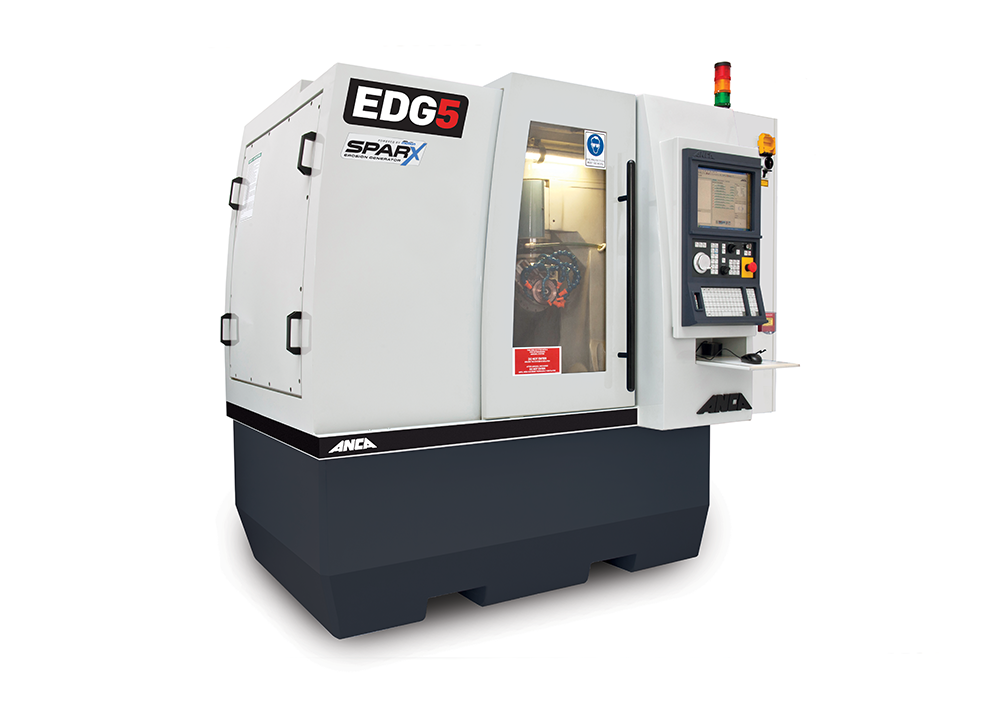
Learn how to choose grinding wheels for carbide tool sharpening based on tool type, bond route, machine condition, and edge-quality goals.
Railway axle and wheelset maintenance is a demanding application because the parts are heavy, safety-critical, and expected to deliver consistent service life under repeated rolling contact. In wheelset workshops, grinding and reprofiling work must balance dimensional recovery, surface quality, thermal control, and production efficiency. For this reason, grinding wheel selection should not be reduced to […]
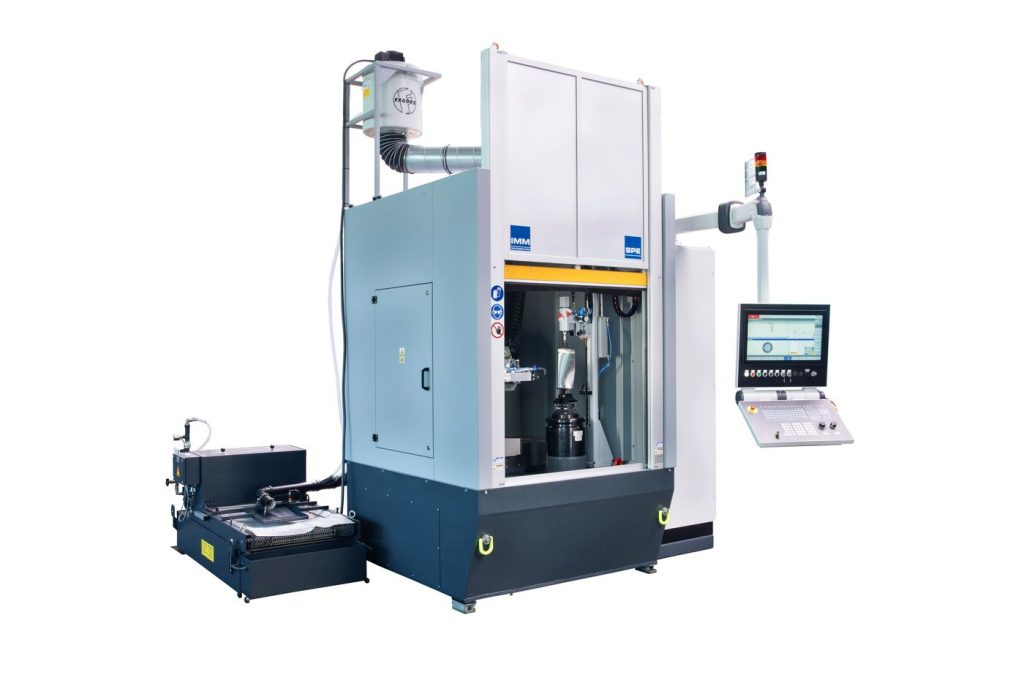
Learn how to choose grinding wheels for turbine blade root grinding, including ceramic alumina, vitrified bond, profile retention, thermal control, and surface integrity in nickel-based superalloy applications.
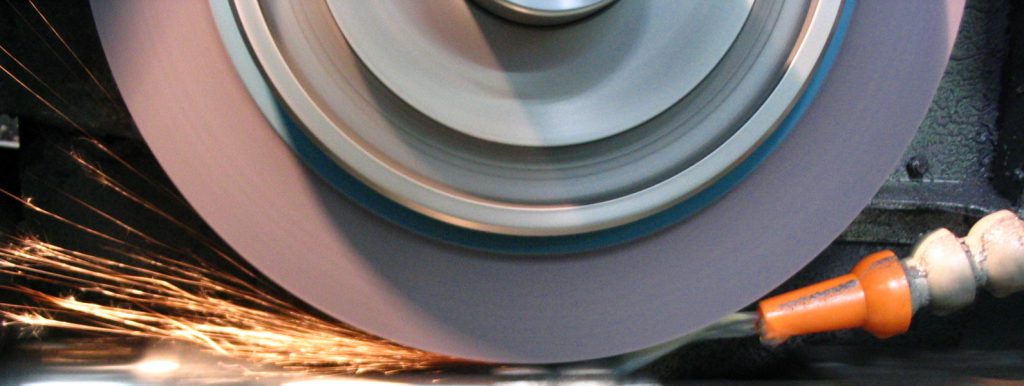
How to Prevent Chatter Marks in Cylindrical Grinding Chatter marks in cylindrical grinding are frustrating because they can look like a wheel problem, a machine problem, or both. In practice, chatter is usually not caused by one factor alone. It often comes from a combination of wheel condition, machine stability, workpiece support, and process consistency. […]
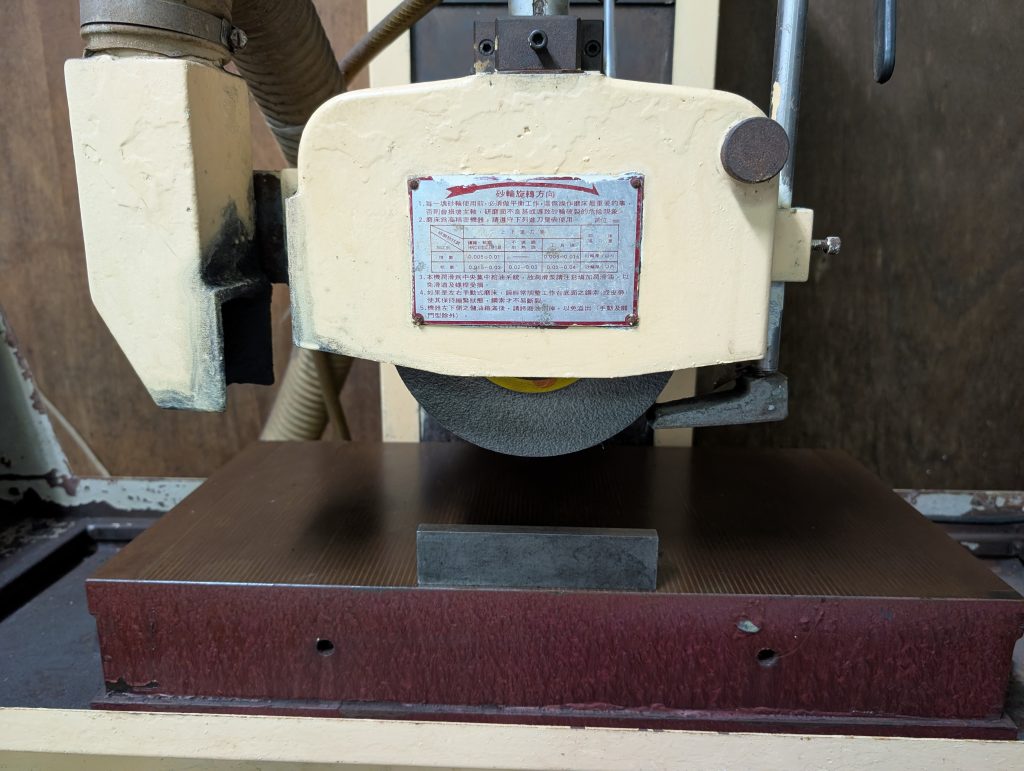
Learn how to choose grinding wheels for aluminum, copper, brass, and other soft non-ferrous metals, with a focus on open structure and anti-loading performance.
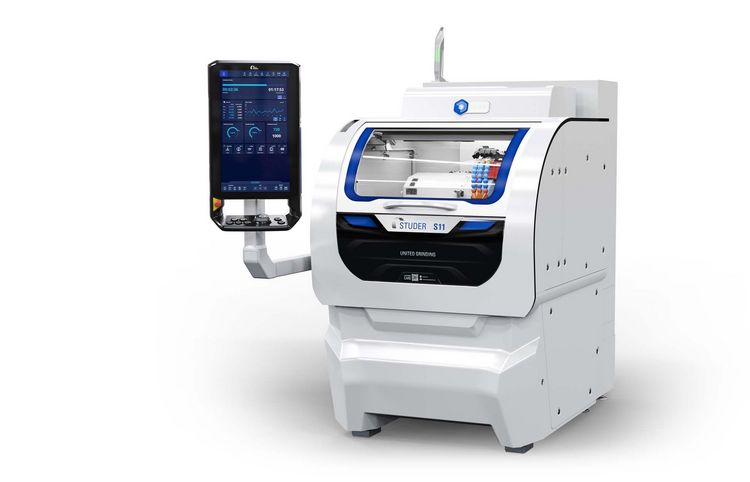
In grinding, coolant is often discussed as if the fluid itself determines the result. In reality, coolant can only help the wheel if it reaches the grinding zone effectively. If the delivery path is poorly aimed, weak, unstable, or unable to enter the contact area, grinding wheel life can fall much faster than expected. This […]
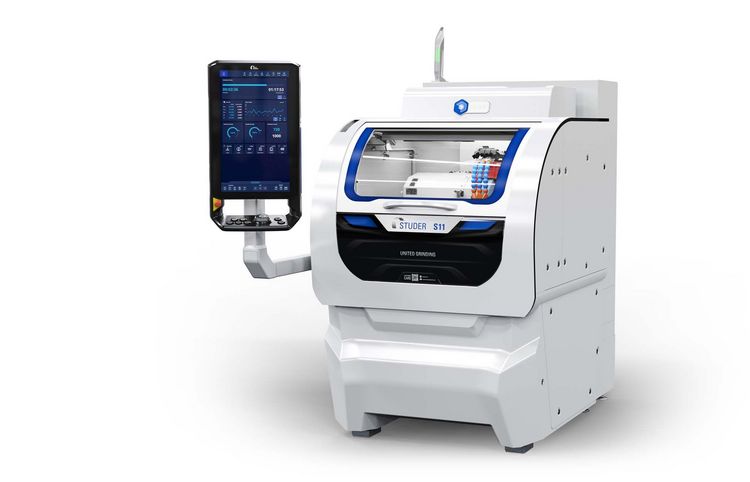
Learn when vitrified CBN wheels make sense in precision steel grinding, how they compare with conventional vitrified wheels, and what buyers should evaluate before choosing a wheel route.
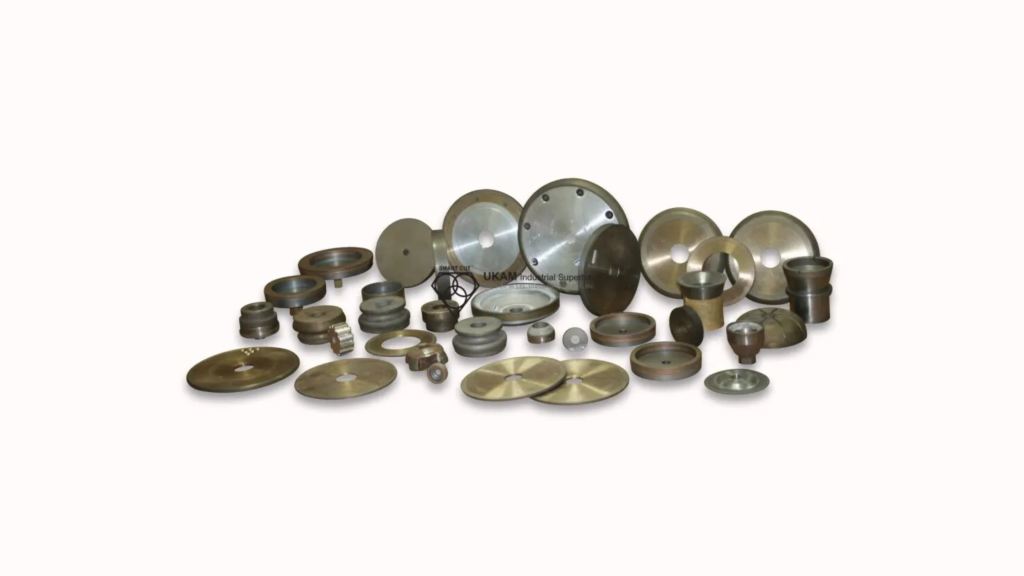
Learn how to match grinding wheel abrasive type to steel, stainless steel, cast iron, non-ferrous metals, carbide, and ceramics. A practical guide to aluminum oxide, silicon carbide, CBN, and diamond selection.
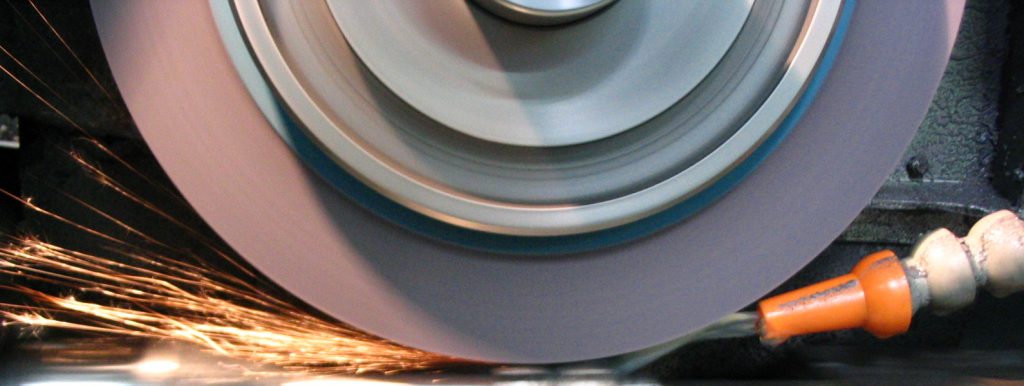
Learn how grinding wheel porosity helps improve chip space, reduce loading, support coolant access, and promote cooler cutting in machine grinding applications.