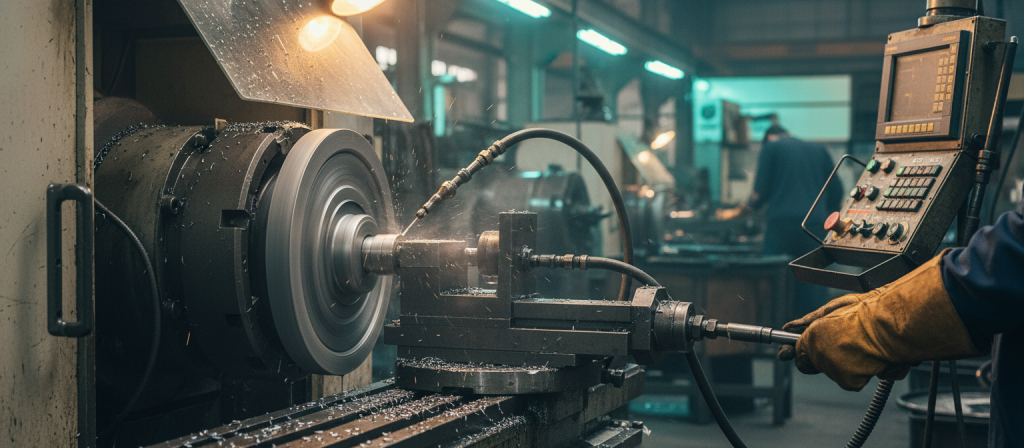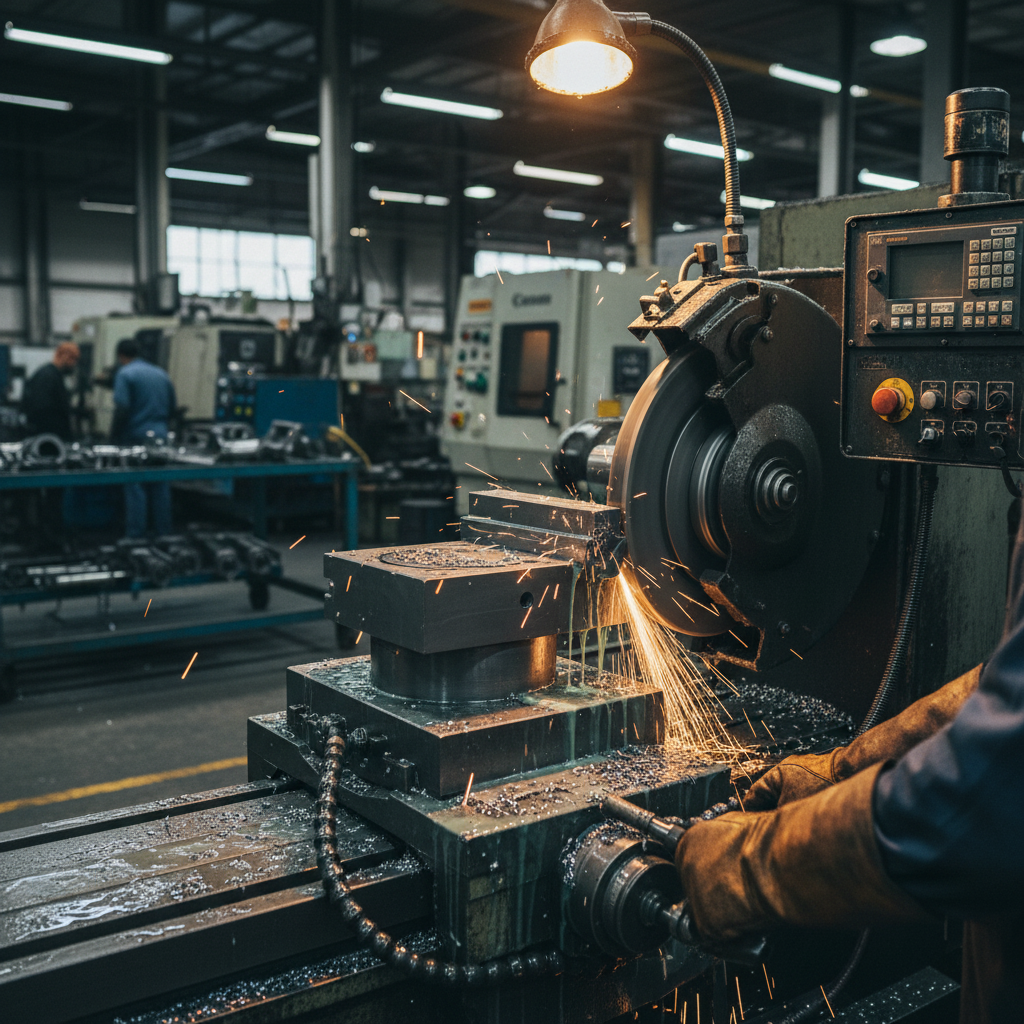




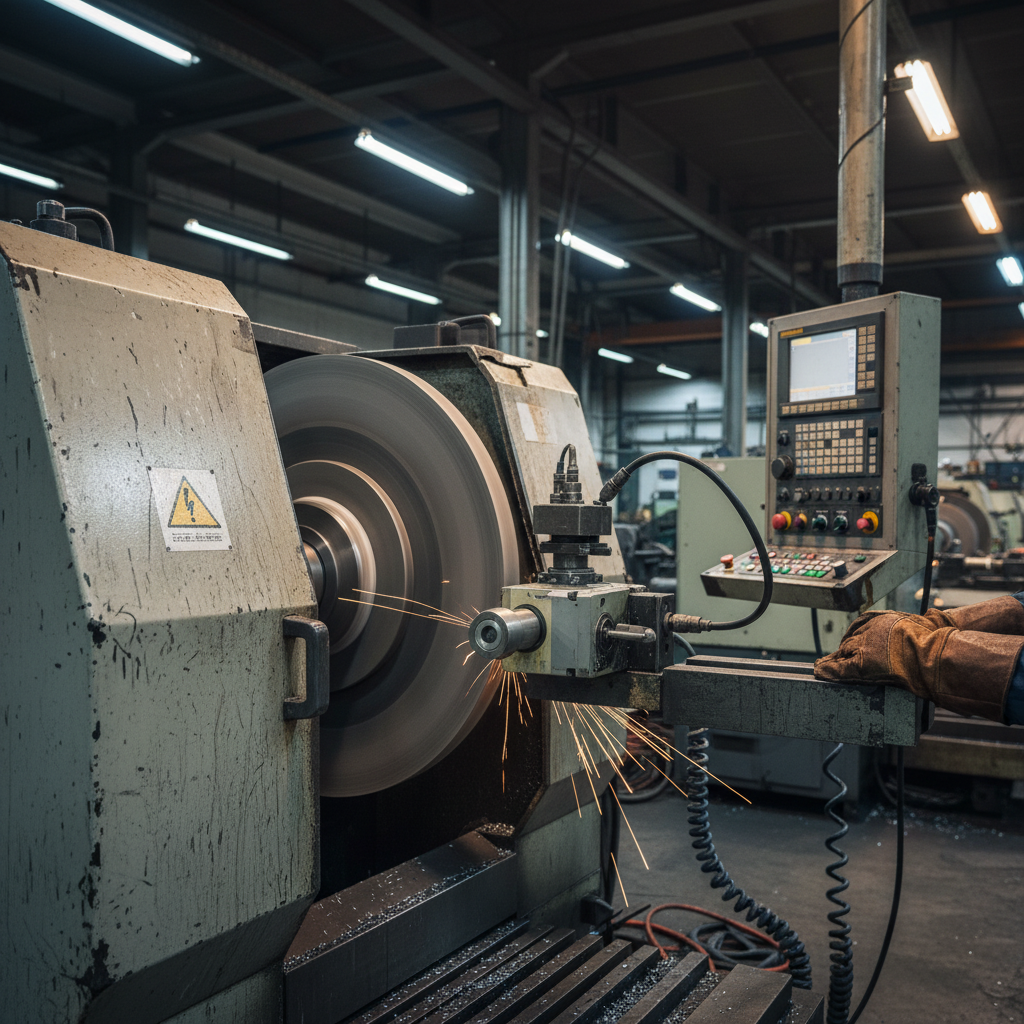
ป้ายกำกับ: ล้อโครงสร้างเปิด

Preventing Grinding Burn: G2.5 Balance and Dressing Speed Ratios for Open-Structure Wheels

In high-precision aerospace and gas turbine manufacturing, grinding nickel-based superalloys like Inconel 718 and Hastelloy presents an extreme metallurgical challenge. These materials are engineered to maintain exceptional mechanical strength at elevated temperatures, but their low thermal conductivity (approximately 11 W/m·K) and high ductility make them highly susceptible to work hardening and grinding burn. When grinding […]
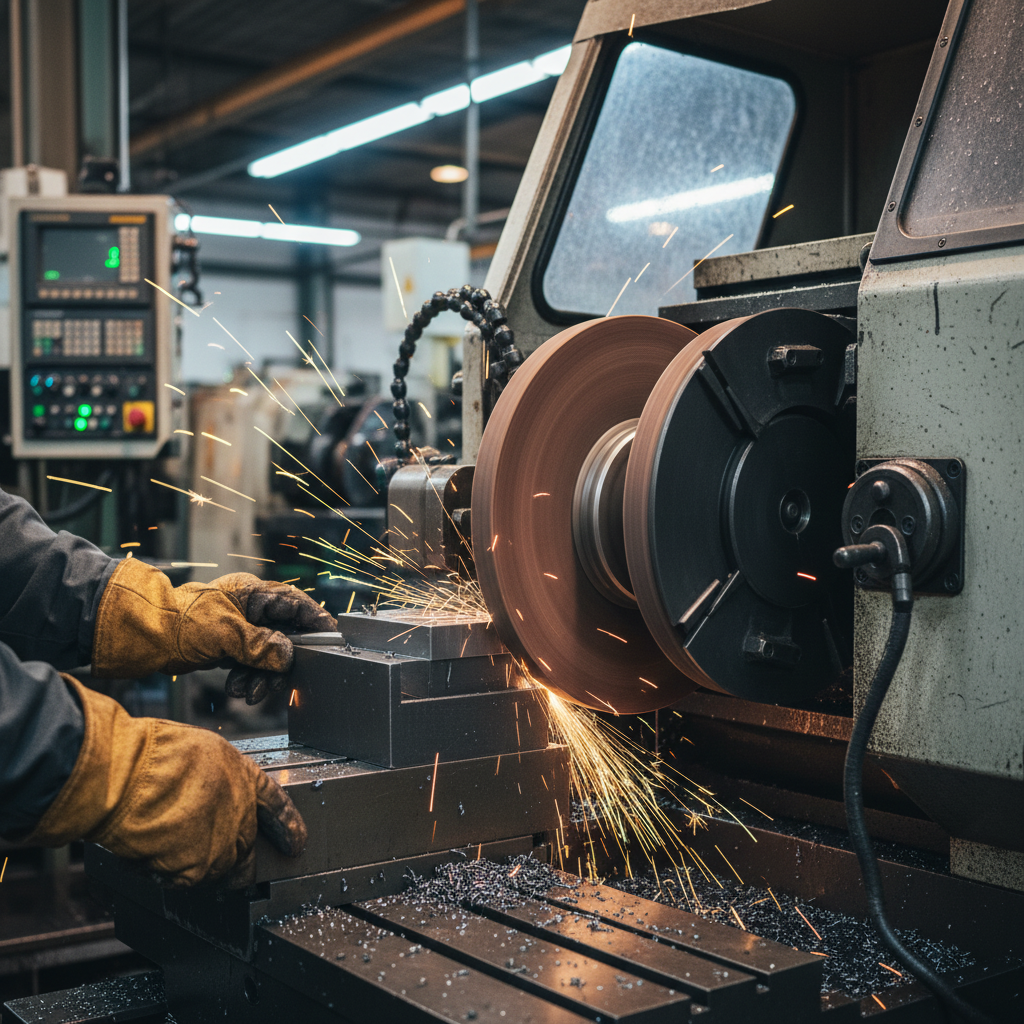
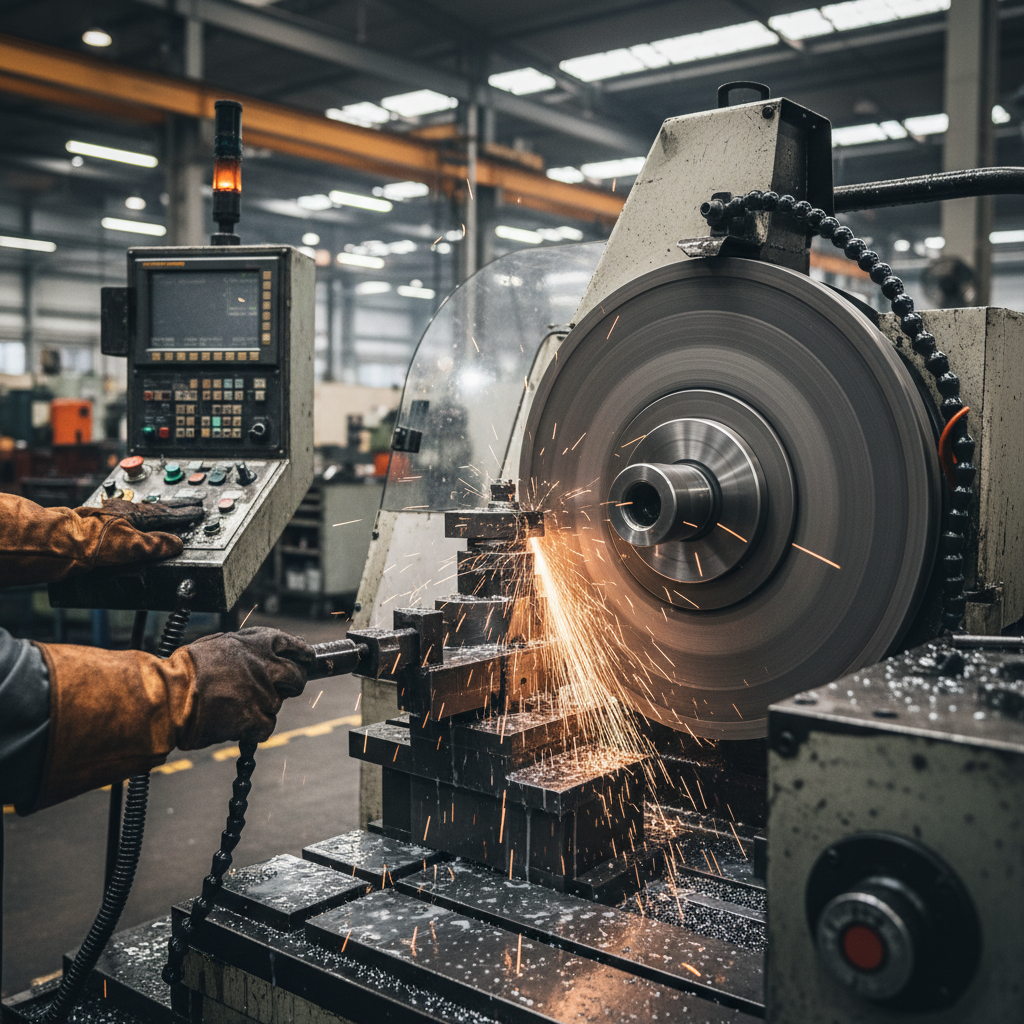
Preventing Micro-Cracks in HSS Tool Grinding: The Open-Structure Wheel Solution

In the high-precision world of cutting tool manufacturing and resharpening, High-Speed Steel (HSS) remains an indispensable material. Renowned for its exceptional toughness, wear resistance, and ability to retain hardness at elevated temperatures, HSS is the material of choice for complex geometries such as hobs, broaches, tap drills, end mills, and custom profile cutters. However, these […]

การหลีกเลี่ยงการแข็งตัวของวัสดุใน Hastelloy และ Inconel: เหตุใดล้อเจียรแบบโครงสร้างเปิดจึงมีความสำคัญอย่างยิ่ง

Avoiding Work Hardening in Hastelloy and Inconel: Why Open-Structure Grinding Wheels are Critical In high-precision aerospace, chemical processing, and power generation manufacturing, nickel-based superalloys like Inconel (e.g., Inconel 718, Inconel 625) and Hastelloy (e.g., Hastelloy C-276, Hastelloy B-3) are indispensable. Renowned for their exceptional high-temperature strength, corrosion resistance, and oxidation resistance, these materials are also […]

การควบคุมแรงตั้งฉากในการเจียร PCBN: ข้อดีของล้อเจียรแบบโครงสร้างเปิด

Controlling Normal Forces in PCBN Grinding: The Open-Structure Wheel Advantage In the high-precision world of superhard cutting tool manufacturing, Polycrystalline Cubic Boron Nitride (PCBN) stands as the material of choice for machining hardened steels, cast irons, and superalloys. However, the very characteristics that make PCBN exceptional—extreme hardness, high abrasive wear resistance, and thermal stability—render it […]

วิธีการแก้ไขปัญหาการโก่งงอในการเจียรไทเทเนียมด้วยล้อเจียรแบบโครงสร้างเปิด

How to Eliminate Taper Issues in Titanium Grinding with Open-Structure Wheels Precision grinding of titanium alloys (such as Ti-6Al-4V, Grade 5, and various beta-phase formulations) represents one of the most challenging frontiers in modern aerospace, medical device, and military manufacturing. While titanium offers an exceptional strength-to-weight ratio, outstanding corrosion resistance, and biocompatibility, its physical and […]

การเจียร Waspaloy แบบป้อนช้า: ล้อเจียรแบบโครงสร้างเปิดช่วยป้องกันความเสียหายจากความร้อนได้อย่างไร

Creep-Feed Grinding Waspaloy: How Open-Structure Wheels Prevent Thermal Damage In the aerospace and power generation industries, Waspaloy is highly valued for its exceptional strength, corrosion resistance, and stability at temperatures reaching up to 870°C (1600°F). However, the very characteristics that make this nickel-based superalloy indispensable for turbine blades, shafts, and compressor discs also make it […]

การเพิ่มประสิทธิภาพการเจียรเย็น: สารขัดเซรามิกในล้อเจียรโครงสร้างเปิด

การเจียรละเอียดของวัสดุทางวิศวกรรมขั้นสูงถือเป็นหนึ่งในสภาพแวดล้อมทางความร้อนที่รุนแรงที่สุดในกระบวนการผลิตสมัยใหม่ โลหะผสมนิกเกิลเกรดอากาศยาน โลหะผสมไทเทเนียมความแข็งแรงสูง และเซรามิกทางเทคนิค มีคุณสมบัติทางกายภาพที่ทำให้เป็นที่ต้องการอย่างมากสำหรับการใช้งานในสภาวะสุดขั้ว แต่คุณสมบัติเหล่านี้ก็ทำให้การเจียรวัสดุเหล่านี้เป็นเรื่องยากอย่างยิ่งเช่นกัน ความไวต่อความร้อนสูง การนำความร้อนต่ำ และสภาวะสุดขั้ว […]

การแก้ปัญหาการขาดแคลนสารหล่อเย็นในการเจียรความเร็วสูง: ล้อเจียรแบบโครงสร้างเปิดและแผ่นกั้น

High-speed grinding is an essential process in modern precision manufacturing. It allows shops to achieve high material removal rates and superior surface finishes. However, as wheel speeds exceed 30 m/s and push up to 120 m/s, a persistent and destructive phenomenon occurs. This is the formation of a high-pressure air boundary layer around the rotating […]

วิธีการผสานแผ่นกั้นตามหลักอากาศพลศาสตร์และล้อเจียรโครงสร้างเปิดสำหรับการเจียรอลูมิเนียม

Grinding ductile non-ferrous metals like aluminum presents severe technical challenges that differ fundamentally from grinding high-strength steels or hard alloys. Aluminum is characterized by its high ductility, low hardness, and a relatively low melting point of approximately 660 degrees Celsius. During the grinding process, the extreme shear strains and localized friction at the tool-workpiece interface […]

การแก้ไขปัญหารอยไหม้จากการเจียร: การซ่อมแซมรอยไหม้จากล้อเจียรแบบโครงสร้างเปิด

Precision grinding is often the final and most critical stage in high-value manufacturing. When grinding critical components like bearing raceways, gear profiles, or aerospace turbine shafts, surface integrity is non-negotiable. Yet, operators on the shop floor frequently encounter a devastating defect: thermal damage, commonly known as grinding burns. These burns represent more than a cosmetic […]